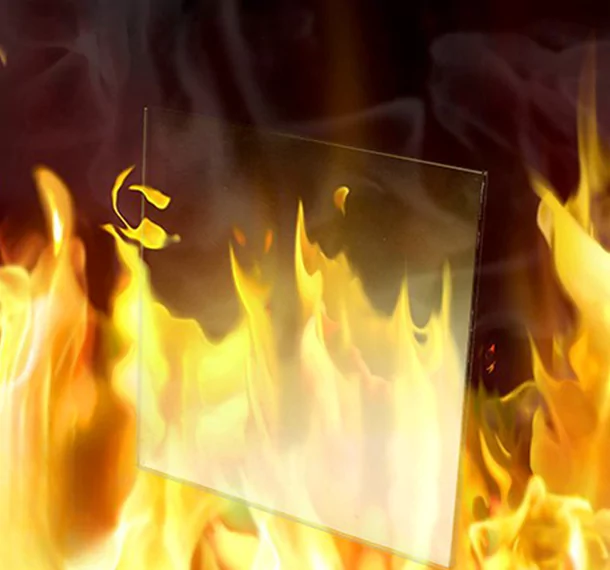
SINGLE LAYER FIRE-RATED GLASS
Learn more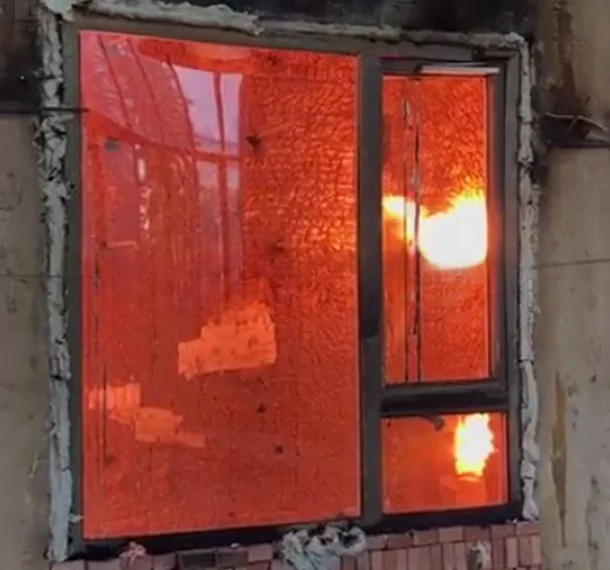
DOUBLE LAYERS FIRE-RATED GLASS
Learn more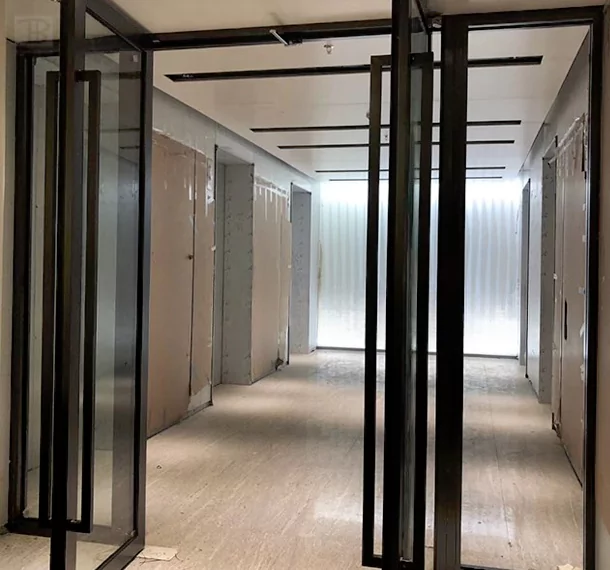
FIREPROOF GLAZING WINDOWS AND DOORS
Learn more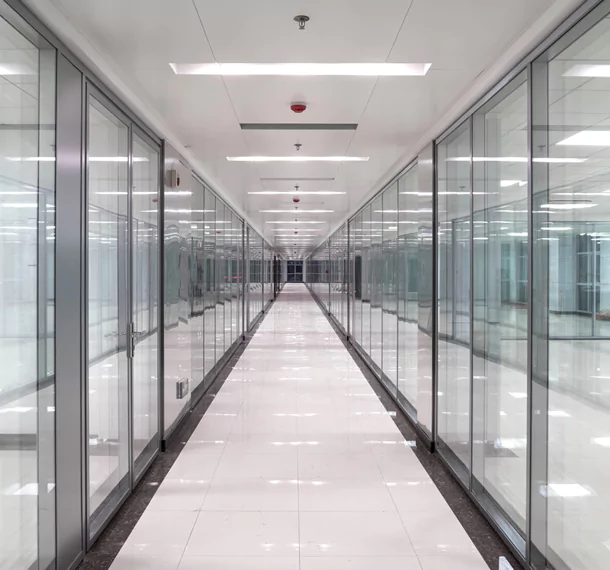
In the world of architecture and design, safety is paramount. as we strive to create spaces that not only inspire but also protect, fire rated glass emerges as a remarkable solution. this innovative material combines functionality with aesthetic appeal, ensuring that our environments are both beautiful and secure. let’s explore the various aspects of fire rated glass, from its types and ratings to its benefits and applications across industries in Armenia.
Fire rated glass comes in several varieties, each designed to meet specific safety requirements while enhancing the overall design of a space. the most common types include tempered glass, laminated glass, and ceramic glass. each type serves a unique purpose:
1. tempered glass: known for its strength and durability, tempered fire rated glass can withstand high temperatures without shattering. it is often used in locations where safety is critical but visibility is also desired.
2. laminated glass: this type consists of multiple layers bonded together with an interlayer that provides additional protection against heat and flames. laminated fire rated glass not only offers excellent fire resistance but also enhances sound insulation in Armenia.
3. ceramic glass: with exceptional thermal stability, ceramic fire rated glass can endure extreme heat without compromising structural integrity or clarity. it is ideal for use in areas requiring high levels of transparency alongside robust fire protection.
By these options, architects and builders can make informed decisions tailored to their specific needs while ensuring compliance with safety regulations.
When selecting fire rated glass for your project, it’s essential to grasp the significance of e ratings (integrity), ew ratings (integrity + radiation), and EI ratings (integrity + insulation). these classifications reflect how well the material performs under fire conditions:
- e ratings: this rating indicates that the glass maintains its integrity during a fire by preventing flames or smoke from passing through.
- ew ratings: in addition to maintaining integrity like e-rated products, ew-rated glasses limit radiant heat transfer—an essential feature when designing spaces where heat exposure could pose risks.
- EI ratings: these provide both integrity and insulation properties; they prevent flames from penetrating while minimizing temperature rise on the non-fire side—a critical factor in protecting adjacent areas during a blaze.
These testing standards allows professionals to choose materials that meet building codes while providing optimal protection against potential hazards.
The advantages of incorporating fire rated glass into construction projects extend beyond mere compliance with regulations:
1. fire resistance benefits: the primary function of this specialized glazing is its ability to withstand heat for extended periods—buying time for evacuation during emergencies.
2. aesthetic appeal: gone are the days when safety meant sacrificing style! modern advancements have enabled manufacturers to create sleek designs that blend seamlessly into any architectural vision—from contemporary office buildings to luxury homes.
3. energy efficiency advantages: many types of fire rated glass come equipped with energy-efficient coatings that reduce heat loss while allowing natural light into spaces; thus lowering reliance on artificial lighting throughout the day.
4. sound insulation properties: beyond their protective qualities against fires, certain varieties offer excellent acoustic performance—creating tranquil environments conducive to productivity or relaxation amidst bustling surroundings.
These benefits highlight why integrating fire rated glass should be considered an investment rather than merely an expense within construction budgets—a choice leading toward safer yet stylish living environments!
As diverse as our built environment itself are the applications where you’ll find this remarkable material at work:
- commercial spaces: in offices or retail settings where open layouts promote collaboration yet require separation between departments without compromising visibility—fire-rated partitions made from elegant glazing solutions serve dual purposes effectively!
- healthcare facilities: hospitals benefit greatly from using these materials around patient rooms or emergency exits; they ensure safe egress routes while allowing natural light into otherwise sterile settings promoting healing atmospheres.
- educational institutions: schools utilize them extensively due largely because they allow maximum daylight penetration—which has been shown repeatedly over studies—to enhance student focus whilst providing robust barriers against unwanted incidents occurring on campus grounds!
Embracing innovative solutions like fire-rated-glass fosters safer communities enriched by thoughtful design principles! by understanding your options regarding types & ratings along with appreciating their numerous benefits & applications across industries—you’re empowered not just as builders but as creators shaping tomorrow’s landscapes today!
Fill the form below to get in touch with us.
Fireproof glass plays an integral part in increasing infrastructure safety by providing protection.
Fireproof rooms are specifically constructed to contain fire for an extended period, enabling occupants to evacuate safely.
Fire-rated glass has an added advantage of maintaining transparency, keeping the environment clear in emergency situations and helping find exits more quickly.
Fire-rated glass comes in various types and thicknesses to meet specific building codes and regulations, making it suitable for windows, doors, walls, ceilings and even roofs. It often forms part of robust fire-resistive barriers on such applications such as windows or walls that prevent fire spread from the outdoors.
Fire-rated glass adds both safety and aesthetic value to structures.
Intumescent Glass: Safeguarding Structures from Flame
Fire resistant glass serves as a vital defense against the dangers of fire. Constructed using specific materials, fire resistant glass has the capability to withstand intense heat without spreading to surrounding areas - an invaluable asset in building facades, public spaces and residential structures alike. By mitigating fire's effects and helping save lives and infrastructure.
Protective Glass against Fire & Thermal Damage
Fire protection glass is an integral element in building design, serving as an invaluable defense against the spread of fire and heat. Constructed from advanced materials, fireproof glass offers exceptional resistance against thermal stress while simultaneously helping contain fires preventing rapid spread and providing precious time for safe evacuation of its occupants.
Fire protection glass is widely utilized in applications including partitions to divide areas within a building, fireproof doors and windows in fire-prone structures, as well as doors separating individual rooms within the same structure.
As this material can withstand high temperatures, it maintains its structural integrity under extreme conditions - helping prevent collapse of key building components.
Fireproof glass not only offers fire resistance, but can also offer soundproofing and security benefits, making it a versatile material choice for many architectural designs.
Enhance Security through Thermal Resistance
Security in today's world is of utmost importance, protecting structures from various threats - fire chief among them - so offering robust thermal resistance protection, anti-fire glass offers an exceptional solution by providing robust thermal resistance. Specifically designed to withstand extreme temperatures without melting under its intense heat source and spreading flames further, anti-fire glass serves as a vital barrier against potential fire hazards and keeps occupants safe. With its ability to contain heat transfer effectively insulating buildings from potential fire hazards while safeguarding important assets while providing robust thermal resistance properties against fire hazards that is both safety and asset preservation.
Unbreakable by Fire: The Benefits of Fire-Rated Glass
Modern society places immense value on safety. Materials must not only look pleasing, but be durable enough to withstand potential dangers. One effective solution that provides unparalleled protection from flame is fireproof glass - specifically engineered to remain intact even under intense heat exposure.
Fire-rated glass offers additional benefits beyond its fire resistance; it serves to stop the spread of fire while adding aesthetic beauty to any building.
As it can maintain transparency even under extreme temperatures, glass is an ideal choice for architects seeking both style and function in one material.
Fire-rated glass can be an essential addition to any construction project, providing both safety and elegance. Discover its advantages today and witness its strength against nature's unpredictable forces!
Fire has long been both beautiful and deadly. Now we can harness its power while being protected from its dangers with heat-resistant glass - an extraordinary material which stands up against intense temperatures to provide us with a valuable shield from flames and embers.
Fire-resistant glass's secret lies in its extraordinary composition and structure. Fireproof glasses usually combine layers of regular glass with special composites designed to act as heat insulators; polymeric interlayers act to trap any heat generated within the glass itself, thus preventing it from radiating outward.
Fire-resistant glass is designed to withstand intense pressure changes caused by sudden temperature shifts, guaranteeing its structural integrity even under harshest circumstances.
Safeguarding Lives and Property: The Role of Fire Protection Glass Rapid heat transfer poses an imminent risk to both people and property during an outbreak of fire, necessitating swift action to mitigate its destructive potential. Fireproof glass windows have been specially developed to tolerate extreme temperatures, effectively slowing flame spread while providing an extra barrier of defense to ensure everyone's safety. By creating this layer of defense, fire protection glass gives occupants valuable time to evacuate safely while protecting surrounding structures from further harm.
Fireproof glass helps limit the spread of flames and smoke while also offering clear views in even extreme situations. Such windows significantly increase overall fire safety within buildings, homes, and facilities.
Integrating fire protection glass into building designs makes a significant contribution toward creating safer environments for everyone.
Flame Retardant Glass as Architectural Solutions for Fire Safety
Flame retardant glass has quickly become a valuable addition to the architectural world as an essential component for fire safety. Boasting special properties to control flame spread and lower heat transmission rates, flame retardant glass offers essential protection during fires. Architects frequently specify flame retardant glass in various applications like windows, doors, partitions and facades.
Flame retardant glass offers numerous benefits to both residents and buildings, including helping contain flames from spreading rapidly, giving occupants time to evacuate safely, as well as minimizing heat transfer - which protects structural integrity while decreasing damages to assets.
Flame retardant glass serves architects in their mission of designing fire-resistant buildings that prioritise occupant safety and wellbeing.
Building Codes and Fire Protection Glass: Adherence to Industry Standards
Projects of all kinds must abide by stringent building codes designed to safeguard occupant safety. These specifications include fire protection measures such as using fireproof glass in mitigating fire spread. Choosing fireproof glass that meets industry standards is of utmost importance in order to avoid delays, penalties, or jeopardizing public safety if any fire hazards should arise during your project.
Industry standards often set minimum fire resistance ratings for glazing materials depending on a building's occupancy and usage. Certified testing laboratories validate fire protection glass to ensure it fulfills these performance criteria.
Consult qualified architects, engineers or fire safety consultants in order to identify the appropriate type of fireproof glass for your specific project needs.
Fire-resistant glass has become an indispensable element of modern construction, providing extra heat protection and offering versatility across architectural applications. While it was originally utilized only for windows of high-rise buildings and industrial facilities, its use has since expanded considerably and now encompasses all manner of building needs.
Fire-resistant glass is an indispensable material for architects, engineers and builders looking to create safe environments. From protecting commercial spaces to serving as fire barriers in residential structures, its versatility has become essential in creating safe spaces.
Fire-resistant glass stands out by its ability to transmit light while resisting heat, making it suitable for applications such as skylights and partitions. Furthermore, its strength enables it to withstand impact from vandalism as well as theft for increased overall security.
As more stringent building codes take effect, fire-resistant glass should continue to see increased usage across various sectors, including transportation, education, and healthcare. Demand should only increase.
Finding the Right Fire-Rated Glass: A Guide for Architects and Builders
Fire safety remains of utmost importance in modern construction, so architects and builders must select fireproof glass that protects both people and property against fire risks. Fire-resistant glazing provides essential defense against flame spread and heat transfer - when selecting fire-rated glass Armenia es it is crucial to assess multiple variables, including fire rating requirements, material type options available and intended application purposes before selecting suitable options.
Understanding Fire Ratings: Fire ratings indicate how long a product can withstand flame-like conditions for. They are usually measured in hours.
Selecting a Type of Fire-Rated Glass: There are various kinds of fireproof glass available to choose from, including wired, tempered and laminated varieties. Each kind provides different degrees of fire resistance.
Assessing Application Requirements: Depending on its intended application, fire-rated glass Armenia requires different characteristics and ratings than would otherwise be suitable. For instance, escape routes typically need higher ratings than nonload-bearing walls.
Complying with building codes and standards is of utmost importance, and architects and builders must consult the relevant building codes in their area to make sure the fireproof glass chosen meets all necessary specifications.
When it comes to fire-rated glass Armenia , showcasing successful projects can highlight the effectiveness and versatility of this specialized material. Let's delve into three noteworthy projects where fire-rated glass Armenia was skillfully incorporated as glass doors or glass walls, emphasizing their impact and significance:
1. Project Name: Sustainable Office Design
- Description: In this project, fire-rated glass was seamlessly integrated as glass doors throughout the office space. The transparent nature of the fire-rated glass not only enhanced natural light distribution but also promoted a sense of openness and connectivity within the workspace in Armenia.
- Effects: The use of fire-rated glass doors not only met safety requirements but also contributed to a modern aesthetic, creating a functional and visually appealing environment for employees.
2. Project Name: Contemporary Retail Store
- Description: Fire-rated glass walls were strategically utilized in this retail store project to delineate different sections while maintaining visual continuity. The sleek design of the fire-rated glass walls added a touch of sophistication to the overall ambiance.
- Effects: By incorporating fire-rated glass walls, the store achieved both safety compliance and an elegant aesthetic appeal, attracting customers while ensuring structural integrity.
3. Project Name: Residential Renovation
- Description: As part of a residential renovation project, fire-rated glass doors were installed in key areas to enhance spatial flow and provide an element of modernity. The use of frosted fire-rated glass offered privacy without compromising on natural light penetration.
- Effects: By incorporating fire-rated glass doors into the residential design, a harmonious blend of safety features and contemporary design elements was achieved, elevating the overall living experience for residents.
These successful projects exemplify how fire-rated glass can be creatively implemented as both functional and aesthetically pleasing elements in various architectural settings, underscoring its value in enhancing safety measures without sacrificing style or design integrity.
Our Location in Armenia:Armenia,Armenia
ОГНЕЗАЩИТНОЕ СТЕКЛО Глазов
FIRE-RATED GLASS Rizal
زجاج مقاوم للحريق كوريبغا
FIRE-RATED GLASS Tunisia
VIDRIO RESISTENTE AL FUEGO Valle de Jurupa
VIDRIO RESISTENTE AL FUEGO Ciudad Sioux
VIDRIO RESISTENTE AL FUEGO Cancún
KACA KEBAKARAN Sawangan
