Austin Certified Fire Rated Glass and Door Systems for Code Compliance

Austin’s rapidly expanding commercial sector demands building materials that meet stringent fire safety standards while supporting modern architectural design. As the city enforces the 2024 International Building Code (IBC) with Texas-specific amendments, project stakeholders must ensure that all glazed assemblies—including fire doors, windows, and partitions—comply with Chapter 7 for fire-resistance-rated construction. Antifires provides certified fire rated glass and door systems engineered to meet these localized requirements, offering integrity ratings up to 120 minutes and insulation performance where required. These products are tested under recognized standards such as ASTM E119 and NFPA 80, ensuring they pass the rigorous inspection protocols enforced by Travis County fire marshals. For architects and contractors working on high-rise offices, hospitality venues, or mixed-use developments, selecting glazing that aligns with both state fire codes and the IBC’s egress and shaft enclosure mandates is critical. Antifires’ solutions are designed to integrate seamlessly into steel or aluminum framing, using intumescent seals and ceramic wool to maintain compartmentation integrity. For further reference on the official IBC adoption and local amendments, consult the Texas State Fire Marshal’s Office for documentation on fire-resistance requirements applicable to Austin commercial projects.

Austin Fire Code Requirements and 2024 International Building Code Adoption

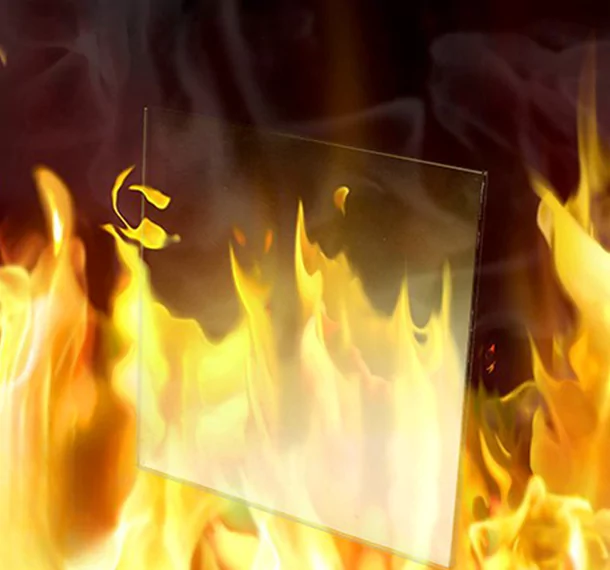
Austin’s adoption of the 2024 International Building Code (IBC) includes specific Texas amendments that directly impact the specification of fire-rated glazing in commercial buildings. Chapter 7 of the IBC mandates fire-resistance ratings for egress corridors, stairwell enclosures, and shaft walls, often requiring up to 120 minutes of integrity for vertical openings. Additionally, NFPA 80 governs the installation and labeling of fire door and window assemblies, requiring third-party certification to ensure field compliance. Antifires’ product line is engineered to meet these benchmarks, with glass compositions that incorporate intumescent gel layers and multi-layer tempered structures to delay heat transfer and prevent flame penetration. For projects in Austin’s downtown core or suburban commercial zones, these standards apply uniformly, but local fire marshals may enforce stricter inspection protocols for high-occupancy buildings. By aligning with both IBC Chapter 7 and NFPA 80, Antifires provides a compliance-ready solution that simplifies permitting and reduces the risk of costly rework.

Fire Rated Glass Classification for Austin’s High-Rise and Mixed-Use Demands

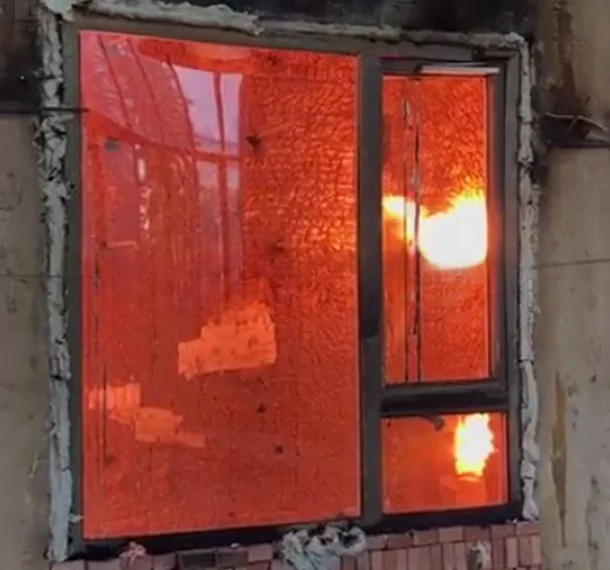
For Austin’s high-rise and mixed-use developments, fire-rated glazing must carry UL 10C or NFPA 252 listings to satisfy Travis County inspection requirements. These classifications verify that the glass can withstand hose stream tests and temperature rise limits under real fire conditions. Antifires offers a range of certified products, including integrity-only systems rated for 60 to 90 minutes and insulation-rated assemblies achieving EI60 or EI120 performance. The glass structure typically combines tempered glass layers with intumescent interlayers that expand under heat, forming an opaque barrier that blocks radiant heat and flames. This design is particularly suited for stairwell vision panels and lobby partitions, where code requires fire separation without sacrificing natural light. By using UL-listed glazing, specifiers can ensure that every assembly meets the durability and fire-resistance criteria demanded by Austin’s building department, whether for new construction or retrofit projects.

Fire Rated Glass Applications in Austin’s Office and Hospitality Projects

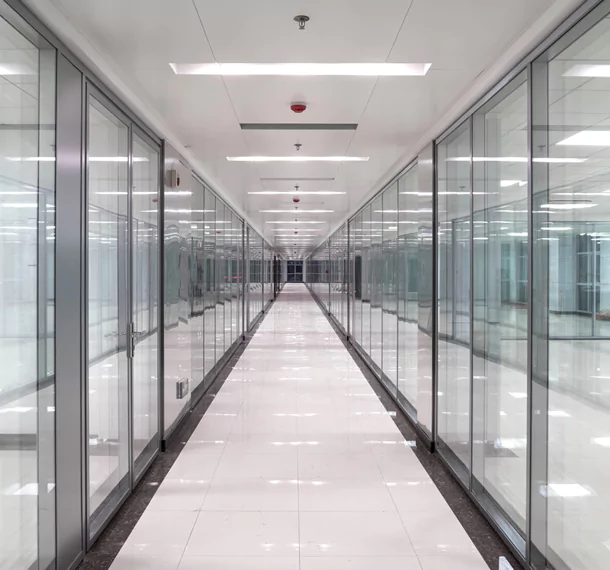
In Austin’s office and hospitality sectors, fire-rated glass is increasingly used to create transparent barriers that support both safety and design. High-rise office towers in the downtown area require vision panels in stairwells and elevator lobbies to maintain egress visibility while preserving fire compartmentation. Antifires has supplied glazing for over 30 commercial towers in Austin since 2021, providing fire partition solutions that integrate with steel or aluminum framing. For hospitality projects, such as hotels and conference centers, fire-rated glass is specified for corridor partitions and atrium enclosures to meet IBC requirements for occupancy separation. The use of multi-layer insulated glass units (IGUs) with intumescent gel ensures that thermal insulation is maintained, preventing heat from spreading to adjacent zones. These applications demonstrate how fire-rated glazing can fulfill both aesthetic and life-safety objectives, particularly in mixed-use developments where open floor plans must be reconciled with strict fire codes.

Antifires Local Support and UL-Certified Product Assurance for Austin Buyers

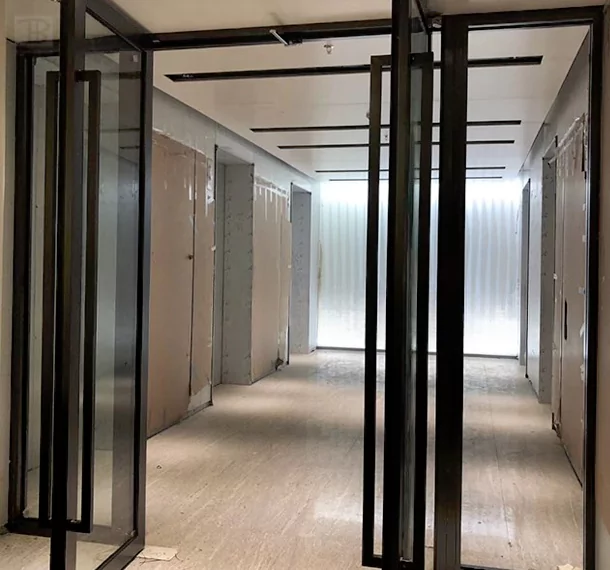
Antifires provides comprehensive support for Austin buyers through a dedicated Texas logistics hub, ensuring that UL-certified fire rated glass and door systems are delivered to job sites within three business days. This rapid turnaround is critical for contractors managing tight construction schedules in Austin’s competitive market. Beyond logistics, Antifires’ technical team offers on-site fire code consultation, helping project teams navigate city-specific permit requirements and Travis County inspection protocols. Each product is backed by third-party test reports from accredited laboratories, verifying compliance with ASTM E119, BS EN 1634-1, and UL 10C. For architects and specifiers, this means access to a single source for glazing that meets both performance and regulatory standards. Whether for a new high-rise or a historic renovation, Antifires ensures that every assembly is engineered for code compliance, with framing systems that include intumescent seals and ceramic wool to maintain fire resistance at critical joints and edges.

REQUEST A QUOTE

Fill the form below to get in touch with us.

click

Frequently Asked Questions (FAQ)

Yes, Antifires fire rated glass is designed to comply with Austin’s specific fire code amendments to the 2024 International Building Code (IBC). The products meet the requirements of IBC Chapter 7 for fire-resistance-rated construction, including integrity and insulation ratings up to 120 minutes. Additionally, all assemblies are tested to NFPA 80 and UL 10C standards, which are enforced by Travis County fire marshals. For projects requiring localized compliance, Antifires provides documentation that references Texas-specific amendments, ensuring that every glazed system—whether for egress corridors, stairwells, or shaft enclosures—meets the necessary fire-resistance criteria.

Antifires offers a range of UL-certified fire ratings for glass used in Austin commercial door and window assemblies. Integrity-only ratings include E60, E90, and E120, which provide flame and hot gas resistance for up to 120 minutes. For projects requiring both integrity and insulation, EI30, EI60, and EI120 ratings are available, limiting temperature rise on the unexposed side to below 140°C average. These ratings are verified through tests such as ASTM E119 and UL 10C, ensuring that the glass can withstand hose stream and pressure conditions typical of real fire scenarios. All products carry third-party labeling for easy field verification by inspectors.

Yes, Antifires can provide fire-rated glazing solutions for historic building renovations in downtown Austin. These projects often require custom framing and glass sizes to match existing openings while meeting modern fire codes. Antifires’ products, such as 10mm to 28mm multi-layer glass with intumescent gel, can be fabricated to fit non-standard dimensions. The glass is tested to ASTM E119 and NFPA 80, ensuring compliance with IBC Chapter 7 for egress and compartmentation. For historic structures, Antifires also offers framing systems that use steel sections with ceramic wool and intumescent seals, preserving the building’s aesthetic while providing up to 90 minutes of fire resistance. Technical consultation is available to address specific permit requirements from the Austin Historic Preservation Office.