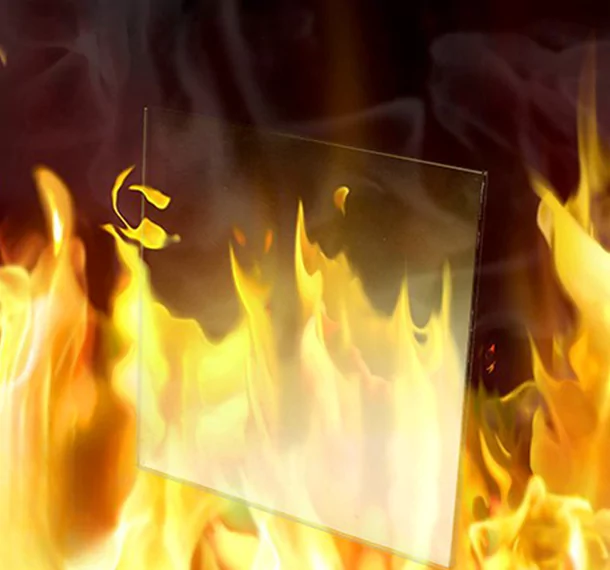
SINGLE LAYER FIRE-RATED GLASS
Learn more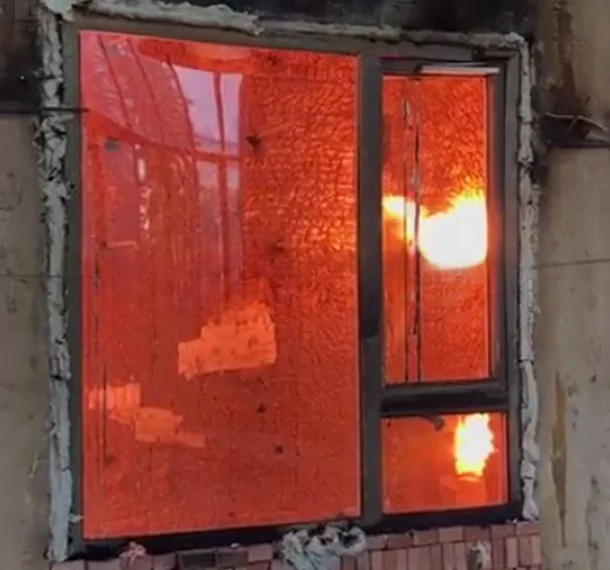
DOUBLE LAYERS FIRE-RATED GLASS
Learn more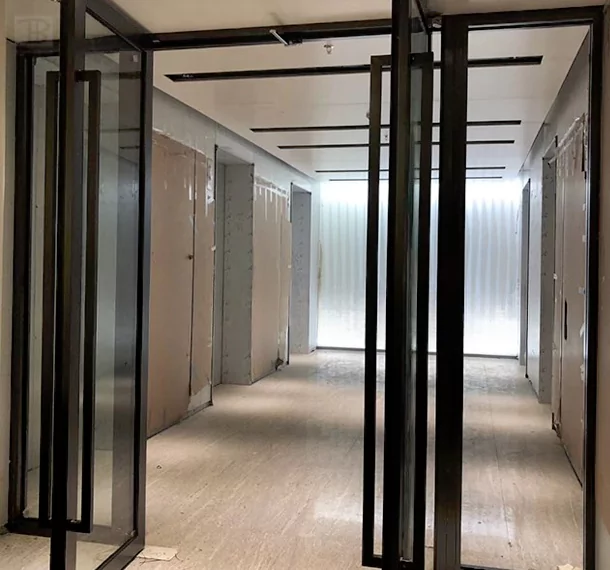
FIREPROOF GLAZING WINDOWS AND DOORS
Learn more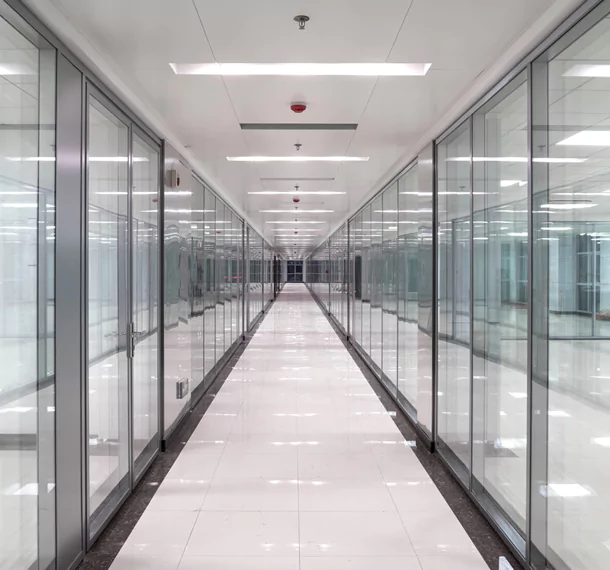
Fire-rated glass plays a crucial role in the safety and integrity of buildings, particularly in environments where the stakes are high, such as hospitals and healthcare facilities. the australian building codes board (abcb) oversees the national construction code (ncc), which establishes essential standards for fire safety across australia. among these standards are specific provisions for fire-rated glazing, which dictate not only where this type of glass must be utilized but also the fire resistance levels (frls) it must meet in Australia.
These regulations is vital for anyone involved in construction or renovation projects. compliance with the ncc is not merely a legal obligation; it is fundamental to ensuring that buildings can withstand potential fire hazards effectively. fire-rated glass Australia serves as a critical component of an overall passive fire protection strategy, helping to contain fires and prevent their spread while maintaining visibility and light within spaces.
In australian hospitals, where protecting vulnerable patients and sensitive medical equipment is paramount, the specification of fire-resistive glass takes on even greater significance. this specialized glazing limits heat transfer rigorously—typically achieving frl ratings of -/60/60 or higher—making it indispensable in creating safe zones and protected escape routes within healthcare facilities. its remarkable ability to maintain low temperatures on the unexposed side means that secondary ignitions are significantly minimized, thereby safeguarding critical medical devices and aligning with stringent safety protocols.
The integration of fire-rated glass Australia into healthcare infrastructure reflects an appreciation for both patient care and rigorous safety standards. it ensures that during emergencies, patients can remain secure while staff can navigate their surroundings without fear of escalating danger from smoke or flames. furthermore, by adhering to ncc guidelines regarding fire-rated glazing, architects and builders demonstrate a commitment not only to compliance but also to fostering environments conducive to healing in Australia.
As we continue to advance our understanding of building materials and their roles in safety protocols, it becomes increasingly clear that fire-rated glass Australia is more than just a regulatory requirement; it’s a vital investment in human life and well-being. by prioritizing its use in design plans for hospitals and other critical facilities, we acknowledge our responsibility toward those who depend on us during their most vulnerable moments.
Embracing fire-rated glass as part of our construction practices exemplifies how we can harmonize aesthetic considerations with essential safety measures—a balance that ultimately leads to better-designed spaces capable of protecting lives while fulfilling their intended functions efficiently.
Fill the form below to get in touch with us.
Fire-proof glass plays an essential role in protecting buildings against fire damage. This special type of glass has been specifically developed to withstand intense heat for an extended period, making it one of the best investments against its effects.
Fire-rated glass serves its purpose by creating an impediment to flames and heat spread, giving fire fighters enough time to extinguish the blaze before it spreads further.
UL ratings are used to indicate the degree of fire resistance provided by various types of fireproof glass products, which indicate how long they can tolerate extreme temperatures without succumbing to damage.
There are various kinds of fireproof glasses on the market, each offering specific properties and applications. Lamellar fireproof glass is one of the more commonly available types.
Fire Resistant Glass In terms of security and safety, fire protection stands as an absolute imperative. Building installations must incorporate fire-proof elements that can lessen its devastating effects, with fireproof glass being an indispensable barrier against an inferno.
Fire resistant glass, composed of advanced composites, provides protection from intense heat for an extended period, helping prevent the spread of fire and safeguard occupants. Its outstanding fireproof properties enable architects and building designers to design safer buildings that increase overall safety and peace of mind for occupants.
Fire resistant glass features features like firebreak layers to increase its effectiveness in controlling fire and heat spread, as well as maintain transparency for an enhanced visual clarity and sense of openness.
Fire-Resistant Glass: Protecting Buildings and People
Fire protection glass plays an essential role in safeguarding lives and property from fire's devastating effects. Engineered from advanced materials, fireproof glass has the unique capability of withstanding extreme temperatures while delaying flame propagation for valuable evacuation time. Constructed as multiple layers separated by an interlayer design that effectively inhibits heat transfer while keeping shatterproof properties under intense heat conditions, fireproof glass offers life and property from burning with little chance of shattering under intense heat conditions.
Fire protection glass provides mechanical support, keeping building walls and partitions intact during a fire event, while offering clear visibility even under severe fire conditions - helping guide occupants towards safety.
Fire protection glass should be an essential part of any comprehensive fire safety plan, ensuring the wellbeing of building occupants while safeguarding valuable assets.
Flame Resistant Glass: Engineered to Provide Extra Fire Resistance
Anti fire glass is an innovative material created to provide extraordinary fire protection against the devastating effects of fire. Engineered with cutting-edge techniques, it features impressive degrees of fire resistance that offer invaluable safety and security in various applications such as buildings, infrastructure or vehicles - providing precious time for evacuation in case a flame spreads uncontrollably.
Fire-Retardant Glazing Glazing plays an essential part in providing structures and occupants with protection during emergencies. Engineered specifically to withstand high heat without spreading flames, fireproof glazing provides essential security during an incident. The science of this specialized type of glass involves various materials and manufacturing processes that create superior thermal resistance - providing essential peace of mind.
One key component in fireproofing glass structures is interlayers made from ceramic material. These interlayers serve as heat transfer barriers and help control the spread of fire.
Additionally, glass composition is carefully chosen in order to maximize fireproofing capabilities and proprietary additives may be added for increased fire protection and melting prevention.
Glazing units also play a vital role in fire protection, with thicker units often offering increased protection. Furthermore, installation procedures must adhere to industry standards so as to create an airtight seal against smoke and flame intrusion into fireproof glass doors.
Safety Glazing to Help in Crisis Situations
In the event of a fire or other emergency situation, having fireproof windows can be vitally important to ensuring your safety. These specially constructed panes are constructed to resist high temperatures, providing a vital shield against fire spread.
Impact-resistant windows can help slow the spread of flames quickly, providing valuable time for safe evacuation. Furthermore, they help limit smoke and toxic gases entering your home or building - ultimately improving air quality and increasing chances of survival.
By investing in fireproof windows, you are taking proactive measures to safeguard the lives and properties of yourself, your loved ones and property should there be an emergency situation.
Building Codes and Standards Revealed Fire-Rated Glass: Understanding Building Codes and Standards Compliance with building codes and standards is vital in maintaining the security and safety of structures. Fireproof glass plays a vital role in protecting residents while restricting flame spread during an inferno. These windows are specifically engineered to withstand intense temperatures for an extended period, acting as a shield against fire and smoke. Building codes like the International Building Code (IBC) and NFPA 101 outline specific requirements for fire-rated glass Australia , such as its capabilities. These codes generally outline minimum resistance requirements depending on factors like building height and intended use.
Meeting these codes is necessary to obtaining building permits and meeting safety regulations for structures. Fire-rated glass manufacturers must conform to stringent testing standards such as UL 10C in order to assess their products. These tests simulate real world fire scenarios to test for heat resistance, flame passage prevention, structural integrity preservation and resistance against structural collapse.
Understanding building codes and standards is vitally important for architects, engineers, contractors, and building owners involved in fire safety planning. By selecting and installing fireproof glass that complies with all required specifications, they can contribute to creating a safer built environment.
Many factors influence the selection of fireproof glass for any given application, such as desired fire rating, size/shape of openings, aesthetic requirements of applications and budget constraints. Consulting qualified professionals is key in selecting appropriate types of glass to meet all specific requirements for a given task.
Selecting the Appropriate Fire-Protection Glass
Glass can play an essential part in fire safety. Fireproof glass offers essential layers of protection, yet not all brands provide equivalent levels.
To select the ideal glass for your specific needs, keep these factors in mind:
An intended use for the glass: Windows, doors or structural elements?
Fire resistance level: Research various fire ratings available so as to select one which fits with your building code requirements.
Visual Considerations: Fireproof glass comes in many styles and tints to match any existing decor. Budget Constraints: Establish an ideal budget range for your project before exploring its possibilities within it.
By carefully considering all these elements, you can confidently select fire-protection glass that will enhance both safety and beauty of your building.
Building codes have increasingly mandated the use of fireproof glass in commercial and residential structures to increase emergency preparedness. Also referred to as fire-rated or fireproof glass, fire-resistant glass was developed to withstand high temperatures for an extended period of time, thereby limiting flame spread and smoke formation. Common applications of this material in commercial settings include doors, partitions, curtain walls and windows; for residential applications including fireplace enclosures, garage doors and exterior walls to provide added protection from accidental fires or structural damage.
Glass fire-retardant offers aesthetic advantages as well as increased levels of safety, making for visually attractive structures with increased levels of security.
Many factors affect the selection of fireproof glass, such as desired fire resistance rating, building code regulations and aesthetic preferences.
Tempered Fire-Rated Glass Provides State-of-the-Art Fire Protection
Modern life demands robust fire protection solutions that protect people and structures alike. Tempered fire-rated glass Australia plays an invaluable role in this regard, offering an effective barrier against the harmful effects of fire. This advanced material combines durability with layers that resist flame spread over an extended period.
Tempered fire-rated glass offers enhanced transparency, providing clear sightlines with minimal disruptions. Therefore, this material makes for an ideal choice in commercial buildings where both aesthetic appeal and fire protection are of equal importance.
By including tempered fire-rated glass in your structures, you can achieve greater fire safety, protecting both lives and property from destruction.
Fire Protection Glass Benefits
Although fireproofing glass may seem like it only offers basic flame-resistance, its true benefits go well beyond that. Fire Protection glass has many important uses in both residential and commercial structures - its primary one being thermal insulation: this special type of material helps lower energy consumption through walls and windows significantly, leading to significant savings on heating/cooling bills as a result of reduced heat transfer through walls/windows and reduced cost savings on heating/cooling costs.
Fire protection glass helps maintain the structural integrity of buildings during fires, providing safer evacuation routes and limiting damage to nearby areas. Furthermore, its advanced designs typically include laminated layers or interlayers that help limit smoke or harmful gases spreading quickly throughout the building.
These advantages make fire protection glass an integral component of modern building design, providing essential protection from fire hazards and risk.
In the realm of architectural design, fire-rated glass Australia plays a crucial role in enhancing both safety and aesthetics. Let's delve into three successful projects where fire-rated glass Australia has been skillfully integrated as glass doors or glass walls:
1. Project Name: The Sparkling Atrium
- Description: This project utilized fire-rated glass walls to create a stunning atrium space within a corporate building in Australia.
- Effect: The transparent yet secure nature of the fire-rated glass allowed natural light to flood the atrium, fostering a sense of openness and connectivity while maintaining necessary fire safety standards.
2. Project Name: Flame-resistant Elegance
- Description: In this luxury hotel renovation project, fire-rated glass doors were installed throughout the lobby area.
- Effect: The sleek design of the fire-rated glass doors added a touch of modern elegance to the space while ensuring that guests and staff are protected in case of fire emergencies.
3. Project Name: The Safety Oasis
- Description: A residential complex incorporated fire-rated glass walls in its communal areas such as lounges and corridors.
- Effect: Residents can enjoy unobstructed views and natural light thanks to the use of fire-rated glass, creating a safe yet visually appealing environment for social interactions.
These projects showcase how innovative use of fire-rated glass can not only meet stringent safety requirements but also elevate the overall design aesthetic and functionality of spaces in various contexts.
Our Location in Australia:68 Elizabeth Street,Australia,Australia
FIRE-RATED GLASS Manipur
VIDRIO RESISTENTE AL FUEGO Tulsa
FEUERBESTÄNDIGES GLAS Leverkusen
FIRE-RATED GLASS Borno
VIDRO À PROVA DE FOGO Baixada Santista
VERRE COUPE-FEU Barrie
KACA KEBAKARAN Malang
VIDRO À PROVA DE FOGO Anápolis
