Buenos Aires Certified Fire Rated Glass for Regulatory Compliance and Safety

Buenos Aires, as a major metropolitan center, enforces stringent fire safety regulations that mandate the use of certified construction materials. For architects, contractors, and building owners, specifying compliant fire rated glass is not merely a best practice but a legal requirement under the Código de Edificación de la Ciudad de Buenos Aires. Antifires provides a comprehensive range of glazing solutions that are rigorously tested to meet both international standards and the specific local requirements of Argentina, including IRAM 11949 for fire-resisting glazing. This standard, enforced by the Cuerpo de Bomberos de la Ciudad, dictates performance criteria for integrity (E) and insulation (I) in critical applications such as egress routes, high-rise building cores, and compartment walls. By aligning product specifications with these localized codes, Antifires ensures that every installation—from office partitions to door assemblies—contributes to a building’s overall passive fire protection strategy. The company’s commitment to compliance is further validated by adherence to global benchmarks like BS EN 1634-1 and ASTM E119, offering a dual layer of assurance. For detailed reference on the official regulatory framework, professionals can consult the Código de Edificación de la Ciudad de Buenos Aires. This localized expertise, combined with certified test data, positions Antifires as a reliable partner for delivering safety and compliance in the Argentine capital.

Adherence to IRAM 11949 and Local Buenos Aires Fire Safety Codes

The regulatory landscape for passive fire protection in Buenos Aires is defined by IRAM 11949, which establishes the classification and test methods for fire-resisting glazing. This standard is integrated into the broader Código de Edificación de la Ciudad de Buenos Aires, which mandates specific fire resistance levels based on building height, occupancy type, and the function of the glazed element. For instance, glazing installed in escape routes and fire-fighting shafts must typically achieve a minimum EI 30 or EI 60 rating, ensuring both integrity against flame penetration and insulation against heat transfer. Antifires products are engineered to meet these exacting criteria, with certified performance data from tests conducted under conditions that simulate real-world fire scenarios. The company’s 60 minute fire rated glass systems, for example, are designed to maintain compartmentation for up to 60 minutes, a common requirement for high-rise residential and commercial towers in the city. Compliance is verified through independent testing, where parameters such as furnace pressure (0 ±2 Pa) and unexposed surface temperature rises (average ≤140°C) are strictly monitored. This rigorous process ensures that every system delivered to a Buenos Aires project can withstand the thermal and mechanical stresses of a fire, providing critical time for occupant evacuation and emergency response.

Selecting EI 30 to EI 120 Fire Rated Glass for Argentine Climate Conditions

Buenos Aires’ humid subtropical climate presents unique challenges for fire-rated glazing systems, including exposure to high humidity, temperature fluctuations, and UV radiation. Antifires addresses these conditions by offering fire rated glass with certified ratings from EI 30 to EI 120, utilizing laminated and multi-layer composite structures that are both thermally stable and optically clear. For example, the 28mm EI60 panel (6mm + 5.5mm gel + 5mm + 5.5mm gel + 6mm) provides 66 minutes of integrity and 64 minutes of insulation, making it suitable for internal partitions where thermal comfort and safety are paramount. The intumescent gel interlayers, which expand under heat to form a rigid insulating barrier, are formulated to resist degradation from moisture, a critical factor in Buenos Aires’ climate. Additionally, all framing systems utilize G.M.S. hollow steel sections with corrosion-resistant coatings and ceramic wool seals (density 210 kg/m³) to prevent thermal bridging and maintain long-term performance. For projects requiring higher performance, the 50mm EI120 system offers up to 120 minutes of both integrity and insulation, ideal for stairwell enclosures and fire-rated lobbies in mixed-use developments. These solutions ensure that fire safety is not compromised by environmental factors, delivering reliable protection across the city’s diverse architectural landscape.

Fire Partition Systems for Buenos Aires Office Towers and Historic Facades

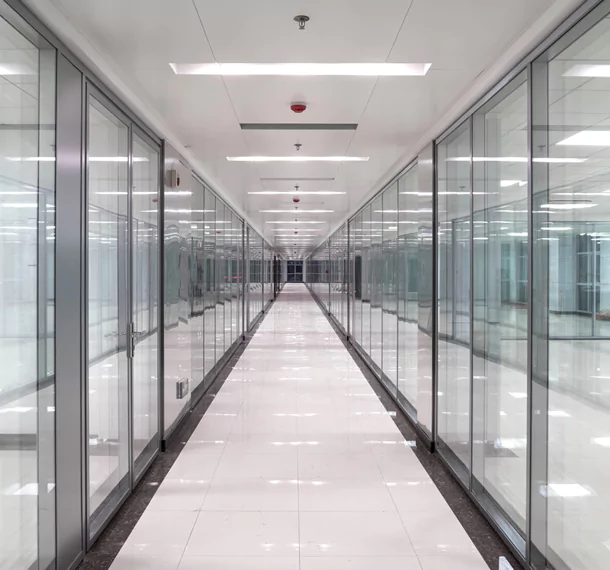
Buenos Aires’ architectural fabric ranges from the modern Catalinas Norte office towers to the historic Palermo and San Telmo neighborhoods, each presenting distinct fire protection challenges. In new high-rise constructions, fire partition systems must provide robust compartmentation for atrium enclosures and exit corridors, often requiring E 90 or EI 60 ratings. Antifires supplies custom fire partition solutions that integrate seamlessly with steel or aluminum framing, maintaining the aesthetic continuity of modern office interiors while delivering certified fire resistance. For retrofit projects in historic buildings, such as converted warehouses in Palermo or heritage facades in Recoleta, the challenge lies in preserving original architectural features while upgrading fire safety. Antifires offers fire windows and doors that can be fabricated to non-standard sizes, fitting into existing masonry openings without compromising the building’s character. These systems utilize intumescent fire seals (20mm × 4mm) and ceramic fiber expansion gaps (3mm–5mm) to ensure a tight barrier against smoke and flames. In both new and existing structures, the company’s engineering team provides on-site assessments to determine the optimal glazing configuration, ensuring that each installation meets the specific fire load and compartmentation requirements dictated by the local code.

Antifires Local Stock and Technical Support for Argentine Contractors

To support the demanding timelines of Buenos Aires construction projects, Antifires maintains a dedicated distribution hub within the city, ensuring rapid access to IRAM-certified fire rated glass and associated components. This local stock includes a full range of products, from 6mm E90 integrity-only glass for internal doors to 54mm EI120 ultra-high-performance panels for critical infrastructure. The availability of pre-cut and framed units reduces lead times, allowing contractors to adhere to tight municipal permit schedules. Beyond product supply, Antifires provides comprehensive technical support through bilingual engineers who are well-versed in Argentine building codes and installation best practices. These specialists assist with specification reviews, helping architects select the appropriate fire door systems and glazing configurations for each project’s unique fire load and egress requirements. Installation guidance is also offered, covering critical details such as M6/M8 anchor bolt spacing (300–600mm) and the proper application of fire-rated insulation board (12mm–15mm) within the frame cavity. This local presence, combined with a deep understanding of the Código de Edificación, minimizes project delays and ensures that every installation is fully compliant. For contractors seeking a reliable partner, this logistical and technical infrastructure translates into faster approvals and safer buildings.

REQUEST A QUOTE

Fill the form below to get in touch with us.

click

Frequently Asked Questions (FAQ)

Yes, all Antifires fire rated glass products are designed and tested to comply with IRAM 11949, the Argentine standard for fire-resisting glazing. This standard is directly referenced by the Código de Edificación de la Ciudad de Buenos Aires, which governs construction practices in the capital. Antifires systems have undergone independent testing in accredited laboratories, with performance data verified under conditions that include furnace temperatures up to 135 minutes and strict monitoring of unexposed surface temperature rises. The company’s commitment to compliance ensures that its products meet the mandatory EI classification requirements for egress routes, high-rise cores, and compartment walls, as enforced by the Cuerpo de Bomberos de la Ciudad. For projects requiring additional assurance, Antifires can provide test certificates and technical documentation that align with both local and international standards, including BS EN 1634-1 and ASTM E119.

For office partitions in Buenos Aires, the most commonly specified fire resistance ratings are EI 30 and EI 60, depending on the building’s height and occupancy classification. In high-rise towers, such as those in the Catalinas Norte district, EI 60 is frequently mandated for glazing separating escape routes and fire-fighting shafts, providing 60 minutes of both integrity and insulation. For lower-rise commercial buildings or internal office subdivisions, EI 30 is often sufficient, offering 30 minutes of protection. In some cases, where additional safety is required for critical infrastructure or large atria, EI 90 or EI 120 systems may be specified. Antifires provides certified solutions for all these ratings, including 21mm FPOS glass (integrity 120 min, insulation 30 min) and 50mm EI120 panels (integrity 120 min, insulation 120 min), ensuring that architects can select the appropriate performance level for each application.

Yes, Antifires specializes in providing custom-sized fire rated windows and doors for historic building renovations in neighborhoods like San Telmo and Recoleta. These projects often require preserving original masonry facades and architectural details while upgrading fire safety to meet current codes. Antifires can fabricate fire windows in non-standard dimensions, using G.M.S. hollow steel frames that can be adapted to fit existing openings. The glazing units, such as 10mm FPOS (integrity 135 min) or 26mm door glass (integrity 89–90 min, insulation 68 min), are selected based on the required fire resistance and aesthetic preferences. The installation process incorporates ceramic fiber expansion gaps and intumescent seals to ensure a tight fit without damaging historic materials. Antifires’ engineering team works closely with architects and contractors to design solutions that balance heritage preservation with modern safety standards.