Certified Fire Rated Glass for Cilacap’s Industrial and Commercial Buildings

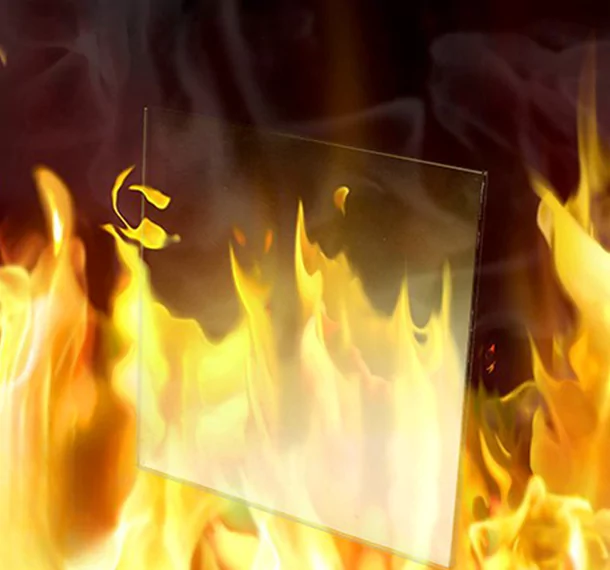
As a key industrial hub on Java’s southern coast, Cilacap demands robust passive fire protection solutions that align with Indonesia’s national fire safety framework. The primary regulation governing fire resistance in buildings is SNI 03-1735-2000, which outlines procedures for fire resistance testing of building elements, including glazed assemblies. For commercial and industrial projects, compliance with this standard is mandatory for egress paths, compartment walls, and fire-rated enclosures. Antifires supplies certified fire rated glass systems that have been rigorously tested to meet both integrity (E) and insulation (I) criteria as defined by SNI and referenced international protocols such as ISO 834. These systems are engineered to contain fire and limit heat transfer, ensuring that escape routes remain tenable and structural compartments perform as designed. Beyond national codes, many Cilacap projects—particularly those involving petrochemical facilities—also reference NFPA 101 (Life Safety Code) and NFPA 80 (Standard for Fire Doors and Other Opening Protectives) for additional layers of safety. Antifires provides comprehensive documentation, including factory test reports and installation manuals, to assist local contractors and specifiers in navigating these regulatory requirements. For further details on Indonesia’s fire safety regulations, professionals can consult the official Badan Standardisasi Nasional (BSN) website for SNI updates and compliance guidelines.

Adherence to Indonesia’s SNI 03-1735-2000 Fire Safety Standards in Cilacap

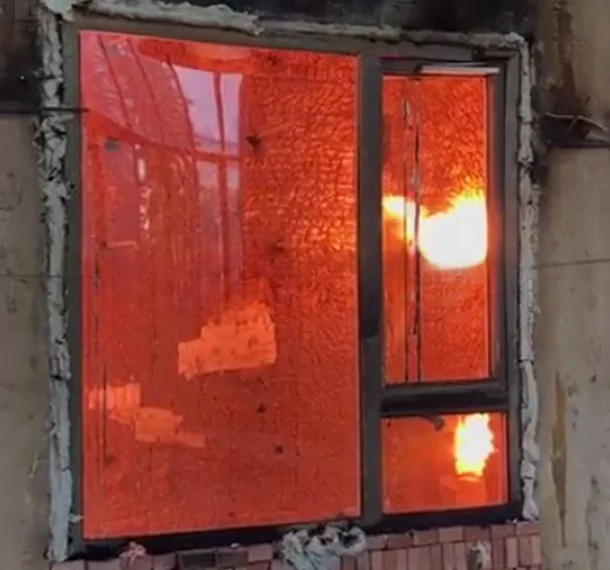
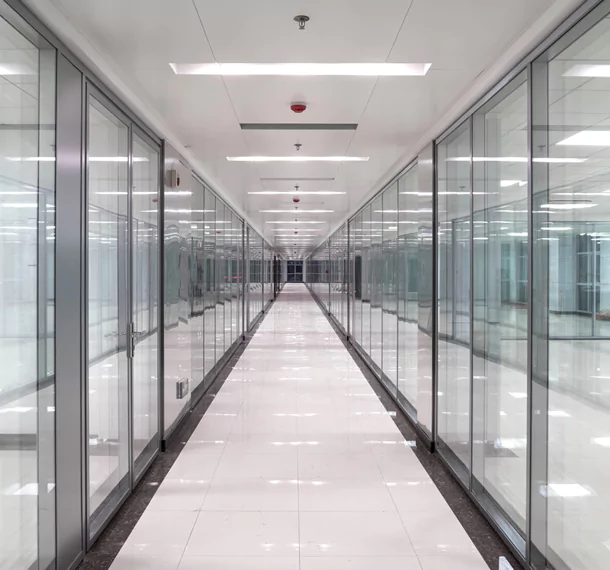
Cilacap’s tropical climate, characterized by high humidity and coastal salt-laden air, imposes unique challenges on fire-rated glazing systems. The selection of appropriate EI-classifications must account for both fire performance and environmental durability. Under SNI 03-1735-2000, assemblies are rated based on their ability to maintain integrity (E) and insulation (I) under standard fire exposure. For interior applications such as corridor partitions and stairwell enclosures, EI 30 and EI 60 ratings are commonly specified. Antifires offers laminated fire-rated glass with intumescent interlayers that expand under heat to form an insulating barrier, preventing flame penetration and limiting temperature rise on the unexposed side. For example, the 28mm EI60 panel achieves an integrity of 66 minutes and insulation of 64 minutes, making it suitable for 60-minute rated walls. In high-humidity environments, the multi-layer gel and tempered glass construction resists delamination and thermal stress cracking. Additionally, frames are fabricated from G.M.S. hollow steel sections with corrosion-resistant coatings, and expansion gaps are sealed with ceramic fiber to maintain dimensional stability. For projects requiring higher performance, such as control rooms in industrial zones, EI 120 rated assemblies (e.g., 50mm/54mm multi-layer structures) provide up to 120 minutes of insulation. These systems are verified under controlled furnace conditions (ambient temperatures of 27°C–36°C and relative humidity up to 90%) to ensure reliable performance in Cilacap’s actual operating environment.

Selecting Fire Rated Glass EI-Classifications for Cilacap’s Tropical Climate

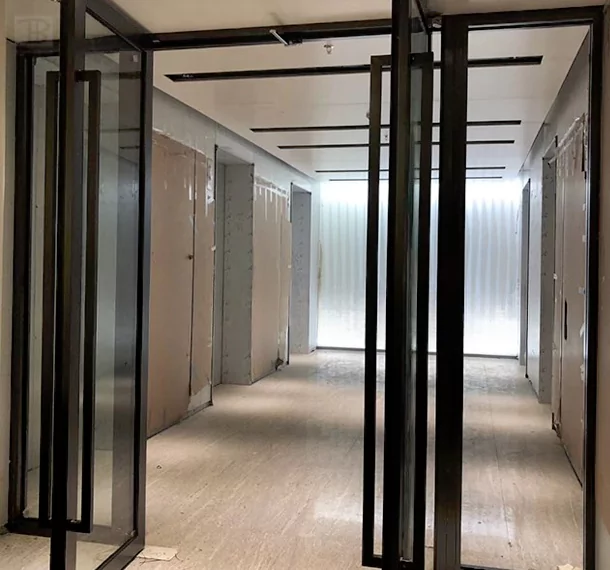
Cilacap’s strategic economic sectors—including oil refining, chemical storage, logistics, and tourism—each present distinct fire safety requirements. In petrochemical plants, fire-rated glazing is critical for control rooms, escape corridors, and hazardous area boundaries. These assemblies must withstand radiant heat and prevent flame spread while maintaining visibility for operational monitoring. Antifires supplies fire rated glass for partitions and walls that achieve up to EI 120, providing extended protection in high-risk zones. For port facilities handling bulk materials and container storage, fire-rated windows and doors are installed in administrative buildings and security checkpoints to compartmentalize potential fire incidents. In the hospitality sector, particularly new hotel developments near Teluk Penyu Beach, local building codes typically require EI 30 or EI 60 rated vision panels in stairwell enclosures and fire door assemblies. These systems integrate with steel or aluminum frames and incorporate intumescent seals (20mm × 4mm) to prevent smoke and flame passage at the perimeter. The use of ceramic wool (density 210 kg/m³) as backing material further enhances insulation performance. By tailoring glazing solutions to the specific occupancy and hazard classification of each facility, Antifires ensures that Cilacap’s buildings meet both SNI compliance and international best practices for passive fire protection.

Fire Rated Glazing for Cilacap’s Petrochemical Plants, Hotels, and Port Facilities

Contractors and specifiers in Cilacap increasingly rely on Antifires for certified fire protection systems that streamline project approvals and reduce compliance risks. Each product is supplied with comprehensive factory test reports documenting performance under BS 476 Part 22, BS EN 1634-1, or equivalent standards, directly supporting SNI 03-1735-2000 compliance audits. The technical documentation includes detailed installation guidelines adapted to Cilacap’s seismic and wind load conditions, ensuring that fire-rated assemblies maintain their integrity during structural movements. For example, anchor bolt spacing (300–600mm) and expansion gaps (3–5mm filled with ceramic fiber) are specified to accommodate thermal expansion and building sway without compromising fire resistance. Antifires also provides localized support for frame selection, sealant compatibility, and on-site quality checks, reducing the likelihood of installation errors that could void certifications. The company’s fire rated glass for doors and partitions includes options for both integrity-only (E) and combined integrity-insulation (EI) ratings, giving project teams flexibility to match exact fire resistance requirements. By offering a complete system—from glass and frames to seals and anchors—Antifires minimizes procurement complexity and ensures that every component is harmonized for optimal performance under fire conditions. This end-to-end approach has made Antifires a trusted partner for Cilacap’s most demanding construction and industrial projects.

Why Cilacap Contractors Trust Antifires for Certified Fire Protection Systems

Antifires provides a full spectrum of fire-rated glass and framing systems designed to meet the specific needs of Cilacap’s industrial and commercial sectors. The product range includes integrity-only (E) glass rated from E30 to E120 for applications where insulation is not critical, and combined EI glass from EI30 to EI120 for compartment walls and escape routes requiring thermal protection. For high-visibility areas such as hotel lobbies or control room windows, EW120 rated glass offers both integrity and radiation control, limiting heat transfer to safe levels. The glass compositions vary by performance level: 10mm FPOS (3mm float + 4mm gel + 3mm float) provides 135 minutes integrity, while 28mm EI60 panels (6mm + 5.5mm gel + 5mm + 5.5mm gel + 6mm) deliver 66 minutes integrity and 64 minutes insulation. For ultra-high-demand environments, 50mm/54mm multi-layer structures achieve full EI120 performance. All systems are tested under standardized furnace conditions with Type K thermocouples (9–12 channels) and up to 55 monitoring points on the unexposed side, ensuring accurate and repeatable results. Antifires also supplies complementary components such as intumescent fire seals (20mm × 4mm), ceramic tape, and fire-rated insulation boards (12–15mm) to complete the assembly. By offering a comprehensive product portfolio backed by certified test data, Antifires enables Cilacap’s architects, engineers, and contractors to specify fire-rated glazing with confidence, knowing that each solution is engineered for local conditions and regulatory compliance.

REQUEST A QUOTE

Fill the form below to get in touch with us.

click

Frequently Asked Questions (FAQ)

Yes, Antifires provides comprehensive documentation to support SNI 03-1735-2000 compliance for fire rated glass used in Cilacap’s industrial projects. Each product is supplied with factory test reports that detail performance under recognized standards such as BS 476 Part 22, BS EN 1634-1, or ISO 834. These reports include certified integrity and insulation ratings, furnace test conditions (temperature, pressure, and duration), and material specifications. For projects requiring additional local approvals, Antifires can provide documentation that maps test results to SNI requirements, facilitating smoother inspections by local building authorities. The company also offers installation guidelines and system component specifications to ensure that the entire assembly—including frames, seals, and anchors—complies with national fire safety codes.

Under typical local building codes applied in Cilacap, hotel stairwell vision panels are generally required to achieve a minimum EI 30 rating, though many projects specify EI 60 for enhanced safety and compliance with international standards. The EI 30 rating ensures 30 minutes of integrity and insulation, which is sufficient for standard egress paths in low-to-mid-rise hotels. However, for high-rise developments or hotels with complex floor plans, EI 60 rated glass (e.g., 28mm multi-layer panels with 64 minutes insulation) is often recommended to provide additional time for occupant evacuation and fire brigade response. Antifires supplies both EI 30 and EI 60 systems that are tested under SNI-referenced protocols, allowing specifiers to select the appropriate rating based on the building’s height, occupancy load, and fire risk assessment.

Antifires ensures corrosion resistance in Cilacap’s coastal and high-humidity environment through several design and material choices. The fire-rated glass itself uses tempered and laminated constructions with intumescent interlayers that are inherently resistant to moisture ingress and delamination. Frames are fabricated from G.M.S. hollow steel sections with hot-dip galvanized or powder-coated finishes to prevent rust. All exposed metal components, including anchor bolts (M6/M8) and fixing brackets, are treated or selected from corrosion-resistant alloys. Expansion gaps (3–5mm) are filled with ceramic fiber, which does not absorb moisture or degrade in humid conditions. Additionally, the intumescent seals and ceramic tape used at perimeter junctions are specified for high-humidity environments, maintaining their fire-stopping properties over the long term. Antifires provides installation guidelines that include recommendations for sealant types and maintenance schedules to further extend system lifespan in coastal zones.