Columbia SC Fire Safety Codes and IBC 2021 Compliance for Glazing Systems
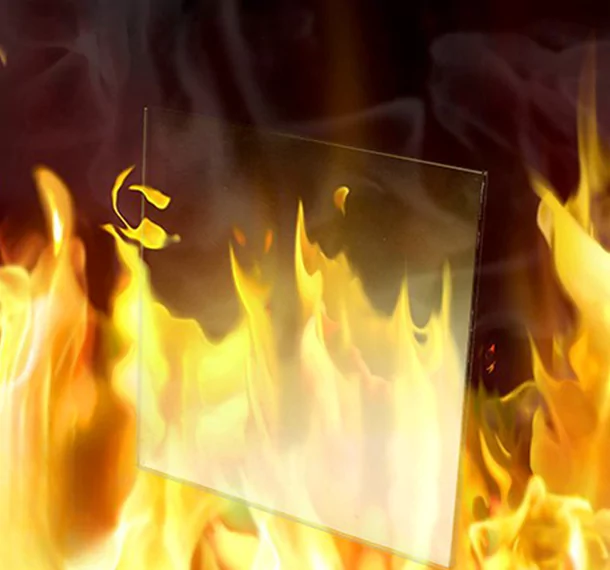
Columbia, South Carolina, enforces the 2021 International Building Code (IBC) with local amendments, creating a specific regulatory framework for fire-rated glazing in commercial and institutional buildings. These codes require that glazing systems in egress corridors, stairwells, and hazardous areas achieve fire-resistance ratings from 20 to 90 minutes, depending on the occupancy type and building height. Compliance is verified through rigorous testing protocols such as ASTM E119 and NFPA 252, which assess integrity and insulation performance under standardized furnace conditions. For instance, a 60-minute rated glazing system must prevent flame penetration and limit heat transmission for the full duration, a requirement critical for protecting means of egress in multi-story structures. Antifires’ product line, including 60-minute fire rated glass, is designed to meet these exacting standards, providing documented test data that satisfies Richland County building inspections. The local amendments often specify additional requirements for smoke control and impact safety, particularly in educational and healthcare facilities, making it essential for specifiers to consult both the base IBC and local supplements. By adhering to these codes, Columbia SC projects ensure that fire-rated glazing contributes to effective compartmentation and life safety without compromising architectural transparency.
Fire Rated Glass Ratings for Columbia SC: UL 263 and ASTM E119 Performance Levels
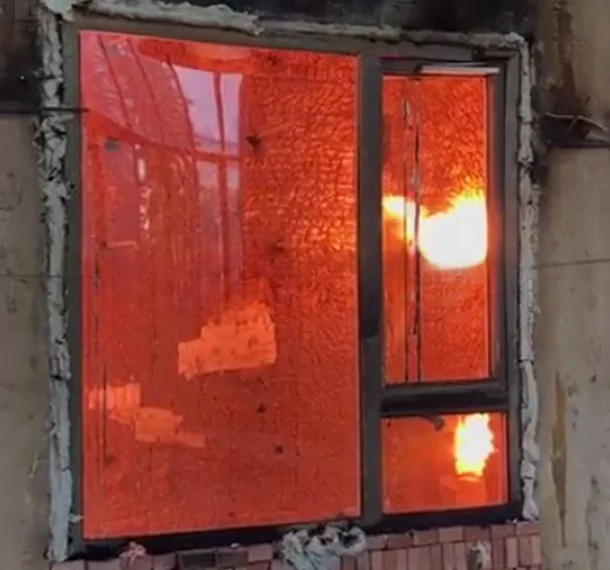
All fire-rated glass products intended for Columbia SC projects must comply with ASTM E119 and NFPA 252 testing protocols, with third-party certification from recognized agencies such as Intertek or Underwriters Laboratories (UL) to satisfy Richland County building inspections and fire marshal approvals. These standards define performance levels based on two critical criteria: integrity (E) and insulation (I). Integrity ratings, such as E60 or E90, indicate the duration a glazing system can withstand flame penetration and hot gas leakage, while insulation ratings (EI30, EI60, EI120) measure the ability to limit temperature rise on the unexposed side. For example, a UL 263 listed assembly achieving EI60 must prevent average temperature rise above 140°C and maximum rise above 180°C for 60 minutes. Antifires’ certified systems, including those with 26mm door glass achieving Integrity 89–90 minutes and Insulation 68 minutes, provide verified performance data that aligns with these requirements. The following table summarizes key performance levels relevant to Columbia SC applications:
| Rating | Integrity (Minutes) | Insulation (Minutes) | Typical Application |
| E60 | 60 | N/A | Corridor vision panels |
| EI60 | 60 | 60 | Stairwell enclosures |
| EI90 | 90 | 90 | Hospital compartment walls |
These ratings are verified through documented test reports, ensuring that every installation meets the strict inspection criteria of local authorities.
Columbia SC Building Applications: Fire Rated Glass in Healthcare and Educational Facilities
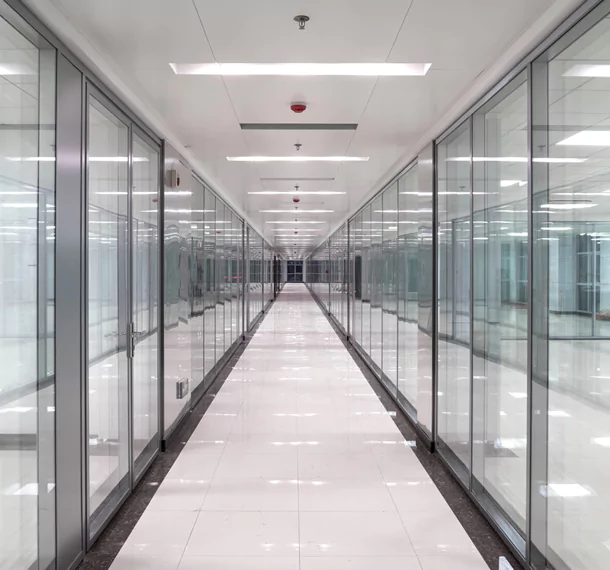
In Columbia SC’s expanding healthcare sector, fire-rated glazing is increasingly specified for hospital operating rooms, patient room vision panels, and nurse station enclosures, ensuring compliance with South Carolina’s strict smoke and fire compartmentation requirements. These applications demand glazing systems that provide both integrity and insulation to contain fire and limit heat transfer, protecting vulnerable occupants and critical medical equipment. For example, an operating room vision panel must achieve at least EI60 to prevent radiant heat from igniting sterile supplies and to maintain a tenable environment for evacuation. Antifires provides 120-minute fire rated glass for high-risk zones, such as vertical shaft enclosures and hazardous storage areas, where extended protection is mandated by IBC 2021. In educational facilities, including K-12 schools and university buildings in the Midlands region, fire-rated windows and doors provide 60-minute protection in stairwell enclosures and corridor separation walls, meeting the state’s school safety construction standards. These installations often require impact safety ratings (CPSC 16 CFR 1201) in addition to fire performance, particularly in doors and sidelights where human impact is likely. By integrating these certified systems, Columbia SC projects achieve both regulatory compliance and operational safety across diverse building types.
Why Columbia SC Architects Trust Antifires for Fire Rated Glass and Door Systems
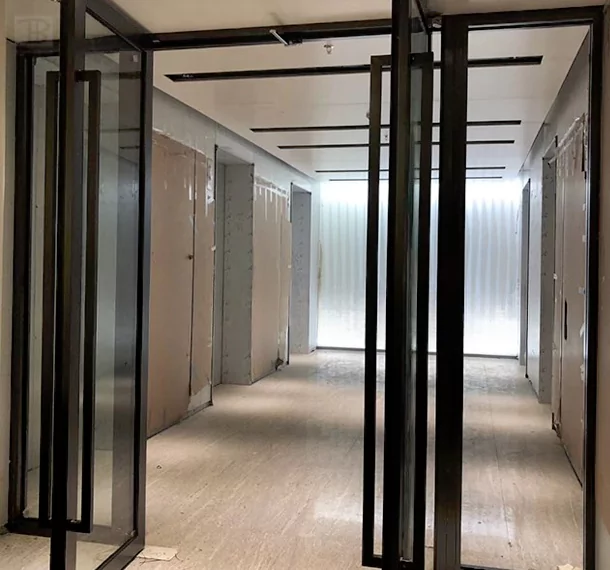
Columbia SC architects and specifiers trust Antifires for fire-rated glass and door systems due to the company’s commitment to certified performance, technical precision, and localized support. All products are tested to recognized standards such as BS 476 Part 22 and ASTM E119, providing documented evidence of integrity and insulation ratings that satisfy Richland County building inspections. For example, the 28mm EI60 panel achieves Integrity 66 minutes and Insulation 64 minutes, offering reliable protection for corridor separation walls and stairwell enclosures. Antifires provides comprehensive technical documentation, including test reports and installation guidelines, enabling architects to specify with confidence. The company’s systems are designed for compatibility with local construction practices, using G.M.S. hollow steel frames, ceramic wool seals, and intumescent fire seals to ensure proper performance. For K-12 schools and university buildings in the Midlands region, Antifires fire-rated windows and doors provide 60-minute protection in stairwell enclosures and corridor separation walls, meeting the state’s school safety construction standards. This combination of verified data, product variety, and application-specific engineering makes Antifires a preferred partner for Columbia SC projects requiring code-compliant fire-rated glazing.