For construction projects in Jhang City, adherence to the Pakistan Building Code (PBC) 2021 is not optional—it is a statutory requirement for occupancy and safety certification. Section 7 of the PBC specifically mandates fire resistance ratings for structural elements, egress routes, and compartmentation barriers. Antifires provides certified passive fire protection solutions engineered to meet these local regulations, ensuring that commercial, industrial, and residential developments achieve compliance without costly retrofits. The product portfolio includes fire rated glass and door systems tested under international standards such as BS 476 Part 22 and BS EN 1634-1, which are widely referenced by Pakistani fire authorities. For detailed regulatory context, professionals can consult the official Pakistan Engineering Council’s building code resources. By integrating these certified systems, Jhang’s architects and contractors can confidently address fire safety requirements while maintaining design flexibility for modern building envelopes.
Adherence to Pakistan Building Code and Local Fire Safety Regulations in Jhang
Jhang City’s construction sector must comply with the Pakistan Building Code (PBC) 2021, which prescribes fire resistance ratings for structural components based on occupancy type and building height. Antifires’ systems are designed to meet these localized statutory requirements, providing verified fire performance for egress corridors, stairwell enclosures, and compartment walls. The products undergo rigorous testing under BS 476 Part 22, ensuring that integrity (E) and insulation (I) criteria align with PBC mandates for commercial and multi-story residential projects. This compliance eliminates the risk of non-conformance during municipal inspections and reduces the likelihood of expensive post-construction modifications. By specifying Antifires’ certified assemblies, Jhang-based developers can achieve passive fire protection that integrates seamlessly with local building practices, supporting both safety and project timelines.
Specification of Fire Rated Glass Grades for Jhang’s Commercial and Industrial Structures
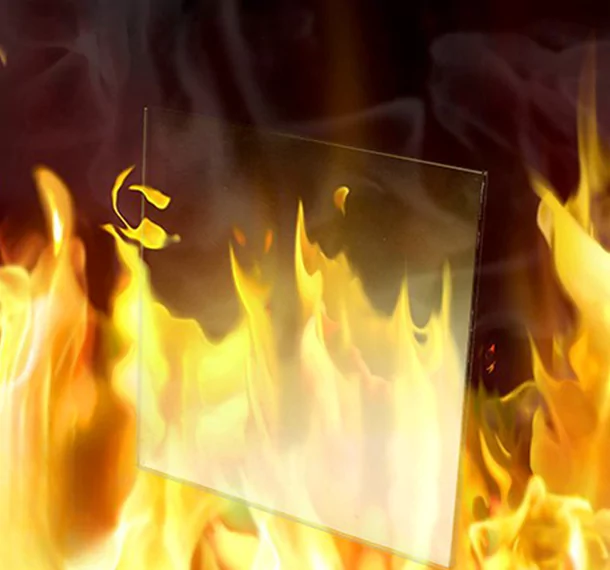
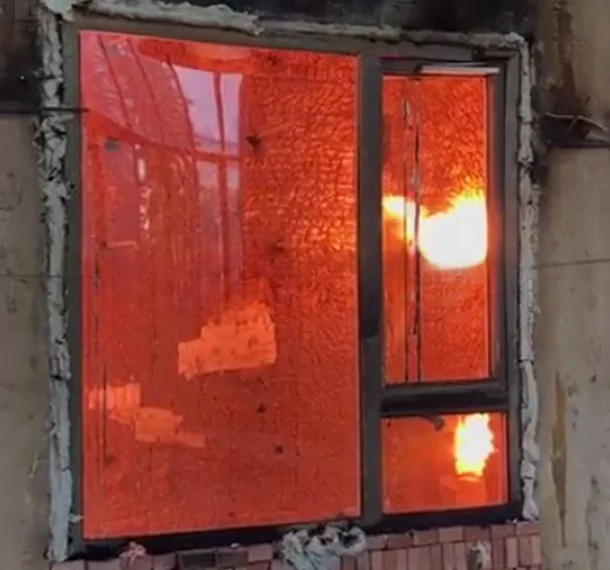
For Jhang’s expanding textile mills, agro-processing units, and commercial complexes, selecting the correct fire rated glass grade is critical for both safety and operational continuity. Antifires offers a range of laminated and composite glass systems with fire resistance ratings from EI 30 to EI 120, tested under BS EN 1364-1 and BS 476 Part 22. These products provide verified integrity and insulation performance, making them suitable for internal partitions, vision panels, and factory viewing windows. The glass structures utilize intumescent gel layers that activate under heat, forming a protective barrier against flame and thermal transmission. For high-humidity environments typical of Jhang’s industrial zones, the sealed multi-layer construction ensures long-term stability without delamination. This technical specification allows engineers to match fire resistance duration to occupancy load requirements, optimizing both safety and material costs.
Application of Fire Resistant Systems in Jhang’s High-Traffic Public and Residential Buildings
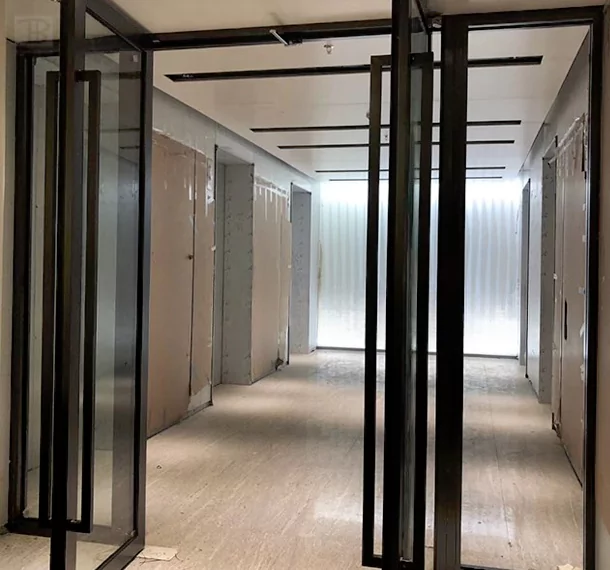
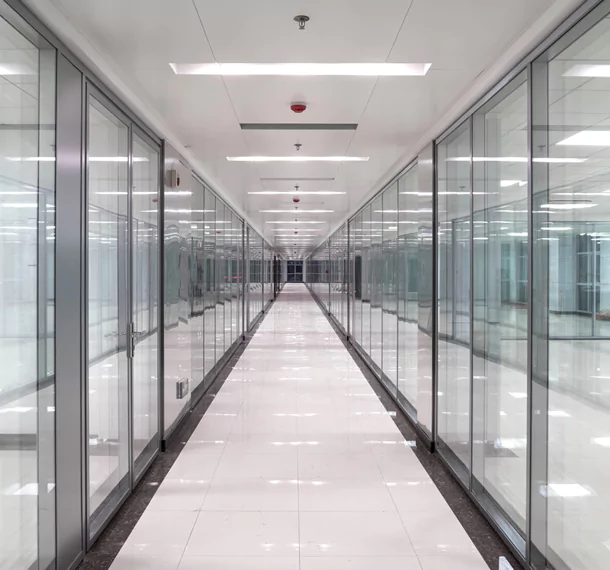
Jhang’s new commercial plazas and multi-story residential complexes in areas such as Satellite Town and Civil Lines require robust fire resistant systems to control smoke spread and maintain egress integrity. Antifires supplies 60-minute fire rated steel doors and fixed glass windows that meet the PBC’s occupancy load requirements for high-density buildings. These assemblies incorporate intumescent seals and ceramic wool insulation within steel frames, achieving tested integrity and insulation performance under BS EN 1634-1. The glazed systems are ideal for stairwell enclosures and corridor partitions, where visual transparency must be balanced with fire compartmentation. By reducing the risk of smoke migration in escape routes, these solutions directly enhance occupant safety in Jhang’s growing urban infrastructure, supporting compliance with local fire authority standards.
Antifires’ Proven Track Record and Localized Support for Jhang’s Construction Sector
With over a decade of B2B supply experience, Antifires provides Jhang-based contractors and engineers with direct access to technical documentation, including test certificates and installation guides aligned with Pakistan’s fire authority requirements. The company’s localized logistics network ensures timely delivery to Jhang’s industrial zones and construction sites, supported by post-installation compliance audits that verify system performance. For complex projects, Antifires offers specification assistance for fire partition solutions, helping local teams navigate PBC requirements and international testing standards. This comprehensive support reduces project risk and ensures that passive fire protection systems are installed correctly, maintaining their certified performance throughout the building’s lifecycle. Jhang’s construction professionals can rely on this proven expertise to achieve regulatory compliance and building safety.
Frequently Asked Questions
Q1: Does Antifires fire rated glass comply with the Pakistan Building Code for use in Jhang City?
A1: Yes, Antifires fire rated glass is designed to comply with the Pakistan Building Code (PBC) 2021, specifically Section 7 for fire protection. The products are tested under international standards such as BS 476 Part 22 and BS EN 1634-1, which are recognized by Pakistani fire authorities for code compliance. This ensures that Jhang-based projects meet statutory requirements for egress routes and compartmentation without additional testing or certification delays.
Q2: What fire resistance ratings are available for fire doors and windows in Jhang’s commercial buildings?
A2: Antifires offers fire doors and windows with ratings from E 60 to EI 120, covering both integrity-only and integrity-plus-insulation performance. These ratings are verified under BS 476 Part 22 and BS EN 1634-1, making them suitable for commercial buildings in Jhang that require up to 120 minutes of fire resistance for stairwells, corridors, and partition walls. Each system includes certified frame assemblies and intumescent seals for reliable performance.
Q3: Can Antifires provide certified installation support and compliance documentation for projects in Jhang?
A3: Yes, Antifires offers comprehensive support for Jhang-based projects, including certified installation guides, test certificates, and compliance documentation aligned with Pakistan’s fire authority standards. The company also provides post-installation compliance audits to verify system performance. This ensures that contractors and engineers can confidently meet PBC requirements and local inspection criteria.
For construction projects in Jhang City, adherence to the Pakistan Building Code (PBC) 2021 is not optional—it is a statutory requirement for occupancy and safety certification. Section 7 of the PBC specifically mandates fire resistance ratings for structural elements, egress routes, and compartmentation barriers. Antifires provides certified passive fire protection solutions engineered to meet these local regulations, ensuring that commercial, industrial, and residential developments achieve compliance without costly retrofits. The product portfolio includes fire rated glass and door systems tested under international standards such as BS 476 Part 22 and BS EN 1634-1, which are widely referenced by Pakistani fire authorities. For detailed regulatory context, professionals can consult the official Pakistan Engineering Council’s building code resources. By integrating these certified systems, Jhang’s architects and contractors can confidently address fire safety requirements while maintaining design flexibility for modern building envelopes.
Adherence to Pakistan Building Code and Local Fire Safety Regulations in Jhang
Jhang City’s construction sector must comply with the Pakistan Building Code (PBC) 2021, which prescribes fire resistance ratings for structural components based on occupancy type and building height. Antifires’ systems are designed to meet these localized statutory requirements, providing verified fire performance for egress corridors, stairwell enclosures, and compartment walls. The products undergo rigorous testing under BS 476 Part 22, ensuring that integrity (E) and insulation (I) criteria align with PBC mandates for commercial and multi-story residential projects. This compliance eliminates the risk of non-conformance during municipal inspections and reduces the likelihood of expensive post-construction modifications. By specifying Antifires’ certified assemblies, Jhang-based developers can achieve passive fire protection that integrates seamlessly with local building practices, supporting both safety and project timelines.
Specification of Fire Rated Glass Grades for Jhang’s Commercial and Industrial Structures
For Jhang’s expanding textile mills, agro-processing units, and commercial complexes, selecting the correct fire rated glass grade is critical for both safety and operational continuity. Antifires offers a range of laminated and composite glass systems with fire resistance ratings from EI 30 to EI 120, tested under BS EN 1364-1 and BS 476 Part 22. These products provide verified integrity and insulation performance, making them suitable for internal partitions, vision panels, and factory viewing windows. The glass structures utilize intumescent gel layers that activate under heat, forming a protective barrier against flame and thermal transmission. For high-humidity environments typical of Jhang’s industrial zones, the sealed multi-layer construction ensures long-term stability without delamination. This technical specification allows engineers to match fire resistance duration to occupancy load requirements, optimizing both safety and material costs.
Application of Fire Resistant Systems in Jhang’s High-Traffic Public and Residential Buildings
Jhang’s new commercial plazas and multi-story residential complexes in areas such as Satellite Town and Civil Lines require robust fire resistant systems to control smoke spread and maintain egress integrity. Antifires supplies 60-minute fire rated steel doors and fixed glass windows that meet the PBC’s occupancy load requirements for high-density buildings. These assemblies incorporate intumescent seals and ceramic wool insulation within steel frames, achieving tested integrity and insulation performance under BS EN 1634-1. The glazed systems are ideal for stairwell enclosures and corridor partitions, where visual transparency must be balanced with fire compartmentation. By reducing the risk of smoke migration in escape routes, these solutions directly enhance occupant safety in Jhang’s growing urban infrastructure, supporting compliance with local fire authority standards.
Antifires’ Proven Track Record and Localized Support for Jhang’s Construction Sector
With over a decade of B2B supply experience, Antifires provides Jhang-based contractors and engineers with direct access to technical documentation, including test certificates and installation guides aligned with Pakistan’s fire authority requirements. The company’s localized logistics network ensures timely delivery to Jhang’s industrial zones and construction sites, supported by post-installation compliance audits that verify system performance. For complex projects, Antifires offers specification assistance for fire partition solutions, helping local teams navigate PBC requirements and international testing standards. This comprehensive support reduces project risk and ensures that passive fire protection systems are installed correctly, maintaining their certified performance throughout the building’s lifecycle. Jhang’s construction professionals can rely on this proven expertise to achieve regulatory compliance and building safety.
Frequently Asked Questions
Q1: Does Antifires fire rated glass comply with the Pakistan Building Code for use in Jhang City?
A1: Yes, Antifires fire rated glass is designed to comply with the Pakistan Building Code (PBC) 2021, specifically Section 7 for fire protection. The products are tested under international standards such as BS 476 Part 22 and BS EN 1634-1, which are recognized by Pakistani fire authorities for code compliance. This ensures that Jhang-based projects meet statutory requirements for egress routes and compartmentation without additional testing or certification delays.
Q2: What fire resistance ratings are available for fire doors and windows in Jhang’s commercial buildings?
A2: Antifires offers fire doors and windows with ratings from E 60 to EI 120, covering both integrity-only and integrity-plus-insulation performance. These ratings are verified under BS 476 Part 22 and BS EN 1634-1, making them suitable for commercial buildings in Jhang that require up to 120 minutes of fire resistance for stairwells, corridors, and partition walls. Each system includes certified frame assemblies and intumescent seals for reliable performance.
Q3: Can Antifires provide certified installation support and compliance documentation for projects in Jhang?
A3: Yes, Antifires offers comprehensive support for Jhang-based projects, including certified installation guides, test certificates, and compliance documentation aligned with Pakistan’s fire authority standards. The company also provides post-installation compliance audits to verify system performance. This ensures that contractors and engineers can confidently meet PBC requirements and local inspection criteria.
For construction projects in Jhang City, adherence to the Pakistan Building Code (PBC) 2021 is not optional—it is a statutory requirement for occupancy and safety certification. Section 7 of the PBC specifically mandates fire resistance ratings for structural elements, egress routes, and compartmentation barriers. Antifires provides certified passive fire protection solutions engineered to meet these local regulations, ensuring that commercial, industrial, and residential developments achieve compliance without costly retrofits. The product portfolio includes fire rated glass and door systems tested under international standards such as BS 476 Part 22 and BS EN 1634-1, which are widely referenced by Pakistani fire authorities. For detailed regulatory context, professionals can consult the official Pakistan Engineering Council’s building code resources. By integrating these certified systems, Jhang’s architects and contractors can confidently address fire safety requirements while maintaining design flexibility for modern building envelopes.
Adherence to Pakistan Building Code and Local Fire Safety Regulations in Jhang
Jhang City’s construction sector must comply with the Pakistan Building Code (PBC) 2021, which prescribes fire resistance ratings for structural components based on occupancy type and building height. Antifires’ systems are designed to meet these localized statutory requirements, providing verified fire performance for egress corridors, stairwell enclosures, and compartment walls. The products undergo rigorous testing under BS 476 Part 22, ensuring that integrity (E) and insulation (I) criteria align with PBC mandates for commercial and multi-story residential projects. This compliance eliminates the risk of non-conformance during municipal inspections and reduces the likelihood of expensive post-construction modifications. By specifying Antifires’ certified assemblies, Jhang-based developers can achieve passive fire protection that integrates seamlessly with local building practices, supporting both safety and project timelines.
Specification of Fire Rated Glass Grades for Jhang’s Commercial and Industrial Structures
For Jhang’s expanding textile mills, agro-processing units, and commercial complexes, selecting the correct fire rated glass grade is critical for both safety and operational continuity. Antifires offers a range of laminated and composite glass systems with fire resistance ratings from EI 30 to EI 120, tested under BS EN 1364-1 and BS 476 Part 22. These products provide verified integrity and insulation performance, making them suitable for internal partitions, vision panels, and factory viewing windows. The glass structures utilize intumescent gel layers that activate under heat, forming a protective barrier against flame and thermal transmission. For high-humidity environments typical of Jhang’s industrial zones, the sealed multi-layer construction ensures long-term stability without delamination. This technical specification allows engineers to match fire resistance duration to occupancy load requirements, optimizing both safety and material costs.
Application of Fire Resistant Systems in Jhang’s High-Traffic Public and Residential Buildings
Jhang’s new commercial plazas and multi-story residential complexes in areas such as Satellite Town and Civil Lines require robust fire resistant systems to control smoke spread and maintain egress integrity. Antifires supplies 60-minute fire rated steel doors and fixed glass windows that meet the PBC’s occupancy load requirements for high-density buildings. These assemblies incorporate intumescent seals and ceramic wool insulation within steel frames, achieving tested integrity and insulation performance under BS EN 1634-1. The glazed systems are ideal for stairwell enclosures and corridor partitions, where visual transparency must be balanced with fire compartmentation. By reducing the risk of smoke migration in escape routes, these solutions directly enhance occupant safety in Jhang’s growing urban infrastructure, supporting compliance with local fire authority standards.
Antifires’ Proven Track Record and Localized Support for Jhang’s Construction Sector
With over a decade of B2B supply experience, Antifires provides Jhang-based contractors and engineers with direct access to technical documentation, including test certificates and installation guides aligned with Pakistan’s fire authority requirements. The company’s localized logistics network ensures timely delivery to Jhang’s industrial zones and construction sites, supported by post-installation compliance audits that verify system performance. For complex projects, Antifires offers specification assistance for fire partition solutions, helping local teams navigate PBC requirements and international testing standards. This comprehensive support reduces project risk and ensures that passive fire protection systems are installed correctly, maintaining their certified performance throughout the building’s lifecycle. Jhang’s construction professionals can rely on this proven expertise to achieve regulatory compliance and building safety.
Frequently Asked Questions
Q1: Does Antifires fire rated glass comply with the Pakistan Building Code for use in Jhang City?
A1: Yes, Antifires fire rated glass is designed to comply with the Pakistan Building Code (PBC) 2021, specifically Section 7 for fire protection. The products are tested under international standards such as BS 476 Part 22 and BS EN 1634-1, which are recognized by Pakistani fire authorities for code compliance. This ensures that Jhang-based projects meet statutory requirements for egress routes and compartmentation without additional testing or certification delays.
Q2: What fire resistance ratings are available for fire doors and windows in Jhang’s commercial buildings?
A2: Antifires offers fire doors and windows with ratings from E 60 to EI 120, covering both integrity-only and integrity-plus-insulation performance. These ratings are verified under BS 476 Part 22 and BS EN 1634-1, making them suitable for commercial buildings in Jhang that require up to 120 minutes of fire resistance for stairwells, corridors, and partition walls. Each system includes certified frame assemblies and intumescent seals for reliable performance.
Q3: Can Antifires provide certified installation support and compliance documentation for projects in Jhang?
A3: Yes, Antifires offers comprehensive support for Jhang-based projects, including certified installation guides, test certificates, and compliance documentation aligned with Pakistan’s fire authority standards. The company also provides post-installation compliance audits to verify system performance. This ensures that contractors and engineers can confidently meet PBC requirements and local inspection criteria.