Kyiv Fire Rated Glass Certified for DBN V.1.1-7:2016 and EN 1363 Compliance

In the dynamic construction landscape of Kyiv, ensuring fire safety compliance is not merely a regulatory obligation but a fundamental aspect of responsible building design. For architects, contractors, and developers operating in the Ukrainian capital, the selection of certified fire rated glass is critical to meeting the stringent requirements of DBN V.1.1-7:2016, the national fire safety code for construction projects. This standard, which aligns with European testing methodologies like EN 1363, mandates specific performance criteria for glazed elements used in evacuation routes, stairwells, and compartment walls.

Antifires provides a comprehensive range of fire-resistant glazing systems that have been rigorously tested to deliver proven Integrity (E) and Insulation (I) ratings, ensuring they conform to the localized classifications demanded by Ukrainian authorities. Whether for a new high-rise commercial tower or a sensitive retrofit in a historic district, the company’s product portfolio—including EI 60 fire-rated glass panels and advanced multi-layer composites—offers verifiable performance backed by international test standards such as BS EN 1634-1 and ASTM E119.

To further support project approvals, Antifires supplies comprehensive documentation packages, including Ukrainian-language conformity certificates and detailed test reports. This ensures that every installation, from fire door systems to expansive fire partition solutions, meets the rigorous inspection criteria of the State Emergency Service of Ukraine (DSNS). For detailed guidance on local compliance frameworks, specifiers can refer to the official resource provided by the Ukrainian Parliament (Verkhovna Rada) on DBN V.1.1-7:2016. By integrating these certified systems, Kyiv’s construction professionals can confidently deliver projects that prioritize life safety without compromising architectural vision.

Adapting Fire Rated Glass to DBN V.1.1-7:2016 and Kyiv City Building Regulations

Kyiv’s construction sector is governed by DBN V.1.1-7:2016, a comprehensive code that defines fire resistance classes—E (Integrity), EI (Integrity + Insulation), and EW (Radiation control)—for all glazed barriers in public assembly, residential, and commercial buildings. This regulation is particularly stringent for barriers along evacuation routes and within high-rise compartmentation zones, where the risk of fire spread must be minimized. Antifires addresses these demands by offering products tested to meet the specific time-based criteria, such as EI 30, EI 60, and EI 120, ensuring that each installation provides the necessary passive protection.

The adaptation process involves more than just product selection; it requires a deep understanding of how local enforcement bodies interpret the standard. For instance, the DSNS often requires documented proof that the glazing system’s frame, sealants, and anchors—such as G.M.S. hollow steel sections and ceramic wool—are compatible with the glass’s fire performance. Antifires ensures this by providing detailed installation specifications that align with BS 476 Part 22 and EN 1364-1 test protocols. This includes precise data on expansion gaps (3–5 mm filled with ceramic fiber) and intumescent fire seals (20 mm × 4 mm), which are critical for maintaining integrity under furnace conditions where temperatures exceed 1000°C.

By integrating these technical details into the project documentation, specifiers can streamline the approval process. The use of multi-layer glass compositions, such as the 28 mm EI60 panel (6 mm + 5.5 mm gel + 5 mm + 5.5 mm gel + 6 mm), demonstrates how structural design directly meets the insulation requirements (maximum average temperature rise ≤ 140°C on the unexposed side). This level of precision ensures that fire rated glass installations in Kyiv not only comply with DBN V.1.1-7:2016 but also exceed the performance expectations of modern architecture.

Selecting Fire Rated Glass Grades for Kyiv’s Climate and Structural Demands

The selection of fire-rated glazing for Kyiv’s projects must account for the city’s continental climate, which subjects building envelopes to significant thermal stress and humidity fluctuations. Antifires’ products, such as the 10 mm FPOS (3 mm float glass + 4 mm fire gel + 3 mm float glass) and the 21 mm FPOS multi-layer composite, are engineered to maintain their fire-resistant properties under these demanding conditions. The intumescent gel layers within these assemblies are formulated to activate reliably at high temperatures, expanding to form a rigid insulating barrier, while the tempered outer layers provide structural stability against wind loads and temperature-induced expansion.

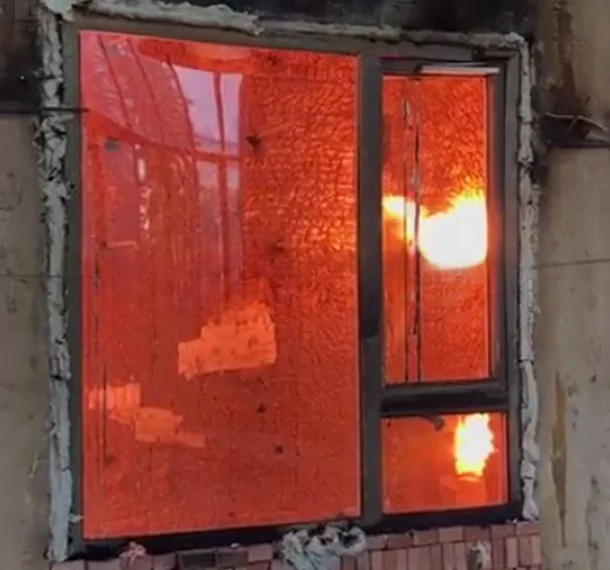
For structural demands specific to high-rise buildings in Kyiv, where deflection under fire load can reach up to 152 mm toward the furnace, the framing system plays a crucial role. Antifires utilizes G.M.S. hollow steel frames with fire-rated insulation boards (12–15 mm) and ceramic tape (density 210 kg/m³) to accommodate movement without compromising integrity. This combination has been validated in tests where surface glass cracks at 2–4 minutes but the assembly retains its seal for up to 120 minutes. The table below summarizes key product grades suitable for different project types:

Product Grade Integrity (min) Insulation (min) Recommended Application
10 mm FPOS 135 16 Corridor partitions, vision panels
28 mm EI60 66 64 Stairwell doors, emergency exits
50 mm EI120 120 120 High-rise compartment walls

This data-driven approach allows Kyiv specifiers to match product performance with the specific fire resistance period required by the building’s occupancy class, ensuring both safety and cost-efficiency.

Fire Rated Glass Applications in Kyiv’s Commercial and Infrastructure Projects

In Kyiv’s commercial and infrastructure sectors, fire rated glass is deployed across a wide spectrum of applications, each demanding a tailored solution. For modern office complexes and shopping centers, large-format glazed partitions often require EI 60 or EW 120 ratings to prevent radiant heat transfer while maintaining visual transparency. Antifires’ 26 mm door glass (5 mm + 5.5 mm gel + 5 mm + 5.5 mm gel + 5 mm), which achieves 89–90 minutes of integrity and 68 minutes of insulation, is ideal for high-traffic entrance systems where both aesthetics and life safety are paramount.

Infrastructure projects, such as Kyiv’s metro stations and transportation hubs, present unique challenges due to high occupant density and the need for robust compartmentation. Here, the 50 mm / 54 mm ultra-high-performance glass assemblies, certified for EI 120, provide a proven solution. These multi-layer insulated structures are tested under furnace pressures of 0 ±2 Pa and ambient temperatures of 27–36°C, replicating the extreme conditions of a fire event. The use of M6 / M8 anchor bolts at 300–600 mm spacing ensures secure attachment to concrete or steel substructures, a critical factor in seismic zones like Kyiv.

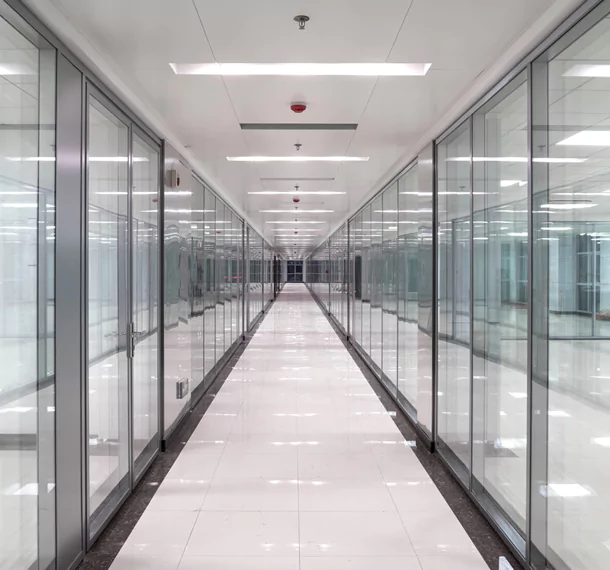
For healthcare facilities and educational institutions, where evacuation may be slower, the focus shifts to insulation performance. The 15 mm FPOS glass, with an insulation rating of 33–34 minutes, limits surface temperature rise on the unexposed side, protecting occupants during egress. By integrating these systems into fire partition solutions, architects can create safe, code-compliant environments that also support natural light and open-plan design. Each installation is backed by test data from BS EN 1364-1: 2015 and AS1530.4, ensuring reliability across diverse project scenarios.

Why Kyiv Specifiers Trust Antifires for Fire Rated Glass and Partition Systems

Kyiv specifiers consistently choose Antifires for fire rated glass due to the company’s unwavering commitment to certified performance and localized support. Every product, from the 6 mm E90 glass (integrity 90 minutes) to the advanced 28 mm EI60 panel, is tested under rigorous conditions using Type K thermocouples (9–12 channels) and up to 55 monitoring points on the unexposed surface. This data is compiled into clear test reports that satisfy the documentation requirements of the DSNS, eliminating delays in project approvals.

The trust extends to the technical guidance provided for installation. Antifires offers detailed specifications for frame assembly, including the use of intumescent fire seals (20 mm × 4 mm) and ceramic wool (3–6 mm thickness), which are essential for maintaining the assembly’s fire resistance during a real incident. For example, in a typical test, the inner glass layers may fall into the furnace at 2–6 minutes, but the sealant system prevents gap penetration, ensuring the barrier remains effective for the full duration. This level of engineering precision is why fire door systems from Antifires are specified for Kyiv’s most demanding projects.

Furthermore, the company’s global testing portfolio, which includes compliance with BS 476 Part 22, EN 1634-1, and ASTM E119, provides a multi-standard assurance that is rare in the industry. This breadth of certification means that whether a project requires E60, EI30, or EI120 ratings, the documentation is already prepared for Ukrainian regulatory review. For contractors and architects, this translates to reduced risk, faster timelines, and the confidence that their fire safety systems will perform as intended.

REQUEST A QUOTE

Fill the form below to get in touch with us.

click

Frequently Asked Questions (FAQ)

Yes, Antifires provides comprehensive documentation packages that include conformity certificates and detailed test reports aligned with DBN V.1.1-7:2016. Each product, such as the 10 mm FPOS or 28 mm EI60 panel, is tested according to EN 1363 and EN 13501 standards, with results clearly indicating the achieved E, EI, or EW classification. These documents are prepared in Ukrainian to facilitate seamless submission to the State Emergency Service of Ukraine (DSNS) during project approvals. The test data includes furnace pressure conditions (0 ±2 Pa) and maximum temperature rise limits (≤ 180°C), ensuring full traceability and regulatory acceptance for Kyiv construction projects.

Typical lead times for shipping EI 60 fire rated glass to a construction site in Kyiv range from 4 to 6 weeks, depending on order volume and customization requirements. Standard products, such as the 28 mm EI60 panel (6 mm + 5.5 mm gel + 5 mm + 5.5 mm gel + 6 mm), are often available for expedited dispatch within 2–3 weeks. Antifires coordinates with logistics partners to ensure safe transport of the multi-layer glass assemblies, which are packed with protective materials to prevent damage during transit. For urgent projects, direct consultation with the sales team can help prioritize production and shipping schedules to meet critical construction milestones.

Yes, Antifires can customize fire rated glass dimensions for retrofitting historic building facades in Kyiv’s central districts. The company’s engineering team works with project-specific measurements to produce non-standard sizes while maintaining certified fire performance. For example, the 21 mm FPOS or 15 mm FPOS glass can be cut and framed to fit existing openings, with adjustments to the G.M.S. hollow steel frames and ceramic wool seals (3–6 mm) to ensure a tight fit. Each custom assembly is backed by test data from BS 476 Part 22 and EN 1364-1, guaranteeing that the retrofitted facade meets both aesthetic preservation goals and modern fire safety standards.