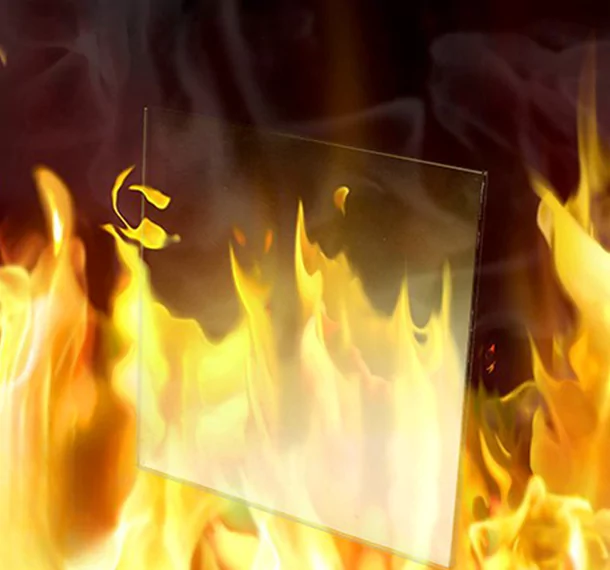
SINGLE LAYER FIRE-RATED GLASS
Learn more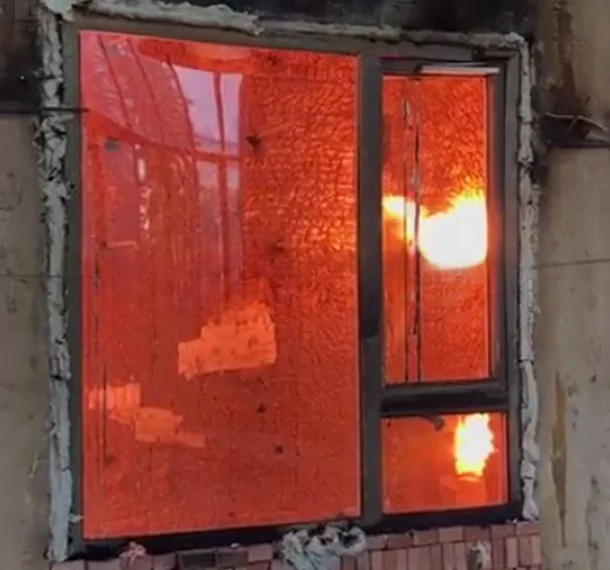
DOUBLE LAYERS FIRE-RATED GLASS
Learn more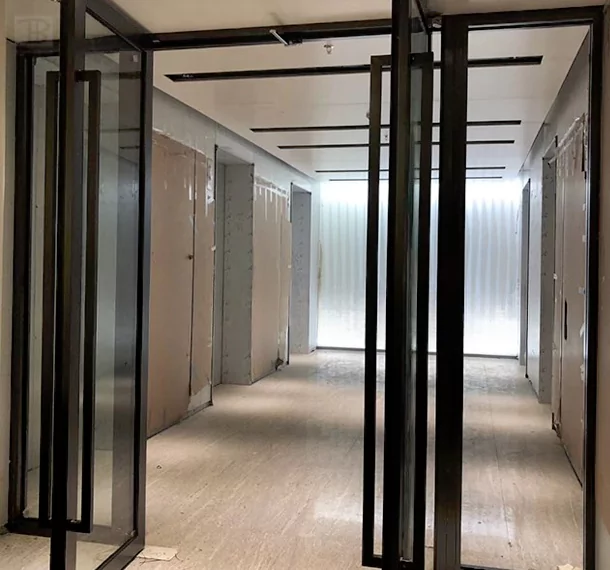
FIREPROOF GLAZING WINDOWS AND DOORS
Learn more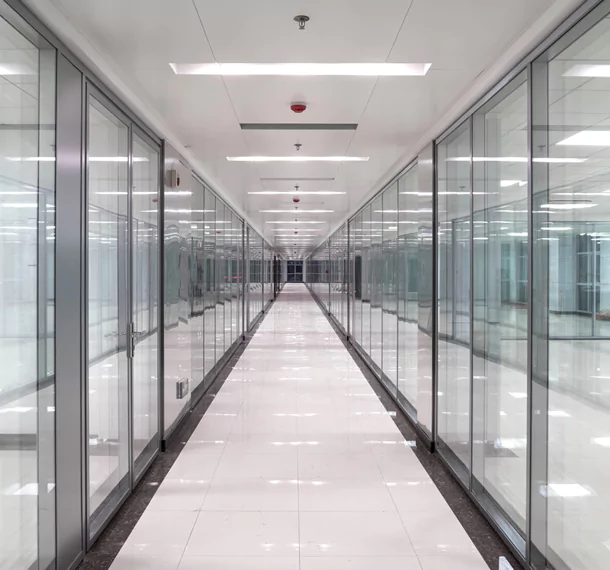
Fire rated glass is an essential component in modern construction and design, offering both safety and aesthetic appeal. the various ratings associated with fire resistant glass, namely e, ew, and ei ratings, is crucial for architects, builders, and designers who prioritize fire safety in their projects in Latvia.
The e rating signifies the glass's ability to prevent the passage of flames and hot gases. this rating is critical in areas where fire containment is paramount. the ew rating takes it a step further by not only preventing flame propagation but also limiting heat transfer to a degree that protects individuals from burns on the unexposed side of the glass. the ei rating indicates that the material can maintain its integrity under heat exposure while providing thermal insulation as well.
These classifications are vital as they guide professionals in selecting appropriate materials for specific applications within buildings. fire performance ratings ensure that structures comply with safety regulations while also meeting design intent.
The benefits of using fire rated glass extend beyond compliance; they enhance architectural beauty without compromising on safety. fire rated glass allows natural light to permeate spaces while providing clear sightlines for occupants. it contributes to energy efficiency by reducing reliance on artificial lighting during daylight hours in Latvia.
Incorporating fire rated glass into construction designs not only safeguards lives but also elevates aesthetic value—making it a wise choice for modern architectural endeavors. as we continue to innovate within our built environments, appreciating the role of fire rated materials becomes increasingly important in creating safe yet inspiring spaces.
Fill the form below to get in touch with us.
Fireproof glass has long been considered an integral element in construction and fire safety, playing an indispensable role in safeguarding structures and lives alike. Engineered specifically to withstand extreme temperatures, it acts as an effective barrier against flame spread while providing crucial fire protection during emergencies. By incorporating specific materials and design features, it provides an essential line of defense, limiting fire spread while safeguarding occupants during emergencies.
Fire-rated glass offers increased clarity for observation in case of fire, providing emergency responders with enhanced visibility to assess and conduct rescue operations effectively. This increased visibility is invaluable when responding to an incident or crisis situation.
Fire-rated glass also contributes to overall structural integrity by adhering to stringent industry codes, meeting stringent fire resistance and durability requirements, and contributing to overall structural integrity.
Heatproof Glass: Protecting Lives and Property
Nowadays, safety is of utmost importance and fire resistant glass plays an integral part in securing both lives and property. With its ability to withstand extreme temperatures, fire resistant glass has the capability of acting as a deflector against flames and heat - providing architects and engineers with tools for creating robust structures with minimal risk of loss in an event of fire - from windows and doors to walls and partitions, fire resistant glass offers invaluable protection in giving occupants time to safely evacuate their homes safely before the flames arrive.
Fire-retardant glass also contributes to overall building efficiency by insulating against heat transfer, helping reduce energy consumption while creating a more comfortable living space for its inhabitants. As fire safety regulations become more stringent, demand for fire resistant glass remains strong - solidifying its position as an essential component in modern construction projects.
Fire Protection Glass in Emergencies
Every second counts during an unexpected fire emergency. Structures are constructed with multiple layers of defense to safeguard occupants against flames and heat; one such component is fire protection glass - which provides an impenetrable barrier that effectively contains an expanding flame from spreading further and gives valuable time for escape.
Fire protection glass is manufactured using unique compounds that resist high temperatures, keeping its structure intact even under intense heat while providing a safe barrier. Furthermore, its ability to limit fire spread allows more rapid firefighting efforts.
Furthermore, fireproof glass often boasts triple glazing for added protection by trapping air between its panes to act as an insulator and further decrease heat transfer while creating a safe environment.
Fire protection glass is known for both its fireproofing properties and transparent qualities; this allows natural light to pass through while still offering essential safety protection, making it a highly valuable material choice for windows, doors and other applications where both aesthetics and safety must be considered equally.
Fire protection glass stands as an example of human ingenuity in times of potential threat, providing peace of mind and providing assurance in times of emergency.
Anti-fire glass can provide your property with crucial defense against fire's damaging effects, acting as a reliable barrier against flames and heat. By adding anti-fire glass into doors and cabinets you can significantly increase safety for loved ones and possessions alike.
Integrating fire safety into contemporary architectural designs requires finding innovative solutions that don't sacrifice aesthetics. Fireproof glass, fire-resistant glazing and flame retardant glazing have become essential components, providing clear views while ensuring structural integrity during a fire. Specialized materials advanced glass types cutting-edge glazing technologies designed to withstand extreme temperatures can slow or prevent flame spread, giving valuable time for evacuation or firefighting efforts.
Modern architects increasingly employ fireproof glass in various applications, such as skylights, curtain walls and internal partitions. Its transparency preserves a building's visual aesthetic while providing crucial fire safety measures. Furthermore, fire-resistant glass meets strict building codes and regulations, giving both designers and occupants peace of mind.
Modern structures often incorporate fireproof glass for stunning visual effects while prioritizing safety.
Fire-resistant glazing and panels as well as other combustible barrier materials are essential in helping maintain structural integrity during a fire incident.
Specialized glass manufacturers and leading glass suppliers continue to push the limits of fireproof glass technology, offering increasingly reliable and adaptable solutions.
Fire-Resistant Glazing Systems
Fireproof glazing systems play an essential role in safeguarding buildings from the devastating effects of fire, using special glass materials and framing components that withstand high heat levels to limit flame spread and gass release, helping ensure occupant safety as well as safeguarding valuable assets.
There are various kinds of fireproof glazing systems on the market today, each with its own set of properties and capabilities. Common materials used include tempered glass, laminated glass, fire-rated glass Latvia and ceramic-based glazes.
Selecting the appropriate fire-resistant glazing system depends on various variables, including building height, intended use and local building codes.
Fire-Resistant Glass
Fireproof glass plays an integral part in maintaining safety during emergencies. Engineered to withstand intense heat for an extended period, fireproofed glasses help stop flames from spreading rapidly across a room or facility.
Fire-rated glass technology relies on a carefully chosen combination of materials and architecture to achieve desired safety ratings.
Fire-resistant glass may feature an inset ceramic or material layer, which melts at higher temperatures to form an impermeable seal and prevent heat and flame transmission.
Other varieties of fireproof glass employ special films which reflect energy efficiently back, increasing its fireproof rating while strengthening its defensive ability in times of peril.
Fire-resistant glass is an intricate science, involving an intricate marriage between materials and design.
Fire-Protection Glass: A Comprehensive Guide
Fireproof glass plays an invaluable role in safeguarding lives and property during emergencies, manufactured with unique properties for maximum fireproofing protection. A deeper understanding of its various forms is key to making effective decisions concerning fire safety.
Strengthened glass, laminated glass and wire mesh-reinforced glass are among the more commonly utilized varieties, each possessing distinctive properties designed to meet specific fire protection demands.
Selecting Fire Rated Glass Fire safety should always be at the forefront of every building, and selecting fire-rated glass Latvia can make a critical difference in fire prevention measures.
Fire-proof glass has been specially engineered to withstand the intense heat generated by a fire, providing vital protection to both people and property alike.
Fireproof glass comes in different varieties, each offering their own distinct properties. When making your selection, be mindful of all requirements related to your project such as duration of fire resistance needed, size/location/design considerations etc. These all help determine which fireproof glass option would be the most suitable one.
Consultations with a certified fire safety expert can assist in selecting the ideal fireproof glass product for your circumstances.
Fire Resistant Glass: Case Studies Demonstrate Its Real World Impact
Fire resistant glass has become an indispensable component in various architectural and industrial structures, so understanding its true potential requires studying case studies that highlight its success in real-life settings.
One notable instance is the installation of fireproof glass in high-rise buildings, providing protection from ignition during emergencies and providing crucial protection from spread.
Industrial settings frequently rely on fireproof glass to build safety barriers around hazardous equipment, reducing risks of accidents or destruction and protecting workers and assets from injury or disaster.
These case studies illustrate how fireproof glass can provide reliable protection for people, property, and assets. By studying real world examples we can gain more knowledge on its advantages. By understanding more fully its significance we can better incorporate fire resistant glass into designs.
Safeguarding Lives and Property: The Importance of Fire Protection Glass Its Fireproof glass plays an essential role in safeguarding lives and property during a fire emergency. Traditional glass can easily shatter under heat from flames, while fire-resistant glasses act as barriers, delaying their spread for an extended period allowing firefighters to extinguish it more safely while providing valuable time for evacuation of occupants safely. By investing in fire protection glass building owners demonstrate their dedication to safety and peace of mind.
Fire protection glass can help control smoke and heat emissions to create a safer environment for rescue operations, meeting building codes and regulations while meeting safety standards.
Selecting the appropriate type of fire protection glass for your specific needs is of utmost importance. There are various kinds of glass available, each providing different levels of fire resistance; consulting a qualified fire protection expert is recommended in order to select an option most suited to your building and intended usage.
When it comes to fire-rated glass Latvia , showcasing successful projects can provide valuable insights into its practical applications and aesthetic appeal. Let's explore three notable projects where fire-rated glass Latvia was effectively utilized as glass doors or walls:
1. Project Name: InnovateHub Office Renovation_
- Effect: By incorporating fire-rated glass walls in the office layout, the space achieved a modern and open feel while ensuring safety compliance in Latvia.
2. Project Name: Luxury Hotel Lobby Redesign_
- Effect: The use of fire-rated glass doors not only enhanced the luxurious ambiance of the lobby but also provided a transparent barrier for added security.
3. Project Name: Tech Company Headquarters Expansion_
- Effect: Integrating fire-rated glass partitions facilitated natural light flow throughout the workspace, promoting a collaborative environment while meeting stringent safety standards.
These projects exemplify how fire-rated glass can be seamlessly integrated into diverse architectural designs to achieve both functionality and aesthetic allure.
Our Location in Latvia:Miesnieku iela 4, Centra rajons,Latvia,Latvia
VIDRO À PROVA DE FOGO Diadema
ОГНЕЗАЩИТНОЕ СТЕКЛО Тольятти
防火ガラス 東村山
VIDRIO RESISTENTE AL FUEGO San Pedro Carcha
زجاج مقاوم للحريق عنابه
FIRE-RATED GLASS Myanmar
VERRE COUPE-FEU Lubumbashi
FIRE-RATED GLASS Cambodia
