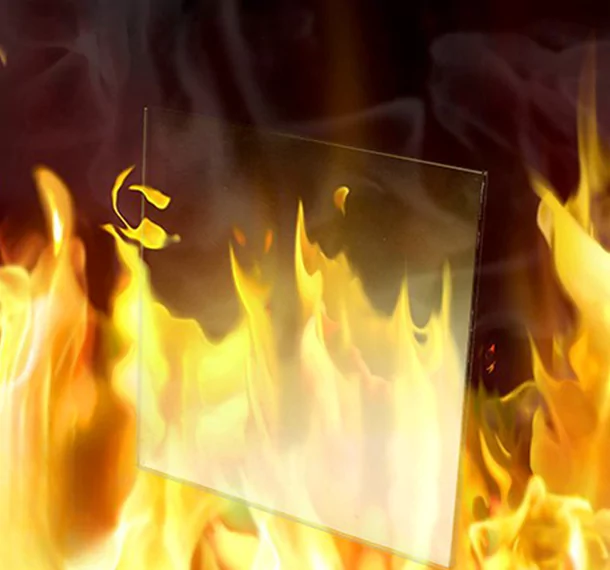
SINGLE LAYER FIRE-RATED GLASS
Learn more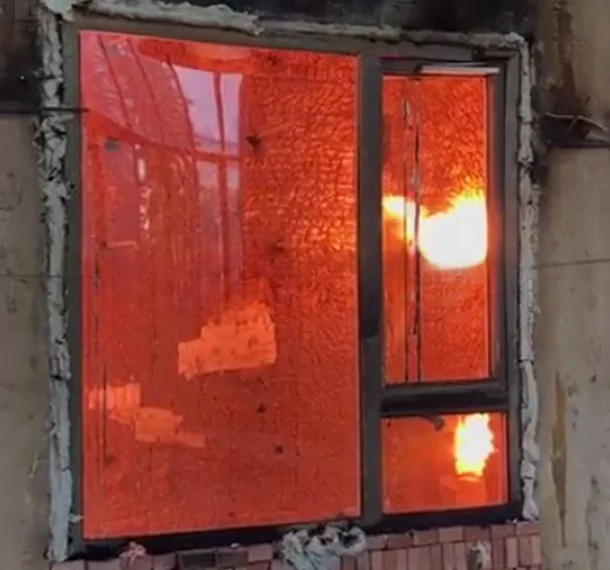
DOUBLE LAYERS FIRE-RATED GLASS
Learn more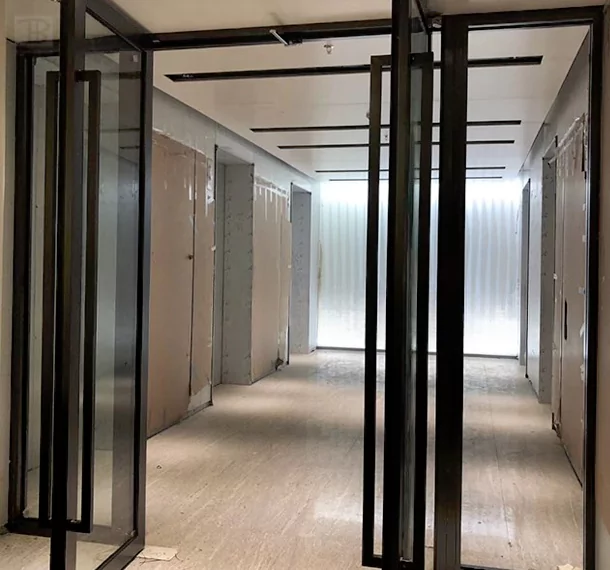
FIREPROOF GLAZING WINDOWS AND DOORS
Learn more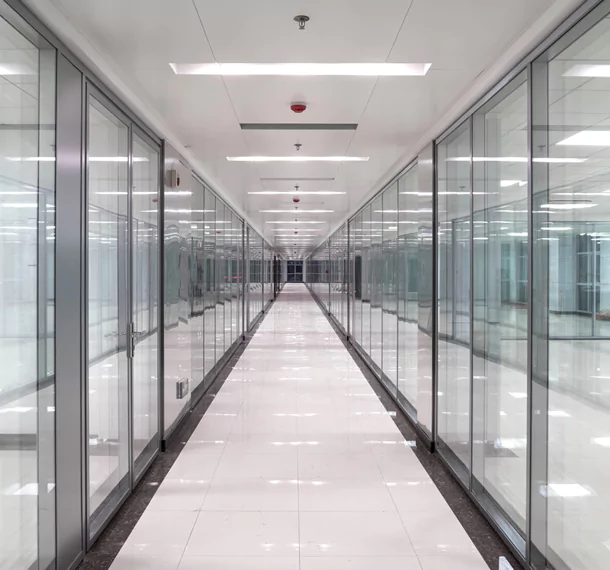
Fire rated glass plays a critical role in the safety and design of modern buildings. it is essential to comprehend the various classifications of fire resistant materials, particularly the e, ew, and ei ratings that determine their effectiveness in fire scenarios. these ratings provide valuable insights into how fire rated glass can be utilized to enhance safety while maintaining aesthetic appeal in Malta.
The e rating signifies that the glass can withstand exposure to fire without allowing flames or hot gases to pass through. this rating is crucial for preventing the spread of fire from one area to another within a structure. the primary function of e rated glass is to maintain integrity during a fire event, thus protecting occupants and property.
The ew rating, on the other hand, indicates that the glass not only meets the criteria for an e rating but also offers limited radiation control. this means that it can withstand flames while restricting heat transfer through radiant energy. the ew classification is particularly beneficial in applications where visibility is necessary alongside fire protection—such as in partitions or doorways—allowing light transmission while still providing a barrier against heat and flames.
The EI rating encompasses both integrity (e) and insulation properties (i). this dual capability ensures that not only does it prevent flames from passing through but also significantly reduces heat transfer on its non-fire side. EI rated glass is ideal for environments where prolonged exposure to high temperatures could pose serious risks; thus, it provides an additional layer of security by ensuring that adjacent areas remain cooler during a fire incident in Malta.
These ratings facilitates informed decisions regarding material selection in construction projects. it allows architects and builders to design spaces with appropriate safety measures tailored to specific requirements dictated by building codes and regulations.
Incorporating fire rated glass into building designs presents numerous advantages beyond mere compliance with safety regulations. one significant benefit lies in its ability to offer transparency without compromising safety standards. in commercial spaces such as offices or retail establishments, maintaining visibility between different areas enhances communication while ensuring compliance with necessary safety protocols.
Utilizing fire rated glass helps optimize natural light within interiors—a crucial factor for promoting well-being among occupants. natural light contributes positively to productivity levels; therefore, integrating such materials allows designers to create open spaces that are both aesthetically pleasing and functionally safe.
Another advantage stems from sustainability considerations associated with modern construction practices. fire rated glass often features energy-efficient properties which contribute towards reducing overall energy consumption within buildings. by minimizing reliance on artificial lighting during daylight hours due to improved light transmission capabilities—architects can create eco-friendly structures designed for longevity.
Additionally, advancements in technology have led manufacturers toward developing innovative solutions featuring enhanced aesthetics combined with robust performance characteristics inherent within these specialized materials—offering designers an array of options suitable for diverse architectural styles ranging from contemporary minimalism through traditional elegance.
Furthermore—given growing concerns surrounding urbanization—it’s imperative we consider how effective design strategies influence community resilience when faced with emergencies like fires or natural disasters alike; thus emphasizing why integrating high-quality products like certified fire-rated glazing should become paramount priorities among industry professionals striving towards creating safer environments conducive toward thriving communities!
In conclusion—the integration of e-rated,ew-rated,and ei-rated glasses into construction projects provides unparalleled benefits encompassing enhanced safety measures along with visual appeal whilst promoting sustainable practices aimed at improving occupant experiences across various sectors!
Fill the form below to get in touch with us.
Fire-rated glass is an essential role in safeguarding structures from the devastating effects of fire, providing critical time-saving properties against flame spread and heat build-up in emergencies.
Glass designed with special materials and construction techniques that prevent heat and flame transference is used as a protective barrier. Due to its durability, it can withstand high temperatures without cracking or shattering, maintaining its integrity even under extreme circumstances.
Flameproof Glass: Securing Your Construction
Fire resistant glass provides essential protection in building materials, serving as an invaluable barrier against flames and smoke during an inferno. Installing fire resistant glass strategically throughout a structure can significantly enhance its security, mitigating risk while safeguarding its inhabitants and their well-being.
Consider installing fire resistant glass into windows, doors, and partitions as a powerful defense against fire. This special material helps reduce flame spread while providing time for evacuation.
Enhance the structural integrity of your building by installing fire resistant glass in key locations.
Safety Glass: Peace of Mind In today's world, safety is of the utmost importance for both residential and commercial buildings alike. Protecting loved ones and assets against potential hazards is paramount. Fire Protection Glass can play an invaluable role in providing extra layers of defense against fire - this specialized type is engineered to withstand extreme temperatures so occupants have more time to evacuate safely before the rapid spread of flames becomes too great to control.
Installed properly, fire protection glass acts as a shield that keeps heat and flames at bay - effectively isolating an area from fire and slowing its spread until firefighters can arrive and extinguish it before it causes widespread damage.
Fire protection glass plays an essential role in maintaining structural integrity during a fire, by helping to prevent collapsed walls and ceilings from collapsing during an outbreak. Furthermore, its enhanced visibility enables firefighters to quickly locate victims while maneuvering safely through smoke-filled environments.
Fire protection glass is an investment in safety that will bring peace of mind for both building occupants and contractors. Make your next renovation or construction project safer for everyone by including this essential component into its design plan.
Anti Fire Glass Engineered for Fire Resistance
Anti fire glass can provide invaluable fire safety in situations requiring exceptional fire safety. This specialized type of glass has been specifically developed to withstand the intense heat and flames produced by a fire, offering essential protection to properties. Composition usually includes materials like ceramic fibers or intumescent coatings which expand when exposed to heat, creating an insulating layer against its spread.
Anti fire glass is widely utilized as part of fire-rated partitions, windows in commercial structures, and safe passageways. Its ability to limit fire spread provides valuable time for people and property to escape safely before it spreads further.
Specialized Glass Enhances Fire Performance Building safety is of utmost importance and fire resistance is crucial. Specialized glass plays an integral part in improving fire performance. These innovative materials are specifically crafted to withstand extreme temperatures, providing an effective defense against fire propagation. Their exceptional thermal properties minimize heat transference thereby protecting structures and their occupants. Specialized glass often incorporates intricate designs that further increase its fireproof capabilities, such as multi-layered construction and fire-retardant coatings; architects and engineers can take advantage of such advanced solutions by including them into various projects ranging from high-rise buildings to industrial facilities.
Understanding Fire-Resistant Glazing in Construction
Adherence to building codes is paramount to ensure safety and structural integrity when building structures, but one aspect often neglected in selecting fireproof glazing materials can often go overlooked: selecting fire-rated glazing panels designed to withstand intense fire exposure for predetermined amounts of time thereby effectively containing flames from spreading further. Building codes specify this material use for exterior walls, interior partitions separating compartments, escape routes as well as escape routes. When making decisions based on occupancy type, construction material used, local regulations etc, when selecting fireproof glazing materials it can have long-term impacts.
Compliance of Heat Transfer Characteristics.
Glazing Types
Understanding fireproof glazing requirements and selecting suitable materials are integral parts of constructing safe and compliant buildings. Consulting with qualified professionals such as architects, engineers, or fire safety specialists can ensure proper integration of fireproof glazing into your design plan.
Understanding Fire Resistance Ratings in Glass
Fire resistance ratings measure how long glass products can withstand high temperatures without allowing flames or heat penetration, providing vital protection from fire spread and aiding safe evacuation in emergencies. Glass with higher fire resistance ratings offers greater protection, giving occupants more time for escape; flame-resistant glass often finds use as exit doors to add an additional level of safety; knowing these ratings is crucial when selecting glass products for construction projects.
Fire Glass Usage: Blending Beauty and Protection
Modern fireplace enthusiasts seeking a safe alternative have turned to fire glass as an elegant solution. Crafted from tempered glass pieces, fire glass displays vibrant hues when heated compared to wood logs or burning coals; also offering reduced risk of sparks or embers when lit, making for an enjoyable ambiance and experience.
Fire glass's appeal lies in its adaptability; it fits effortlessly into a variety of outdoor and indoor designs from modern fire pits to rustic settings, adding both visual appeal and safety.
Fire glass is easy to maintain, only needing periodic removal of debris to maintain its radiant beauty and safety. Because of these features, homeowners looking to increase both the visual impact and safety of their outdoor living spaces often opt for fire glass as an aesthetic enhancement option.
Understanding Fire-Retardant Glass
Fireproof glass plays a pivotal role in building safety, shielding against the spread of fire and heat through its composition and structure. Creators use various techniques to enhance this material's capacity for resisting ignition and thermal conduction - one approach is embedding particles of flameproof substances within its matrix to act as obstructions to heat flow, effectively restricting its advancement.
Temperature change is another important characteristic of fireproof glass, designed to minimize expansion during ignition and therefore avoid shattering under extreme circumstances. Some types of fire-resistant glass also utilize film layers that further block heat penetration for added resilience against penetration from heat sources - this integrated approach makes fire-resistant glass an indispensable element of building safety and occupant protection.
Finding the Right Fire-Rated Glass for Your Needs When it comes to protecting against fire, selecting fireproof glass is of utmost importance. These solutions act as a critical barrier against flame spread and provide valuable time for evacuation.
There are various kinds of fireproof glass available, each offering specific benefits. When making the decision about which fireproof glass type to select for your project, make sure that you consider factors such as its purpose, degree of protection required, and aesthetic appeal as a factor.
By consulting a qualified engineer, it's easier than ever to identify the optimal fireproof glass option for your needs.
Transparent Fire Protection with Fire-Glass Transparent fire protection needn't be inaccessible. Enter fire-glass, a revolutionary material which offers unbeatable visibility while effectively subduing flames. Perfect for modern building designs allowing natural light to filter through while providing safety and peace.
Fire-glass is distinguished by its ability to deflect heat energy and stop fires in their tracks by acting as a protective barrier from flames, keeping them away from combustible materials that might otherwise ignite. Due to these characteristics, it makes an invaluable component in building flameproof structures.
Fire-glass is highly resilient and weather-proof, which makes it suitable for use in multiple applications ranging from windows and doors to skylights and facades.
Fire-glass is a cutting-edge innovation in fire protection technology, offering both safety and aesthetic value.
In the world of architecture and design, fire-rated glass Malta has become a crucial element for safety and aesthetics. Let's explore three successful projects where fire-rated glass Malta was expertly incorporated, enhancing both functionality and style in Malta.
1. Project Name: Skyline Office Tower_
Effect: The use of fire-rated glass doors in the lobby area not only met safety regulations but also added a touch of modern elegance to the space. The transparency of the glass allowed natural light to flow through, creating a welcoming atmosphere for visitors and employees alike.
2. Project Name: Zenith Hotel Renovation_
Effect: By installing fire-rated glass walls in key areas of the hotel, such as conference rooms and corridors, the designers were able to maintain an open feel while ensuring compartmentalization in case of emergencies. The sleek design of the glass walls added a contemporary flair to the traditional hotel setting.
3. Project Name: Innovate Tech Campus_
Effect: Utilizing fire-rated glass partitions throughout the office spaces offered both privacy and safety without sacrificing connectivity between departments. The seamless integration of these glass walls fostered collaboration among employees while meeting stringent fire safety standards.
These projects exemplify how fire-rated glass can be creatively used in architectural design to achieve functional efficiency alongside visual appeal.
Our Location in Malta:Malta,Malta
زجاج مقاوم للحريق Médenine
زجاج مقاوم للحريق مراكش
FIRE-RATED GLASS Lagos
FIRE-RATED GLASS Hammersmith and Fulham
VERRE COUPE-FEU L’Adzope
FIRE-RATED GLASS Hertfordshire
BRANDWEREND GLAS Gent
FIRE-RATED GLASS Nangarhār
