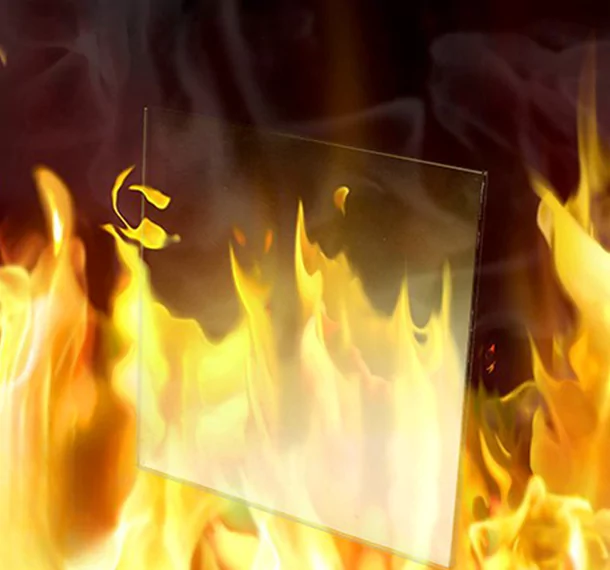
SINGLE LAYER FIRE-RATED GLASS
Learn more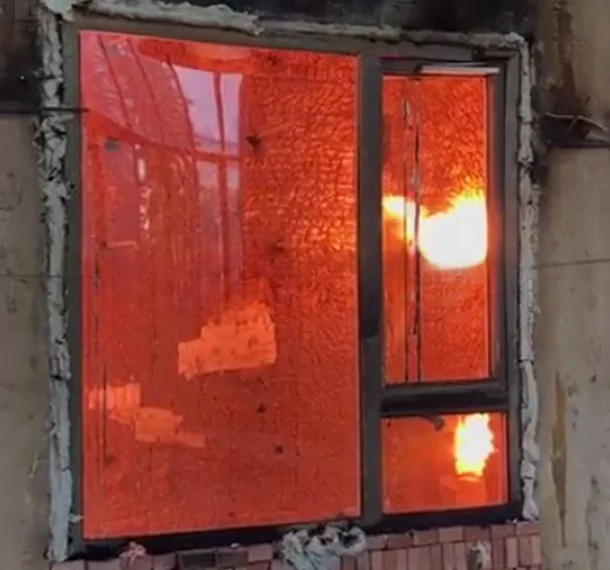
DOUBLE LAYERS FIRE-RATED GLASS
Learn more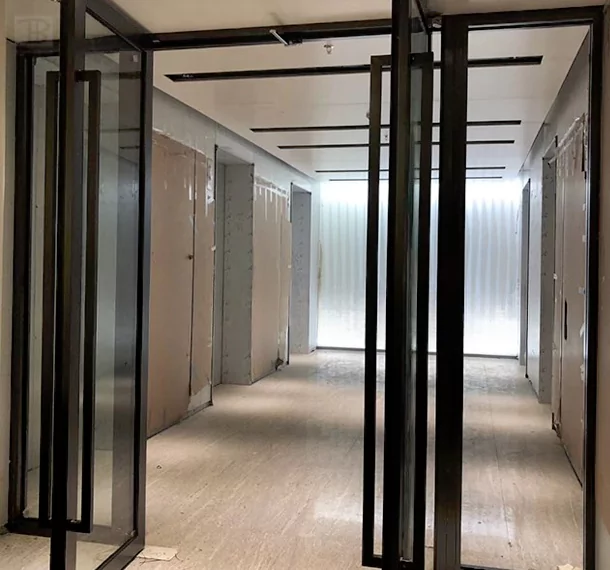
FIREPROOF GLAZING WINDOWS AND DOORS
Learn more
Fire rated glass plays a crucial role in enhancing safety and compliance within buildings. central to its effectiveness are the classifications of e, ew, and ei ratings, which provide insight into the glass's fire performance capabilities in New Zealand.
The e rating signifies that the glass can withstand flames while preventing them from passing through. this rating is critical for areas where fire containment is essential. in contrast, the ew rating indicates that the glass not only restricts flames but also protects against heat transfer to some degree—this is particularly valuable in spaces requiring both visibility and protection from fire hazards.
An ei rating represents a higher level of performance by combining both e and w characteristics with thermal insulation properties. this means that ei-rated glass can effectively prevent flames from penetrating while also limiting heat transfer during a fire incident. these classifications helps architects and builders select appropriate materials for their projects to ensure maximum safety.
Incorporating fire rated glass into construction offers numerous benefits beyond mere compliance with safety regulations. one of the primary advantages is enhanced safety; this type of glass serves as a barrier against flames and smoke infiltration, protecting occupants during emergencies in New Zealand.
Additionally, fire rated glass boasts impressive thermal insulation properties, contributing to energy efficiency within buildings. it helps maintain comfortable indoor temperatures while minimizing energy consumption—an essential factor in sustainable design practices.
Aesthetic value cannot be overlooked either; modern fire rated glass options are available in various styles and finishes that seamlessly blend with architectural designs without compromising safety features. this versatility allows designers to create visually appealing spaces that prioritize occupant safety while adhering to building codes.
The applications for fire resistant glass span across multiple industries due to its unique properties. in commercial settings such as offices or retail spaces, it is often used in partitions or windows where visibility is necessary but must be balanced with safety concerns.
In residential construction, homeowners increasingly opt for fire rated glazing solutions around fireplaces or kitchen areas where open flames may pose risks. furthermore, educational institutions utilize this type of glazing for classroom doors or hallways to enhance security measures without sacrificing light flow.
Healthcare facilities also benefit significantly from incorporating fire resistant glass into their design; it allows natural light into patient rooms while providing essential barriers against potential fires—crucial for protecting vulnerable populations within these environments.
Overall, the versatility of fire rated glass makes it an invaluable asset across various sectors aiming for both functionality and aesthetic appeal while prioritizing safety standards in their designs.
Fill the form below to get in touch with us.
Fireproof glass panels are an essential component in building construction, offering crucial protection from flame spread. Constructed using unique materials and constructions designed to withstand intense heat while effectively controlling fire propagation, these special panels play an integral part in safeguarding lives and property during an outbreak.
Protecting Life and Property Its Fire resistant glass serves as a vital safeguard against fire's destructive potential, providing essential time for evacuation as it helps slow its rapid spread. By blocking both heat transfer and flame transmission, fire resistant glass plays an integral part in saving lives while mitigating property damage in residential as well as commercial structures alike. Offering peace of mind during emergency situations.
Fire-Resistant Glazing: Constructing Safer Environments
Modern structures place great importance on safety. Architects and engineers prioritize using materials that can withstand various hazards, such as fire. Safety glazing plays an integral role in maintaining structural integrity during an inferno; its special properties enable it to limit flame spread and heat transfer while giving valuable time for escape and mitigating damages.
Flameproof coatings applied to glass surfaces create an effective defense against high temperatures. Utilizing fire protection glass in walls, windows and doors can significantly enhance structural integrity in buildings.
Building codes often mandate fireproof glazing in hazardous locations to protect public safety.
By applying advanced engineering and materials, fire protection glass contributes to building safer and more resilient structures, protecting lives and property in case of disasters.
Transparent Defense against Flame Spread
Anti fire glass provides a transparent defense against rapid flame propagation. Constructed from specially treated materials, this creation keeps heat out by blocking its passage through its structure thereby restricting fire's reach. When integrated into building facades or windows, anti fire glass provides vital protection from fire that protects lives and assets while remaining visible while offering robust fire resistance.
Fire-Resistant Glass: An Essential Barrier during Crises
In the event of a fire, quick and effective separation is key to safeguarding lives and assets from being lost or damaged. Fireproof glass plays an integral part in this process by providing essential protection from intense heat and flames that could spread rapidly, serving as a vital dividing line to stop their path forward. Designed specifically to withstand extremely high temperatures without cracking under pressure, fireproof glass serves to block these paths between rooms thereby effectively stopping conduction from one area to another thereby protecting lives and assets alike from further fire spread between areas.
This remarkable material not only serves as a powerful barrier, but its transparent surface also permits safe evacuation and provides invaluable situational awareness during emergencies.
Fireproof glass is widely utilized as part of fire-rated doors, windows, and partitions in facilities such as hospitals, schools, and data centers to safeguard both occupants and valuable equipment from potential danger.
Fireproof glass windows can make an important contribution to a building's overall structural integrity by offering extra support during a fire event.
Finding the Appropriate Fire-Resistant Glass
When faced with fire protection needs, finding suitable fireproof glass becomes critical. Carefully consider your individual requirements based on factors like intended purpose, level of protection required and aesthetic preferences in making an appropriate selection.
Fire-resistant glass comes in various varieties, each offering unique properties. Tempered glass, known for its strength and ability to withstand high temperatures, is one popular option, while laminated glass with its polyvinyl butyral interlayer provides additional protection against heat transference and breakage.
Consult a qualified professional to identify the ideal fire-resistant glass solution for your specific circumstances, ensuring it adheres to relevant safety and fire standards.
Understanding Fire Ratings for Glass Applications When selecting glass for building projects, fire ratings must always be taken into consideration. Fire ratings reflect how safe a particular type of glass is against heat. They're determined through rigorous standardized tests that simulate real world fire conditions; knowing their score allows architects, engineers, and builders to make more informed decisions regarding which is the most suitable glass product.
Fire ratings depend on factors like the size and composition of glass panels, interlayer type, and characteristics of fire tests. Some types of fire-rated glass New Zealand may withstand temperatures for extended periods while others can control flame spread or prevent flames from traveling through them.
Fire ratings typically consist of EI, UL and ANSI classifications. Fireproof glass products such as windows, doors, partitions and skylights may all feature fire-retardant properties.
Before installing or selecting fireproof glass for any project, it is advisable to seek advice from a fire safety professional. The Science Behind Fire-Rated Glass Performance Fireproof glass plays an essential part in fire safety by slowing the spread of flames and heat.
Fire-rated glass achieves its performance thanks to the unique materials and construction methods employed during its creation. Fireproof glazing typically comprises multiple layers of glass layered together with fire-retardant membranes that swell when exposed to heat, creating an efficient barrier that effectively mitigates fire and heat transmission.
Thickness and composition of these layers are carefully determined based on their required fire rating, which states how long a glass product can withstand being exposed to high temperatures.
Additionally, glass designs incorporate additional factors such as surface coatings and structural reinforcement to increase fire-resistance capabilities.
Implementing Fire-Resistant Glass Installations
Effective fireproof glass installations require an in-depth knowledge of both building codes and industry best practices. Consult relevant standards like NFPA 80 or UL 10C to confirm that the chosen glass type meets its required fire resistance rating, while setting proper installation methods can prevent gaps and ensure continuous fire barriers. Skilled glazing contractors possess expertise to select appropriate materials like intumescent seals or fire-proof frames that enable flawless installations.
Introduce a comprehensive inspection process to verify the integrity of fireproof glass systems. Maintain regular checks for signs of wear or deterioration to detect any issues before making decisions based on them.
Cutting-Edge Designs Utilizing Fire Protection Glass
Fireproof glass has come a long way since its traditional purpose of protecting against flames. Now architects and designers are using it in creative designs that go far beyond protecting against flames; architects are harnessing it as a versatile material to build stunning structures with aesthetic and functional components such as shimmering curtain walls with panoramic views while remaining safe, to intricate partitions that divide spaces while adding security - the options truly are limitless!
Innovative applications may include:
* Integrating fire-resistant glass into skylights to provide interior spaces with natural lighting while mitigating fire risks is a great way to fill spaces with natural illumination while mitigating risk.
*Creating striking facades that combine glass transparency with strong fire protection measures to make buildings truly stand out in urban landscape.
* To create versatile interior spaces, use fireproof glass partitions to divide zones without hindering natural light flow.
These innovative designs show how fire protection glass is more than a necessary safety feature; it can also serve as a valuable asset in creating eco-friendly environments that are both safe and inspiring.
Innovation Pushes Fire Safety Forward
Innovation is constantly revolutionizing fire safety solutions, offering unprecedented levels of protection. One such breakthrough has been advanced fire-resistant glass - offering unprecedented levels of protection from flames and heat over extended periods, providing crucial barriers against their spread while providing safer living spaces for occupants.
Advanced fireproof glass often features coatings designed to limit heat transmission, helping prevent sudden temperature increases within buildings.
Therefore, its properties make it the ideal material to use in key areas like windows, doors and firewalls, where fire protection is of utmost importance.
As fire safety evolves, newer forms of glass fireproofing present exciting prospects for our quest for a safer world. Researchers are constantly working on finding ways to expand its boundaries of performance - becoming a vital component in the quest to make it safer.
When it comes to fire-rated glass New Zealand , its versatility and safety features make it a popular choice for various architectural projects. Let's explore three successful projects where fire-rated glass New Zealand was used effectively:
1. Project Name: The Crystal Palace_
- Glass Doors: Fire-rated glass doors were incorporated throughout the building in New Zealand.
- Effects: The use of fire-rated glass doors not only enhanced the aesthetic appeal of the space but also provided crucial safety measures in case of emergencies.
2. Project Name: Riverside Innovation Center_
- Glass Walls: Fire-rated glass walls were installed to create open and well-lit workspaces.
- Effects: The utilization of fire-rated glass walls allowed natural light to flow freely while ensuring compliance with safety regulations, creating a modern and secure environment for occupants.
3. Project Name: Urban Oasis Mall Renovation_
- Glass Doors & Walls: Fire-rated glass doors and walls were integrated into the design scheme.
- Effects: By incorporating fire-rated glass elements, the project achieved a balance between safety and aesthetics, offering both protection from potential hazards and an inviting shopping experience for visitors.
These projects showcase how fire-rated glass can be seamlessly integrated into architecture to not only provide safety measures but also elevate the overall design aesthetic.
Our Location in Zealand:New Zealand,Zealand
VIDRIO RESISTENTE AL FUEGO Colón
VIDRIO RESISTENTE AL FUEGO San Leandro
FIRE-RATED GLASS Gauteng
방화 유리 송남
VIDRO À PROVA DE FOGO Serra Talhada
VIDRO À PROVA DE FOGO Cubal
YANGINA DAYANIKLI CAM Kızıltepe
زجاج مقاوم للحريق إد دامازين
