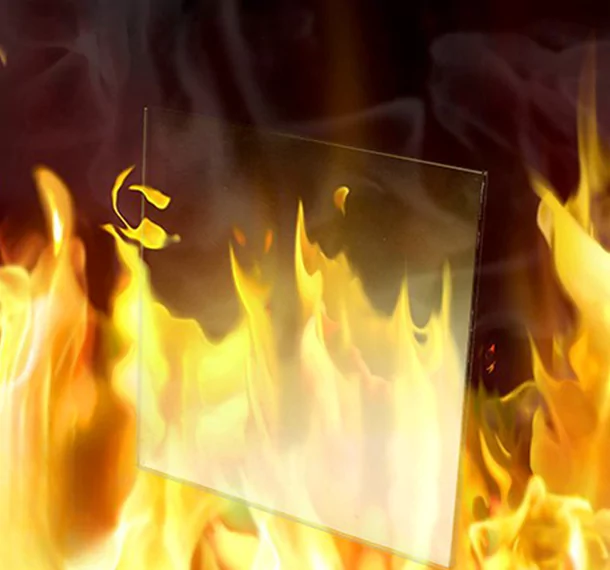
SINGLE LAYER FIRE-RATED GLASS
Learn more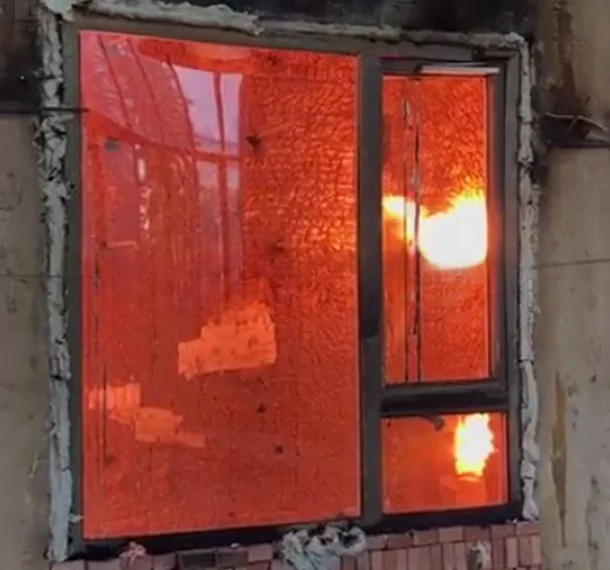
DOUBLE LAYERS FIRE-RATED GLASS
Learn more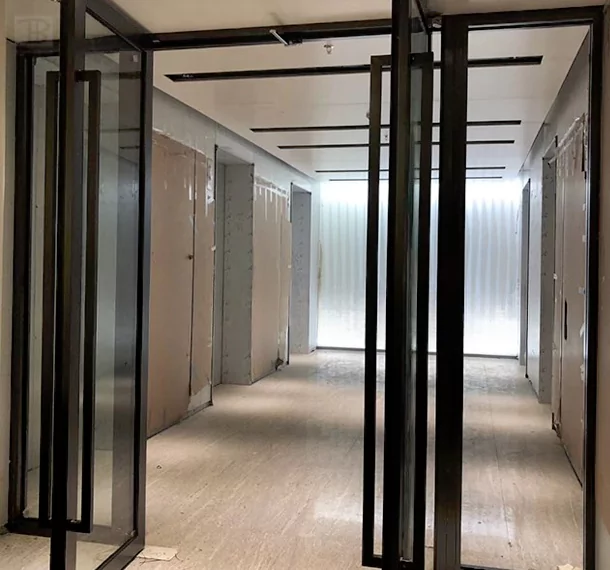
FIREPROOF GLAZING WINDOWS AND DOORS
Learn more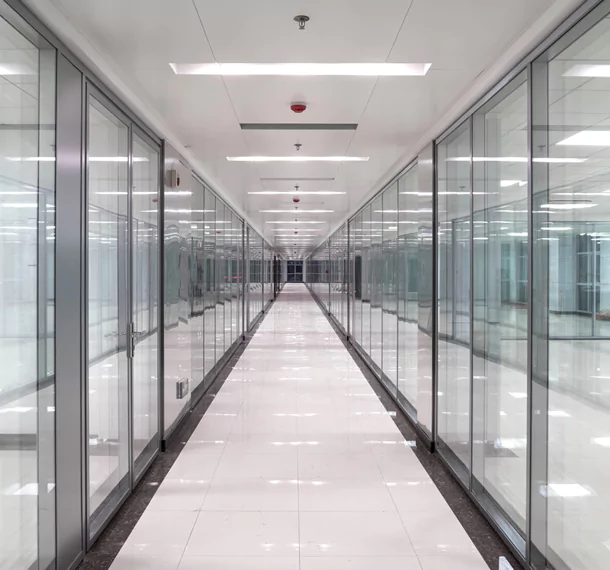
Fire rated glass is a critical component in modern construction and design, serving as a barrier against the spread of fire while allowing light to permeate. the classification of fire rated materials is essential for ensuring safety and compliance with building codes. among the various ratings assigned to fire resistant glass, e, ew, and ei ratings are particularly significant in Philippines.
The e rating refers to the integrity of the glass during a fire. it indicates that the material can withstand flames without allowing them to pass through for a specified duration. this rating is crucial in preventing smoke and hot gases from infiltrating other areas of a building.
The ew rating, on the other hand, encompasses both integrity (e) and limited radiation (w). this means that not only does it prevent flames from passing through but also limits heat transfer through radiant energy. this characteristic makes ew-rated glass suitable for situations where maintaining visibility while offering protection against heat is necessary.
The EI rating combines integrity (e) with insulation properties. it signifies that the glass can withstand high temperatures on one side while providing thermal insulation on the other side for an extended period. this rating is particularly beneficial in applications requiring enhanced safety measures due to its ability to keep adjacent spaces cooler during a fire event in Philippines.
These classifications allows architects and builders to select appropriate materials based on specific requirements dictated by local regulations or project needs. the selection process involves evaluating factors such as location within a building, proximity to escape routes, and potential exposure risks.
Incorporating fire rated glass into construction projects offers numerous advantages that extend beyond mere compliance with safety regulations. one primary benefit is enhanced safety; using this specialized material significantly reduces risk during emergencies by containing fires within designated areas longer than standard glazing options would allow.
Fire rated glass provides exceptional thermal insulation properties compared to traditional alternatives. by minimizing heat transfer between spaces during a fire incident, it helps protect occupants from extreme temperatures that could lead to injury or fatalities.
From an aesthetic standpoint, integrating fire rated glass into architectural designs contributes positively without compromising visual appeal or natural light exposure—two aspects highly valued in contemporary architecture. available in various styles—from clear panes suited for modern offices to decorative options enhancing residential interiors—fire resistant glazing can seamlessly blend functionality with beauty.
Furthermore, utilizing this type of glazing may contribute toward achieving sustainability goals within buildings by optimizing energy efficiency when combined with proper framing systems designed specifically for such applications.
Fire resistant glass finds application across multiple sectors due partly because its benefits align well with diverse operational needs while adhering strictly mandated safety standards across jurisdictions worldwide—from commercial establishments like shopping centers needing expansive storefronts fitted with protective barriers against flame intrusion down through institutional facilities requiring secure environments conducive learning experiences free from hazards associated uncontrolled fires incidents occurring nearby places where children gather regularly pursue education goals effectively without fear disruptions caused unforeseen accidents occurring suddenly unexpectedly impacting lives adversely forever changing trajectories futures envisioned beforehand optimistically filled hope promise brighter days ahead instead darkness descending upon unsuspecting victims caught crossfire chaos ensuing rapidly spiraling out control leaving devastation destruction behind them everywhere they turn looking find solace comfort amidst turmoil surrounding them constantly threatening existence itself!
In healthcare settings—where patient welfare remains paramount—the use of ei-rated products ensures safe separation between high-risk zones such as operating theaters emergency departments waiting rooms ensuring peace mind those seeking medical attention knowing they are protected adequately should disaster strike unexpectedly at any moment! similarly hospitality venues benefit greatly incorporating these features throughout their premises creating inviting atmospheres guests feel welcomed relaxed enjoying stay worry-free knowing precautions have been taken prioritize everyone’s wellbeing above all else!
Ultimately embracing innovative technologies like advanced manufacturing processes resulting improved performance characteristics seen throughout industry-wide adoption will undoubtedly transform how we approach building design moving forward!
Fill the form below to get in touch with us.
Fire-rated glass doors play an essential role in rapid evacuation when faced with an imminent fire, by delaying flame spread and smoke accumulation, providing precious minutes for people to escape safely. Constructed using special materials designed to withstand intense heat while also preserving structural integrity and saving lives, these doors act as crucial barriers against flame spread and smoke build-up allowing occupants to exit safely before it spreads further.
Fire-rated glass doors add another layer of defense against forced entry or unauthorised access, as well as improving monitoring capabilities, creating a sense of trust within a space.
Fire-rated glass doors are also easily integrated into various architectural styles, adding visual interest and increasing aesthetic value of any building. When purchasing fireproofing products from reliable manufacturers who adhere to stringent industry standards for optimal effectiveness.
Periodically inspect and maintain fireproof glass doors to ensure their continued effectiveness in protecting lives and property.
Robust Glass Windows: Protecting Your Home From Fire
When it comes to public safety, fireproof glass windows have become an indispensable component. Engineered specifically to withstand intense heat and flames, these specialized windows offer vital protection from the devastating power of fires.
Fire-resistant glass windows utilize cutting-edge materials and technologies to withstand long periods of high heat exposure without shattering or succumbing to damage, providing critical protection for occupants against flames or smoke spreading in an emergency situation.
Fire-resistant glass windows are essential in safeguarding all kinds of buildings - including homes, offices and commercial spaces.
By installing fire-resistant windows into your building, you can significantly increase its security and withstand the devastating impact of firestorms.
Fire-Resistant Glass Partitions: Harmonizing Beauty and Safety
Architectural designers understand the necessity of striking a balance between aesthetic appeal and fire safety when designing buildings, which makes flameproof glass partitions an attractive solution to stylishly define spaces while adhering to fire safety regulations. These innovative partitions serve as reliable barriers during a fire, slowing its spread while giving occupants time for evacuation.
Formed of layers of specialty glass, these partitions boast unparalleled heat resistance. Inside is a special fireproof interlayer that hardens at high temperatures to block flames and smoke passage.
Fireproof glass partitions not only ensure safety but can also add aesthetic flair.
Glass designs come in an assortment of designs and can be easily integrated into various architectural styles. Their transparent nature also allows natural light penetration while still offering privacy and safety for inviting spaces. anti fire glass offers these benefits and more!
Safety is of utmost importance in any construction project, and building codes mandate using fire-resistant materials in order to mitigate the spread of flames. A frequently utilized material in modern architecture, glass can be engineered with special coatings or construction techniques in order to achieve fire resistance ratings - providing essential protection while still offering aesthetic appeal and transparency. These fireproof glass options offer vital protection while still meeting aesthetic criteria for building projects.
Building codes have stringent criteria for fire-rated glass Philippines , setting minimum performance standards depending on its application and risk category. Factors like profile of glass used, interlayer type used and overall construction design all factor into its fire rating rating.
When selecting fire-rated glass Philippines for any project, it is vital that all applicable building codes are considered and that you work with an experienced supplier or contractor familiar with fireproof systems to help navigate through their complexity and ensure the selected glass complies with required specifications.
Enhance Security and Safety with Fire-Rated Glass
In today's world, safeguarding your premises is of utmost importance. Fireproof glass plays an integral part in this endeavour by providing exceptional protection from inflammable conditions - acting as a barrier against their spread while providing valuable time for exit safely.
Integrating fire-resistant glass into the design of your building is one way to reduce fire risks and offer a secure environment for occupants.
Fire-rated glass provides a safe zone in emergencies and helps strengthen building codes.
Visibility Protection: Exploring Fire-Rated Glass Fireproof glass combines aesthetic appeal and essential safety benefits into one. Constructed to withstand intense temperatures, it acts as a protective barrier that helps thwart flames and smoke during an emergency, helping prevent them from spreading further.
Fabricated from fire-proofed glass panels, these emergency evacuation panels offer long-term strength to allow occupants to safely evacuate premises during an emergency situation.
Fire resistance rating is determined by how long glass can withstand exposure to high temperatures.
This essential information assists building owners and architects in selecting fireproof glass products suitable for specific applications, ensuring both safety and compliance with building codes.
Fire-rated glass offers an essential layer of protection, which increases security in different settings from residential homes to high-rise offices.
Tempered Glass for Fire Regular glass is vulnerable to intense heat and will shatter into fragments under such stress, becoming brittle and shattering into fragments. Fire-resistant glass boasts unique properties that enable it to withstand scorching temperatures without disintegrating; this remarkable feat stems from its scientific construction and composition.
Fire-resistant glass typically incorporates special components into its composition. Such additions as boron oxide or alumina create more stable molecules that can withstand expansion due to heat, making the glass fireproof.
Second, the manufacturing process itself plays a pivotal role. Heat treatment techniques are applied carefully to strengthen glass at its molecular level and lessen its susceptibility to fracture, creating an impervious material capable of withstanding intense heat exposure without suffering structural degradation.
Fire-resistant glass is typically coated with additional barrier coatings to increase its fireproof capabilities and help delay the spread of flames, offering vital protection. These extra layer are known as barrier coatings.
Fire-resistant glass offers an effective combination of specialty materials and advanced manufacturing processes to serve as an invaluable safety measure in various settings - from building construction to industrial settings.
Installation of Fire-Rated Glass
For effective fireproof glass installations in your structure, a reliable and experienced team are necessary. Fireproof glass serves an important security purpose by creating a barrier against fire; selecting the correct installer could mean the difference between meeting all building codes and regulations or becoming vulnerable in an emergency situation.
Skilled installers will assess your requirements to identify the appropriate fireproof glass product and fitting method, taking into account factors like weight, structural support needs and any additional needs or requests.
Accredited installers possess the necessary qualifications for handling fireproof glass safely and effectively.
By hiring an expert installer, you can have peace of mind knowing your fireproof glass system has been properly installed - providing essential protection and security to your building.
Selecting Fire-Rated Glass to Meet Your Needs
Fireproof glass is an integral component in securing structures and lives from fire damage, yet with so many types available it may be challenging to select the appropriate type.
Before making your purchase decision, it's essential that you carefully consider your needs and criteria for buying furniture. Factors such as fire resistance rating, desired application and overall design goals must all be taken into consideration.
Understanding these factors will enable you to select fireproof glass that meets all of your individual requirements.
Fire Rated Glass Doors and Windows: The Ultimate Guide
Protecting your building against fire is of utmost importance, and fire-rated glass doors and windows play an essential part in meeting this goal. Specifically designed to withstand intense temperatures while providing crucial safety during emergencies, fireproofed products like these provide invaluable fire protection in emergency situations. Consulting this comprehensive guide of fire-rated doors and windows will give you all of the knowledge needed to make informed decisions regarding how best to defend against potential flame outbreaks in your building's fire protection strategy.
Discover the different fire ratings available, making sure that the level meets your specific requirements. Gain more knowledge on the materials used to construct fire-rated glass products as well as their performance characteristics.
Assess size, design and installation requirements in order to seamlessly incorporate your fire-rated glass solutions into existing architecture. Furthermore, this guide offers tips on maintenance and inspection that will extend their lifespan and effectiveness.
Peace of Mind: Benefits of Fire-Rated Glass Solutions
Safety in today's world is of utmost importance, which is why building codes and regulations increasingly mandate fireproof glass solutions as part of safety strategies to minimize fire risks. These specialized glass panels offer critical resistance against potential flames to help safeguard lives and property in case an unexpected fire breaks out.
Fire-rated glass solutions go beyond their inherent fireproofing abilities to offer aesthetic and functional advantages, including providing greater transparency while meeting any architectural vision. Available in various configurations to meet architectural vision.
Investment in fireproof glass solutions gives you peace of mind knowing your building provides a secure environment. These innovative systems not only meet safety regulations but can also add aesthetic charm.
In the world of architecture and design, fire-rated glass Philippines has become an essential element in ensuring safety without compromising aesthetics. Let's delve into three successful projects where fire-rated glass Philippines was utilized creatively as glass doors or walls:
1. Project Name: The Skylight Atrium_
- Details: In this project, fire-rated glass was incorporated as a stunning glass wall surrounding the atrium area of a commercial building in Philippines.
- Effects: The use of fire-rated glass not only provided a sleek and modern look but also ensured compliance with safety regulations, allowing natural light to flood the space while maintaining structural integrity.
2. Project Name: Zen Garden Retreat
- Details: This residential project featured fire-rated glass doors leading to an outdoor zen garden retreat.
- Effects: The transparency of the fire-rated glass doors created a seamless connection between indoor and outdoor spaces, enhancing the overall tranquility and aesthetics of the retreat.
3. Project Name: Urban Workspace Innovation Hub
- Details: In this innovative workspace project, fire-rated glass partitions were used to delineate different collaborative zones within the office.
- Effects: The use of fire-rated glass walls not only promoted an open and collaborative work environment but also added a touch of sophistication and safety to the industrial-inspired design concept.
These projects exemplify how incorporating fire-rated glass in various architectural settings can blend functionality with design excellence while prioritizing safety standards.
Our Location in Philippines:Lawton Avenue,Philippines,Philippines
防火ガラス 江別市
VIDRO À PROVA DE FOGO Maracanaú
VIDRIO RESISTENTE AL FUEGO Columbia
FIRE-RATED GLASS Tamil Nādu
VIDRIO RESISTENTE AL FUEGO Los Mochis
زجاج مقاوم للحريق شبرا الخيمة
شیشه آتش نشانی بيرجند
زجاج مقاوم للحريق بوشر
