Certified Fire Rated Glass for Pointe-Noire Commercial and Industrial Projects

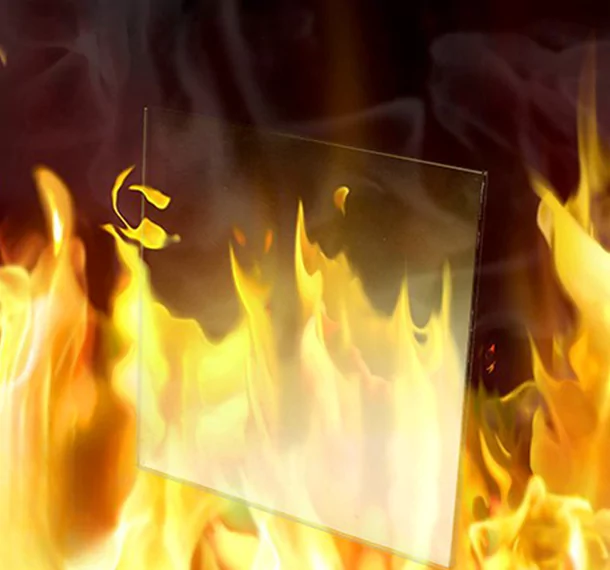
For commercial and industrial projects in Pointe-Noire, Congo, ensuring building envelope compliance with the Congolese Fire Safety Code (Règlement Général de Sécurité Incendie) is a critical engineering requirement. Antifires provides certified fire rated glass solutions specifically designed to meet the stringent fire resistance demands of high-rise structures, port facilities, and refinery complexes. These glazing systems are tested to international standards such as BS 476 Part 22 and BS EN 1634-1, offering verified integrity (E) and insulation (I) performance for compartmentation walls and facades. The localized application of these standards ensures that building owners and contractors in Pointe-Noire can achieve full regulatory compliance while maintaining design transparency. For further reference on the national framework, professionals can consult the official Congolese Fire Safety Regulations (Décret n° 2010-647) which outlines the baseline requirements for passive fire protection in commercial buildings.

Congo Fire Safety Code Compliance for Pointe-Noire Building Envelope Systems

Pointe-Noire’s growing skyline, including high-rise commercial towers near the port, demands fire-resistant glazed facades that align with the Congolese Fire Safety Code. For building envelope systems, Antifires offers glazed assemblies that achieve certified fire resistance ratings up to EI120, tested under BS EN 1364-1 for non-loadbearing walls. These systems utilize multi-layer composite glass structures, such as the 50mm ultra-high-performance glass, which provides both integrity and insulation for up to 120 minutes. Key technical specifications include:

  • Frame construction: G.M.S. hollow steel sections with intumescent fire seals (20mm × 4mm) to prevent gap penetration.
  • Sealant integration: Ceramic wool (density 210 kg/m³) and fire-rated insulation boards (12mm–15mm) ensure thermal barrier continuity.
  • Installation parameters: Expansion gaps of 3mm–5mm filled with ceramic fiber to accommodate structural movement under fire exposure.

These design elements ensure that compartmentation walls in Pointe-Noire buildings maintain their fire-resistive performance even under the high humidity conditions typical of the coastal climate.

Selecting Fire Rated Glass Integrity and Insulation Ratings for Coastal Climate

Selecting the correct fire rated glass for Pointe-Noire requires balancing EI classification (e.g., EI30, EI60, EI120) with environmental durability. The coastal climate’s high humidity and saline atmosphere can degrade standard interlayers, leading to delamination. Antifires addresses this with advanced intumescent gel layers encased in tempered glass, such as the 28mm EI60 panel (6mm + 5.5mm gel + 5mm + 5.5mm gel + 6mm), which maintains structural integrity even after prolonged exposure to moisture. Performance data from certified tests show:

  • 26mm door glass: Integrity 89–90 minutes, insulation 68 minutes—suitable for escape route enclosures.
  • 21mm FPOS: Integrity 120 minutes, insulation 30 minutes—ideal for partition walls requiring high impact resistance.

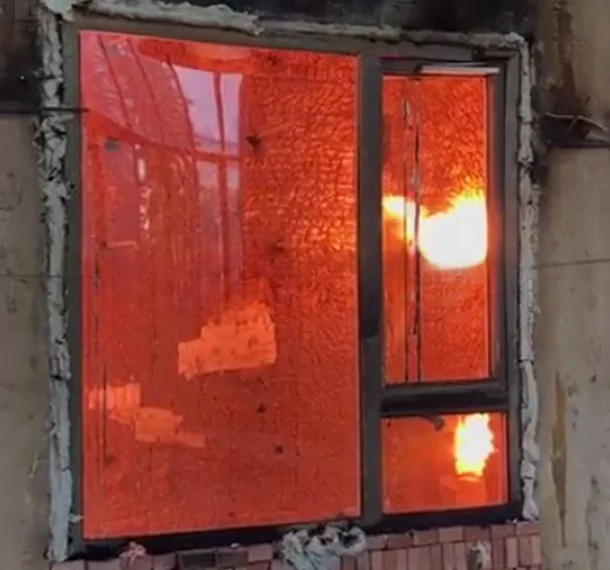
For projects demanding both thermal insulation and radiation control, EI120-rated glass systems provide complete protection. The multi-layer structure prevents heat transfer, keeping the unexposed side average temperature rise below 140°C as per BS 476 Part 22 criteria, ensuring safe evacuation and property protection in Pointe-Noire’s commercial buildings.

Pointe-Noire Oil and Gas Refinery Control Room Glazing Specifications

The oil and gas sector in Pointe-Noire, particularly offshore refineries and control rooms, requires specialized glazing that combines fire resistance with blast mitigation. Antifires provides engineered observation windows that meet both EI120 fire ratings and impact resistance standards. These systems use 54mm ultra-high-performance glass with a multi-layer insulated structure, tested under furnace conditions up to 135 minutes. Key engineering features include:

  • Blast-resistant framing: Heavy-duty G.M.S. steel sections anchored with M8 bolts at 300mm spacing to withstand explosive overpressure.
  • Thermal and radiation control: The glass assembly limits radiant heat transmission (W) to safe levels, protecting personnel in control rooms during hydrocarbon fires.
  • Tested failure modes: Maximum deflection of 152mm toward the furnace is allowed, with no sustained flaming or gap penetration, ensuring containment integrity.

For Pointe-Noire’s critical infrastructure, these systems are certified under ASTM E119 and AS1530.4, providing verifiable performance for refinery expansion projects. The integration of fire-rated glass into blast-resistant envelopes ensures that control room operators remain protected during both fire and explosion scenarios.

Antifires Localized Logistics and Technical Support for Pointe-Noire Buyers

Antifires offers streamlined logistics and technical support for Pointe-Noire buyers, leveraging the city’s deep-water port for direct container shipments. This reduces project lead times significantly compared to airfreight or regional transshipment. Key support services include:

  • Certified documentation: Full fire test reports in French and English, including furnace thermocouple data (Type K, 9–12 channels) and unexposed surface monitoring (10–55 thermocouples), compliant with BS EN 1634-1.
  • On-site consultation: French-speaking technical engineers provide installation guidance for fire partition solutions, ensuring proper sealing with ceramic tape and intumescent seals.
  • Local inventory: Pre-cut glass panels (e.g., 10mm FPOS, 15mm FPOS) are stocked for rapid deployment, with expansion gaps pre-filled to local specifications.

This localized approach ensures that Congolese contractors and developers receive both the product and the technical expertise needed to achieve compliance with the Règlement Général de Sécurité Incendie, minimizing on-site delays and installation errors.

REQUEST A QUOTE

Fill the form below to get in touch with us.

click

Frequently Asked Questions (FAQ)

Yes, Antifires fire rated glass is designed to meet the fire resistance durations required by Congo’s national building regulations, specifically the Règlement Général de Sécurité Incendie. For Pointe-Noire commercial towers, the glazing systems are tested under BS 476 Part 22 and BS EN 1634-1 to achieve ratings from E60 to EI120. For example, the 21mm FPOS glass provides 120 minutes of integrity and 30 minutes of insulation, suitable for high-rise compartmentation. Each product is supplied with certified test reports that document furnace pressure conditions (0 ±2Pa after 5 minutes) and temperature rise limits (average ≤140°C), ensuring full compliance with local fire safety codes for commercial and industrial applications.

Antifires fire rated glazing systems are engineered to maintain performance under Pointe-Noire’s tropical coastal humidity and salt spray exposure. The glass incorporates intumescent gel layers sealed between tempered glass panes, such as the 26mm door glass (5mm + 5.5mm gel + 5mm + 5.5mm gel + 5mm), which resists moisture ingress and delamination. The frames use G.M.S. hollow steel sections with ceramic wool seals (density 210 kg/m³) that prevent corrosion and maintain thermal barrier integrity. During certified tests conducted at ambient temperatures of 27°C–36°C and relative humidity up to 90%, these systems showed no degradation in fire resistance, ensuring reliable protection in Pointe-Noire’s coastal environment.

Yes, Antifires provides certified fire test reports and localized installation support for Pointe-Noire refinery expansion projects. Each glazing system, such as the 50mm EI120 glass, is accompanied by detailed documentation from tests conducted under ASTM E119 and BS EN 1364-1, including furnace thermocouple data (Type K, 9–12 channels) and unexposed surface monitoring. On-site support includes French-language technical consultation for frame anchoring (M6/M8 bolts at 300–600mm spacing) and sealant application (ceramic fiber in 3mm–5mm expansion gaps). This ensures that the installation meets both fire resistance and blast mitigation requirements for the oil and gas sector, reducing project risks and ensuring regulatory compliance.