San Jose Fire Rated Glass Certified for Local Seismic and Fire Safety Codes

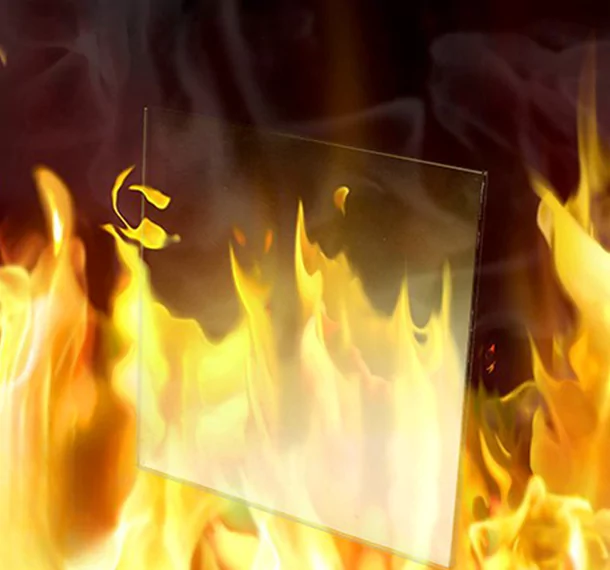
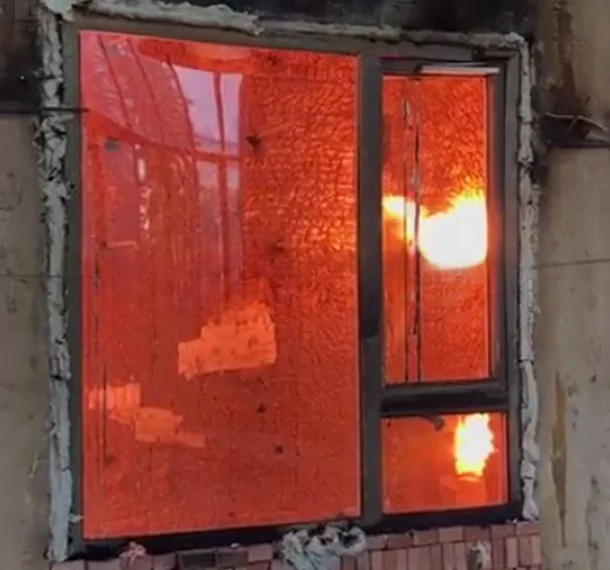
In the dynamic commercial construction landscape of San Jose, compliance with both fire safety and seismic regulations is non-negotiable. The city enforces the 2022 California Building Code (CBC) with local amendments, which mandates that fire-rated assemblies in high-rise exit corridors and atrium enclosures withstand a 2-hour fire-resistance rating per IBC Section 707. For architects and contractors, selecting fire rated glass that meets these stringent requirements is critical to passing San Jose Fire Department (SJFD) plan reviews. Antifires’ systems are rigorously tested to ASTM E119 and UL 263, ensuring they deliver verified integrity and insulation performance under standard fire conditions. Beyond fire resistance, San Jose’s location in a seismic zone requires additional structural drift testing per CBC Chapter 16A. Our glazed assemblies undergo cyclic racking tests to simulate earthquake displacements, guaranteeing post-event stability for egress pathways. This dual compliance—fire integrity and seismic resilience—makes Antifires a trusted partner for multi-story office towers, tech campuses, and healthcare facilities. For official reference, the California Building Standards Commission provides the latest code updates, which we integrate into every project specification. By combining pre-certified UL listings with localized engineering support, Antifires streamlines the approval process, helping San Jose developers meet tight construction timelines without compromising safety.

San Jose Fire Code Compliance for High-Rise Enclosures and Egress Pathways

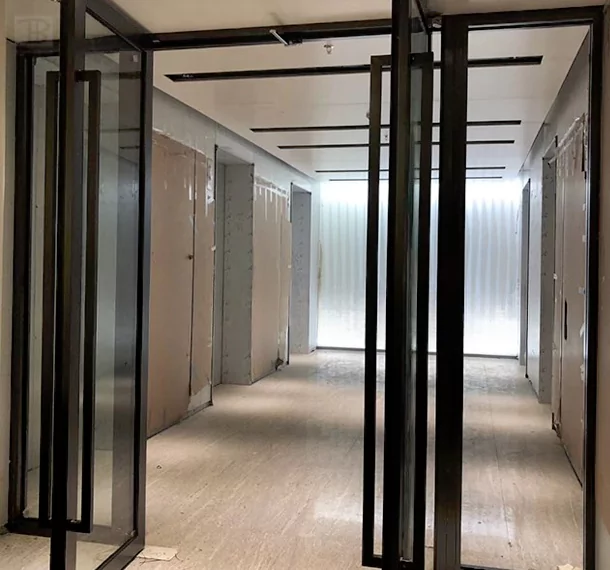
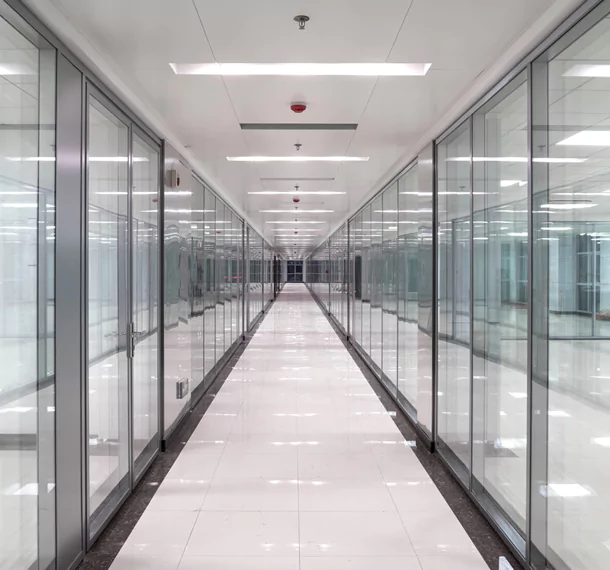
San Jose’s enforcement of the 2022 California Building Code (CBC) with local amendments imposes rigorous demands on fire-rated assemblies, particularly in high-rise enclosures and egress pathways. Per IBC Section 707, exit corridors and atrium enclosures in buildings over 75 feet must achieve a 2-hour fire-resistance rating, a standard that Antifires meets with systems tested to ASTM E119 and UL 263. The San Jose Fire Department (SJFD) requires detailed plan reviews for these assemblies, including verification of firestop systems and glazing integrity. Antifires’ fire rated glass systems, such as the 50mm and 54mm EI120 panels, provide up to 120 minutes of both integrity and insulation, ensuring safe egress during a fire event. For high-rise projects, these systems are installed in steel-framed partitions with intumescent seals and ceramic wool backer rods, maintaining the required fire-resistance rating while allowing natural light into lobbies and corridors. Additionally, San Jose’s seismic requirements under CBC Chapter 16A mandate cyclic racking tests to simulate earthquake displacements, ensuring the glazing remains stable after a seismic event. Antifires’ assemblies are designed to accommodate up to 38mm of deflection without losing fire integrity, a critical factor for post-earthquake egress. This combination of fire and seismic compliance makes Antifires a preferred choice for contractors navigating SJFD’s stringent approval process.

UL 263 Fire Rated Glass Selection for San Jose’s Mixed-Use and Tech Hub Projects

For San Jose’s booming mixed-use developments and tech hub campuses, selecting the right UL 263 fire rated glass is essential to balance safety with architectural transparency. The city’s seismic-prone location, part of the Silicon Valley region, mandates additional structural drift testing per CBC Chapter 16A. Antifires’ fire rated glass and steel-framed partitions undergo cyclic racking tests that simulate earthquake displacements of up to 152mm, ensuring both fire integrity and post-event stability for egress pathways in office towers. For typical tech campus applications, the 28mm EI60 panel (tested to BS EN 1634-1) offers 66 minutes of integrity and 64 minutes of insulation, ideal for interior corridors and open-plan workspaces. In high-rise mixed-use projects, the 50mm EI120 glass provides 120 minutes of both integrity and insulation, meeting the 2-hour fire-resistance rating required for atrium enclosures. These systems are installed with G.M.S. hollow steel frames and intumescent fire seals (20mm × 4mm), ensuring a tight seal under fire conditions. Antifires also provides pre-certified UL listings that simplify the plan review process with San Jose’s building department, reducing approval cycles for fast-track commercial projects. By integrating seismic resilience with fire safety, Antifires supports the unique demands of San Jose’s urban growth, from downtown high-rises to suburban tech parks.

Fire Rated Glass Applications in San Jose’s Airport Expansion and Healthcare Facilities

San Jose’s Mineta International Airport (SJC) terminal upgrades and regional hospital expansions demand fire-rated glazing that meets rigorous performance standards while supporting operational efficiency. In these facilities, fire rated glass is critical for smoke barriers and surgical suite corridors, where code requires a minimum 60-minute fire-resistance rating per IBC Section 710. Antifires provides 90-minute fire-rated glass doors and vision panels, such as the 26mm door glass (tested to BS 476 Part 22 with 89 minutes of integrity and 68 minutes of insulation), that integrate seamlessly with existing HVAC and fire alarm systems. For healthcare applications, these panels are installed with ceramic wool (3mm–6mm, density 210 kg/m³) and intumescent seals to maintain smoke containment during a fire event. The systems also support LEED v4 certification by maximizing daylighting through high-transparency glass, reducing artificial lighting needs while meeting thermal performance requirements. At SJC, Antifires’ assemblies are designed to withstand the high-traffic demands of terminal environments, with steel frames anchored at 300–600mm spacing for structural stability. For hospital surgical suites, the 28mm EI60 panel provides 64 minutes of insulation, preventing heat transfer that could compromise sterile conditions. By offering pre-certified UL listings and localized engineering support, Antifires helps San Jose contractors meet the strict code compliance required for airport and healthcare projects, ensuring both safety and operational continuity.

Antifires’ Local Stock and Engineering Support for San Jose Contractors

Antifires supports San Jose contractors with a regional distribution hub in the Bay Area, ensuring 3-5 day delivery for popular fire-rated glass sizes and door sets to job sites across the city. This logistical advantage reduces project delays, particularly for fast-track commercial developments where material availability is critical. Our in-house engineers provide free code compliance reviews, verifying that assemblies meet San Jose’s specific requirements under the 2022 California Building Code (CBC) and IBC Section 707. For each project, we prepare shop drawings that detail the installation of fire rated glass systems, including frame anchoring (M6/M8 bolts at 300–600mm spacing) and expansion gaps (3mm–5mm filled with ceramic fiber). These documents streamline the approval process with the San Jose Fire Department (SJFD) and city plan check departments, reducing approval cycles by up to two weeks. Antifires also offers pre-certified UL listings for common ratings like E90 and EI60, eliminating the need for additional testing on each project. For contractors working on seismic retrofits, our engineers can recommend assemblies that meet CBC Chapter 16A drift requirements, ensuring post-earthquake stability. By combining local stock, expert engineering, and rapid delivery, Antifires provides San Jose’s construction community with a reliable partner for fire-rated glazing solutions, from initial design through final inspection.

REQUEST A QUOTE

Fill the form below to get in touch with us.

click

Frequently Asked Questions (FAQ)

Yes, Antifires’ fire rated glass systems are designed to meet both San Jose’s seismic drift requirements under CBC Chapter 16A and fire code requirements under the 2022 California Building Code (CBC) and IBC Section 707. Our assemblies undergo cyclic racking tests to simulate earthquake displacements, ensuring they maintain fire integrity and structural stability after a seismic event. For example, our 50mm EI120 panels provide 120 minutes of fire resistance while accommodating up to 38mm of deflection. All systems are tested to ASTM E119 and UL 263, with pre-certified listings that simplify San Jose Fire Department (SJFD) plan reviews. For specific project requirements, our in-house engineers provide free compliance reviews to ensure the selected glass meets both fire and seismic standards.

For San Jose high-rise office lobby partitions, a 60-minute fire-resistance rating (E60 or EI60) is most common, as it meets the requirements for exit corridors and interior partitions per IBC Section 707. However, for atrium enclosures or egress pathways in buildings over 75 feet, a 90-minute or 120-minute rating may be required. Antifires offers the 28mm EI60 panel (66 minutes integrity, 64 minutes insulation) and the 50mm EI120 panel (120 minutes integrity and insulation), both tested to BS EN 1634-1 and ASTM E119. The choice depends on the building’s height, occupancy type, and specific SJFD plan review requirements. Our engineers can recommend the optimal rating based on your project’s fire safety plan and seismic drift criteria.

Antifires supports fast-track permit approvals by providing pre-certified UL listings for our fire rated glass systems, which are accepted by San Jose’s building department and SJFD without additional testing. Our in-house engineers prepare shop drawings that detail installation parameters, including frame anchoring (M6/M8 bolts at 300–600mm spacing) and expansion gaps (3mm–5mm filled with ceramic fiber). These documents are submitted directly to the city’s plan check department, reducing approval cycles by up to two weeks. Additionally, we offer free code compliance reviews to ensure assemblies meet 2022 CBC and IBC Section 707 requirements. For fast-track projects, our Bay Area distribution hub ensures 3-5 day delivery of popular sizes, minimizing material delays during the approval process.