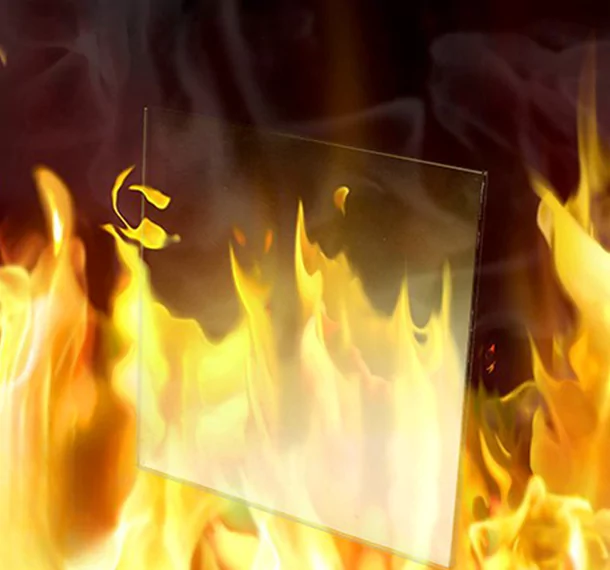
SINGLE LAYER FIRE-RATED GLASS
Learn more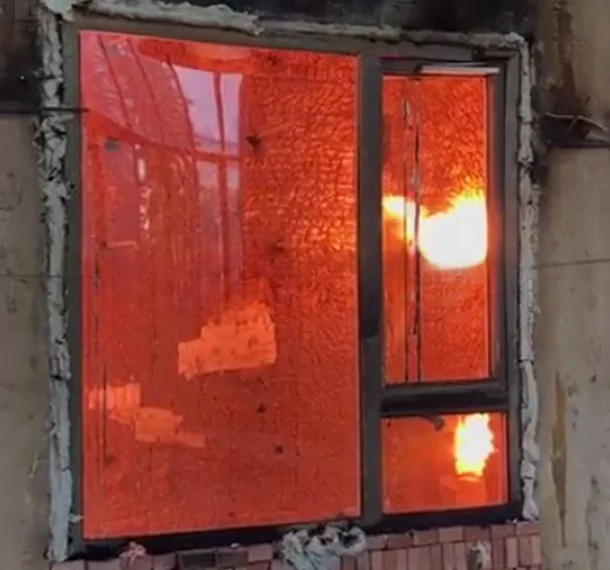
DOUBLE LAYERS FIRE-RATED GLASS
Learn more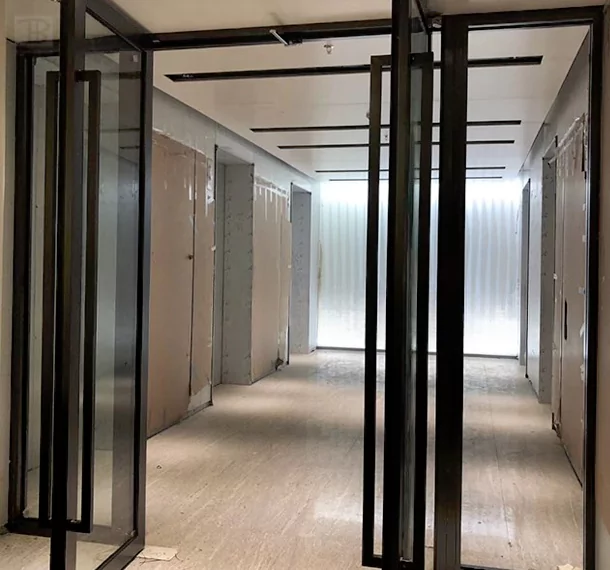
FIREPROOF GLAZING WINDOWS AND DOORS
Learn more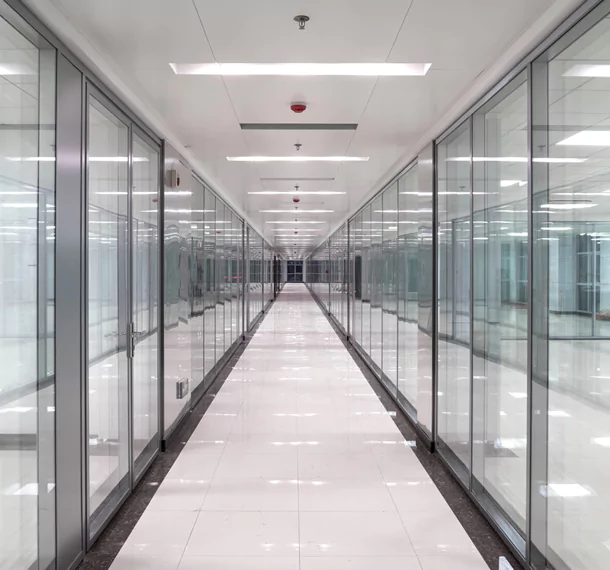
To fire safety in construction and design, the choice of materials is crucial. fire rated glass plays a significant role in enhancing safety standards while also contributing to aesthetic appeal. there are several types of fire rated glass available, each with unique properties and applications. these options can help architects, builders, and designers make informed decisions in Tanzania.
Borosilicate glass
Borosilicate glass is known for its excellent thermal resistance. composed primarily of silica and boron trioxide, this type of glass can withstand extreme temperature changes without breaking. it is often used in settings where both transparency and durability are essential—such as in laboratory environments or high-end commercial buildings—making it a versatile option for fire rated applications.
Potassium fire-rated glass Tanzania
Potassium fire-rated glass Tanzania incorporates potassium ions into its structure to enhance its fire-resistance capabilities. this type of glass is particularly effective at preventing the spread of flames and smoke during a fire event. its clarity allows for natural light penetration while maintaining safety standards, making it suitable for office spaces or retail environments where visibility is key in Tanzania.
Crystalline silicon composite fire rated glass
This innovative material combines crystalline silicon with other elements to create a robust barrier against heat and flames. crystalline silicon composite fire rated glass offers superior insulation properties along with excellent visibility, making it an ideal choice for modern architectural designs that prioritize both safety and aesthetics.
Wired glass
Wired glass features a mesh of wire embedded within the glass itself, providing structural integrity during high temperatures. while not as aesthetically pleasing as other types, wired glass remains popular due to its cost-effectiveness and reliability in various applications such as doors, windows, and partitions within commercial buildings.
Fire ratings are essential when selecting the right type of fire resistant glazing materials for any construction project. the ratings typically include e (integrity), ew (integrity + radiation), and EI (integrity + insulation).
- e ratings: these ratings indicate that the material can withstand flames without allowing them to pass through; however, they do not provide insulation from heat transfer.
- ew ratings: this rating signifies that the material not only prevents flame passage but also limits heat radiation through transparency.
- EI ratings: ei-rated materials offer both integrity against flames and insulation from heat transfer—making them highly effective in maintaining safe conditions during a fire event.
Testing standards vary by region but generally involve exposing samples to controlled fires while measuring their performance over time—a process crucial for ensuring compliance with building regulations related to fire safety.
The incorporation of fire rated glass into architectural designs comes with numerous benefits beyond mere compliance with safety standards:
1. fire resistance benefits: the primary advantage lies in its ability to slow down or prevent the spread of flames between different areas within a building.
2. thermal insulating properties: many types provide exceptional thermal insulation which contributes toward energy efficiency by reducing heating costs.
3. aesthetic appeal in architecture: with advancements in manufacturing processes allowing clearer views than ever before without compromising on strength or protection; architects now have more creative freedom while ensuring safety.
4. cost-effectiveness over time: although initial investments may be higher than traditional glazing options; long-term savings come from reduced risk associated with fires which minimizes potential damage costs significantly.
Fire rated glazing solutions find application across multiple sectors due largely to their versatility:
- commercial buildings applications: in offices or retail spaces where open layouts encourage foot traffic; strategically placed partitions made from this specialized glazing allow natural light flow while maintaining necessary barriers against fires.
- residential uses of fire resistant glass: homeowners increasingly opt for these products when designing features like balconies or large windows facing communal areas—ensuring family safety without sacrificing style.
- healthcare facilities safety measures: hospitals utilize these materials extensively around critical care units where protecting patients from smoke inhalation can be lifesaving during emergencies.
- fire rated glazing solutions in schools and public spaces: educational institutions benefit greatly from incorporating such measures into their designs—providing secure environments conducive towards learning alongside adhering strictly enforced regulations regarding student welfare amidst unforeseen circumstances.
The various types available along with their respective benefits empowers stakeholders involved throughout all phases—from design conception through final installation—to prioritize optimal choices aligned closely towards achieving enhanced levels concerning overall public health & welfare!
Fill the form below to get in touch with us.
Glass has an essential place in construction and fire safety. Although seemingly fragile, certain varieties of glass offer unique properties that make them invaluable assets in protecting lives and property. Fire protection glass stands as proof of this claim, providing essential barriers against the rapid spread of flames while mitigating damage and permitting safe evacuation in an emergency situation. Their unique composition enables these special panels to withstand high temperatures without experiencing heat transfer, helping reduce structural collapse risks significantly.
Fire protection glass features various features that protect it against flames and flame spread, such as intumescent coatings or metal mesh inserts that expand when exposed, creating a thermal barrier and sealing off gaps to stop flames breaching its protective layer. However, different types of fireproof glass exist, each specifically tailored to meet particular safety standards or applications.
Fire protection glass plays a critical role in building fire resistance, from windows and curtain walls to doors and skylights. Its rugged nature provides peace of mind knowing that structures can safely withstand potential risks.
Flame-Resistant Glass for Engineering Safety and Design
Flame-resistant glass plays a pivotal role in engineering safety and design across various applications. Engineers meticulously design this specialized material to withstand fire conditions in critical environments while upholding physical integrity. Furthermore, its properties are selected carefully so as to maximize both aesthetic appeal and safety considerations.
Fire-resistant glass relies heavily on multiple factors to achieve its full effectiveness, such as material used, thickness of panels and presence of layers.
Installation of flame-resistant glass is also essential to its effectiveness.
Protecting Your Assets with Fire-Resistant Glass
Fireproof glass has long been recognized for its ability to save lives and secure property, acting as an essential buffer from flame spread during a fire event. Engineered to withstand extreme temperatures, fireproof glass serves as a vital shield from flame propagation by being composed of multiple layers bonded together with heat transfer inhibitory interlayers. This innovative construction helps ensure its integrity for longer, effectively confining fire while mitigating its effect.
Fire-rated glass has become an invaluable component of many applications, from building facades and partitions to emergency exits and emergency evacuation routes. It ensures occupants can evacuate safely while also safeguarding critical infrastructure against damage.
Additionally, fire-rated glass Tanzania can help meet stringent building codes and regulatory requirements to meet safety standards.
By including fireproof glass in your building design, you are investing in an essential layer of protection that could save lives and reduce property loss in the event of a fire. This key component helps create a safer and more secure environment for everyone involved.
Innovative Fireproof Glass Technology for Elevated Security
In an age of increasing security threats, building owners and architects are becoming more vigilant about taking proactive measures beyond traditional construction practices to increase safety measures. An increasingly popular solution is anti-fire glass - this specialized advanced type of glass provides essential fire protection measures against damage in structures while protecting both occupants as well as valuable assets inside.
Anti-fire glass provides a way to effectively contain flames, helping limit their spread by controlling their progression and intensity of burning embers, thus helping prevent entire buildings from burning down.
Therefore, they play a critical role in facilitating rapid, timely, and efficient evacuation by maintaining structural integrity and providing clear visibility during emergency situations.
Anti-fire glass in building designs not only increases security but also contributes to enhanced aesthetics and modern architectural trends. By prioritizing fire protection with this sophisticated glazing solution, buildings become safer havens for their occupants while showing compliance with industry regulations standards codes.
Fire-Resistant Glass Panels to Safeguard Lives
With fire safety becoming such an immediate and serious threat in modern construction, fire-resistant glass panels have emerged as a vital protection measure. Engineered to withstand intense heat while stopping flame spread, these protective layers give people ample time to escape safely before fire breaks out.
Fire-resistant glass panels offer many advantages, such as increased structural integrity, decreased heat transfer, and better visibility during emergencies. When integrated into building designs, these panels can effectively form fire barriers between hazardous areas and safe zones.
Fire-resistant glass panels come in different styles and finishes to complement different architectural aesthetics, creating a safer and more secure environment for building occupants, decreasing fire risks.
Fire-protection glass (commonly referred to as) stands as a testament to modern engineering ingenuity. Composed of layers of ordinary and special film glass, fireproofing glasses have an astounding ability to withstand intense heat without breaking or disintegrating, thus making it an essential component in building safety systems, such as skyscrapers and fire emergency exits.
Fire-protection glass is a fascinating product. At high temperatures, its inner film melts and solidifies into a seal which blocks flames and hot gases from passing through, helping contain fires in their designated areas and give occupants enough time to safely evacuate before fires spread further. Furthermore, these protective layers often boast superior heat resistance even under intense conditions, guaranteeing the health and well-being of individuals inside.
Fire-protection glass in buildings can significantly lower fire risks and improve occupant safety, making it an integral component of building codes and regulations in many countries for high-rise structures.
As research and development continue to enhance fireproof glass technology, its performance and efficiency continue to advance.
Advantages of Fire-Rated Glass in Construction Fireproof glass plays a pivotal role in modern construction, both improving safety and structural integrity. As its name implies, fire-rated glass Tanzania was specifically developed to withstand high temperatures for an extended period of time and thus control fire's spread effectively. By including fireproofed glass into walls, doors, and windows in buildings under construction architects and engineers can construct more reliable structures, thus decreasing risks.
Fire-rated glass offers more than its fire-retardant properties; it also provides increased clarity and sound insulation properties. There are various types of fireproof glasses on the market with individual performance properties to meet various building codes and requirements.
Fireproof Glass in Design
Modern construction increasingly necessitates both aesthetic appeal and robust safety measures, making transparent fire barrier systems an attractive solution. By combining stylish glass panels with advanced fire-retardant properties, these innovative components provide unsurpassed protection from fire spread while still offering unobstructed views and promoting openness within architectural designs. Applications of transparent fire barriers range from interior wall partitions in high-rise buildings to skylights on commercial structures - and every application possible in between!
Glass systems often include features like intricate patterns or visually appealing coatings, making it possible for architects to design visually striking yet practical spaces.
Transparent fire barriers have revolutionized the construction industry by enabling safer and more aesthetically pleasing buildings to be created. Their ability to withstand high temperatures while remaining transparent make them suitable for use in everything from homes to large commercial complexes.
Finding the Right Fire-Resistant Glass for Your Project
When embarking on projects requiring fire resistance, selecting an appropriate glass type is of utmost importance. There are various kinds of fireproof glass available with unique properties and applications; consider your intended use, degree of fire resistance required, aesthetic preferences etc when making this selection.
Consideration must also be given to the thickness and core composition of glass panels; heavier thickness provides better fire protection while being more expensive. Some types feature composite cores which help prevent heat transfer.
Consult with a specialist in fire safety and building materials in order to select the most appropriate fire-resistant glass for your project.
Fire-Protection Glass Technology
Glass technology has undergone significant advances over time, becoming a critical element of fire safety. Modern fireproof glass boasts advanced materials and constructions designed to withstand fire's intense temperatures while providing shelter during emergencies. It even prevents flame propagation while providing shelter to its occupants during emergencies!
Fire-protection glass often incorporates cutting-edge features, such as built-in alarms that can detect fire and automatically initiate an alarm system, alerting authorities and occupants of potential danger.
Glass panels designed to withstand fiery environments provide additional safety and stability to buildings.
Fire-protection glass has quickly become an indispensable element in modern construction, playing an essential role in protecting lives, property, and critical infrastructure from potential harm. Its unmatched fire resistance makes it an invaluable component in creating safe environments.
Modern architecture strives to find innovative design solutions when it comes to fire safety, with fire-rated glass as one prime example. Engineered with special components that prevent heat and flame spread during a fire emergency, fireproof glass offers both aesthetic appeal and critical protection - providing architects and engineers with a viable way to increase safety measures while still meeting desired visual impact criteria.
Fireproof glass stands out as an invaluable commodity due to its ability to withstand extreme temperatures without shattering or allowing flames through, providing it with various properties for diverse applications. There are various kinds of these specialized glasses on the market today; each variety ideally suits a different purpose.
Additionally, fireproof glass windows can be integrated into various building elements such as doors, windows and partitions for increased fire safety.
Fire-rated glass technology continues to progress at an accelerating rate due to increasing demands for fire safety solutions. We expect more creative applications of this crucial material that help create safer and more resilient buildings in the near future.
When it comes to fire-rated glass Tanzania , showcasing successful projects can highlight the effectiveness and versatility of this specialized material. Let's delve into three noteworthy projects where fire-rated glass Tanzania was used innovatively as glass doors or walls:
1. Project Name: Skyline Office Tower Renovation_
- Location: City Center
- Effect: The use of fire-rated glass doors not only enhanced the aesthetics of the office space but also provided crucial safety measures in case of emergencies. The transparency of the glass maintained an open atmosphere while ensuring compartmentalization during a fire incident in Tanzania.
2. Project Name: Innovate Tech Hub Expansion_
- Location: Technology Park
- Effect: Integrating fire-rated glass walls allowed for natural light to flow through the workspace, creating a vibrant and productive environment. The sleek design of the glass walls added a modern touch while meeting stringent safety regulations.
3. Project Name: Luxury Hotel Suite Refurbishment_
- Location: Coastal Resort
- Effect: By incorporating fire-rated glass doors in the hotel suites, guests enjoyed unobstructed views while being assured of their safety. The seamless integration of safety features with luxury design elements elevated the overall guest experience.
These projects exemplify how fire-rated glass can be seamlessly integrated into various architectural designs, combining functionality with aesthetic appeal for a safe and visually striking result.
Our Location in Tanzania:Tanzania,Tanzania
FIRE-RATED GLASS Balochistan
زجاج مقاوم للحريق الدار البيضاء
VIDRO À PROVA DE FOGO Franca
YANGINA DAYANIKLI CAM Çeşme
VIDRIO RESISTENTE AL FUEGO Leominster
FIRE-RATED GLASS North Korea
VIDRO À PROVA DE FOGO Macapá
FIRE-RATED GLASS West Bengal
