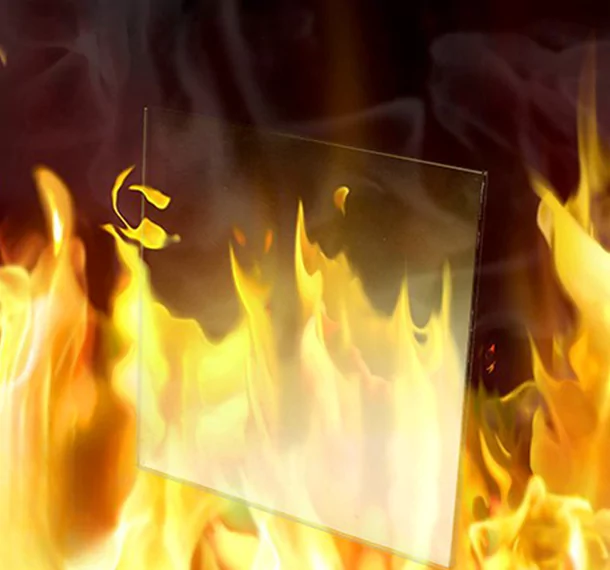
SINGLE LAYER FIRE-RATED GLASS
Learn more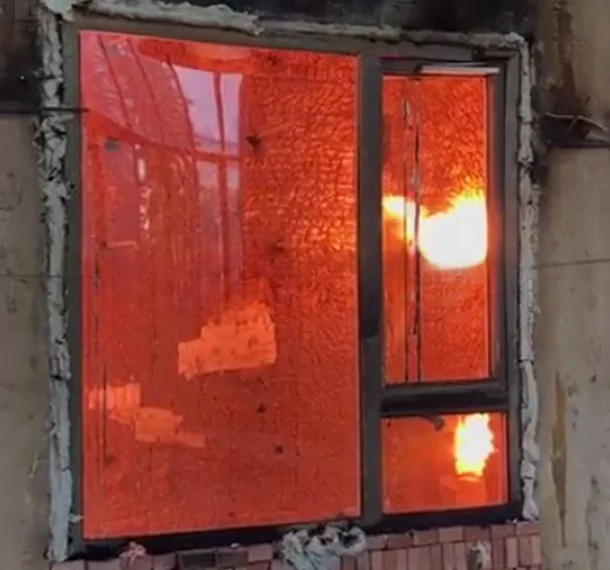
DOUBLE LAYERS FIRE-RATED GLASS
Learn more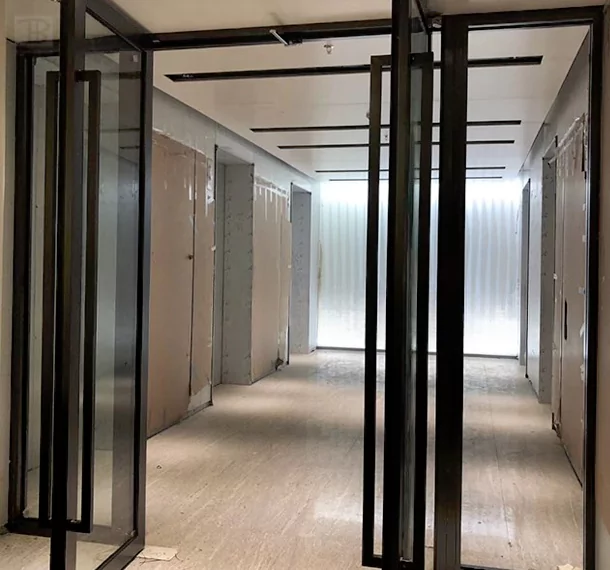
FIREPROOF GLAZING WINDOWS AND DOORS
Learn more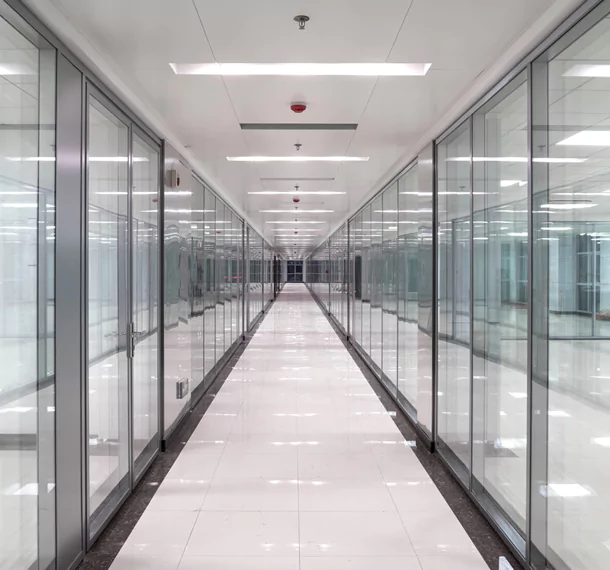
To fire safety in construction, the ratings assigned to fire rated glass is crucial. the e, ew, and ei ratings are essential indicators of a product's ability to withstand fire and protect lives in Zimbabwe.
E ratings signify the integrity of the glass under fire conditions. this rating indicates that the glass can maintain its structure without allowing flames or hot gases to pass through for a specified duration.
- ew ratings extend beyond mere integrity; they also consider radiation control. this means that while maintaining structural integrity during a fire event, ew-rated glass also limits the amount of heat radiation that can pass through it.
- EI ratings encompass both integrity and insulation properties. an ei-rated product not only prevents flames from passing but also minimizes heat transfer, providing an additional layer of protection in Zimbabwe.
These ratings helps ensure compliance with building codes and standards designed to safeguard occupants in case of a fire emergency. architects and builders must prioritize these classifications when selecting materials for their projects to ensure maximum safety.
Fire rated glass offers numerous benefits that go beyond just compliance with safety regulations. one significant advantage is its safety features; it acts as a barrier against flames and smoke while allowing light to permeate spaces where traditional materials would be opaque.
This type of glass provides aesthetic versatility in design. unlike conventional fire-resistant materials that may compromise visual appeal, modern fire rated glass can be sleek and stylish, seamlessly integrating into contemporary architectural designs without sacrificing functionality or safety.
Incorporating fire rated glass into buildings enhances overall safety while contributing positively to the environment by allowing natural light into spaces—reducing reliance on artificial lighting during daylight hours.
The applications for fire rated glass are vast across various industries. in commercial buildings such as offices or retail spaces, this material is often used in partitions or windows where visibility is paramount but so is safety from potential fires.
In residential settings, homeowners increasingly recognize the value of incorporating fire rated glass into their designs—whether it's for large windows overlooking outdoor areas or as part of internal doors leading to garages or utility rooms.
Public spaces also benefit greatly from using this specialized glazing material; it serves as an effective safety barrier while maintaining an open feel within environments like airports or shopping malls where large crowds gather regularly.
As technology advances, so too does the evolution of fire rated glass products. innovative developments are paving the way for smarter solutions with enhanced performance characteristics—such as self-extinguishing capabilities or integrated sensors that alert occupants about rising temperatures nearby.
Trends towards sustainable building practices are influencing manufacturers' approaches toward creating eco-friendly options within this category—resulting in products made from recycled materials without compromising on quality standards required for effective firefighting measures.
With ongoing research focused on improving thermal insulation properties while reducing weight—all while adhering strictly to rigorous compliance requirements—the future looks promising for those who prioritize both beauty and security through intelligent design choices involving high-quality fire rated glazing solutions.
Modern contemporary and up-to-date world, building safety is of utmost importance. Fire protection measures must be in place at commercial residential and public structures alike; fire-rated glass Zimbabwe doors stand out as one of the many available solutions that are effective and provide peace of mind during emergencies as a secure environment. They have been engineered manufactured to withstand extreme heat temperatures flames providing a crucial barrier against further fire spreading.
Constructed using high-performance glass materials, fire-rated glass Zimbabwe doors feature superior transparency while simultaneously maintaining their robustness strength and durability.
Furthermore, these doors typically incorporate intumescent seals, fireproof layers and thermal barriers that expand and seal gaps during a fire, thus preventing smoke infiltration, flame transmission and the spread of heat.
Selecting fireproof glass doors not only increases safety but also adds aesthetic value to any space building interior - they add a sleek modern contemporary style that blends in well with any design scheme architectural style or decor.
Fire-rated glass doors provide an extensive and multifaceted approach for safeguarding pathways. By investing in these doors, you are making a wise smart intelligent choice to safeguard lives and property alike.
Fire-Resistant Glass Windows Provide Protection and Visibility Fireproof glass windows offer buildings an essential form of defense in times of fire, providing increased protection during the raging of an inferno. Constructed using special materials designed to withstand extreme temperatures, these windows protect occupants against flame spread while providing visibility during evacuations. Furthermore, fire-resistant windows often retain visibility despite extreme temperatures making sightlines crucial in emergency evacuation procedures.
Fire-resistant glass windows are often employed in high-risk structures such as hospitals, hotels and commercial complexes for added fire protection. Furthermore, fireproof glazing also improves thermal performance by decreasing heat transfer within buildings.
Fire-Resistant Glass Dividers: Establishing Safe Havens Within a Building
Building safety has never been more essential in modern society; fireproof glass partitions play a critical role in safeguarding occupants and their belongings within structures by creating safe havens from flames or smoke that pose threats, providing essential layers of protection to ensure safe escape routes are available should an emergency occur.
These constructions use specially manufactured glass and interlayers with exceptional fire-resistance properties, enabling them to withstand extreme heat for an extended period, effectively containing fires and safeguarding adjacent areas from potential dangers. While their primary function may be fire safety, fireproof glass partitions also add sophistication while simultaneously increasing building security.
Electronic locks are utilized in a range of settings, such as office buildings, hospitals, teaching institutions and residential complexes.
Fire-rated glass partitions should be an essential consideration for any building owner or developer looking to ensure the wellbeing and security of their occupants. By creating designated safe zones, fireproof partitions can significantly lower risk from fire damage while providing a more secure environment within their structure.
Implementing Fire-Glazed Floor Systems to Achie the Ultimate Protection
Implementing fireproof flame retardant flooring systems is vital to mitigating risks related to infernos blazes. Fire-glazed Ceramic-coated Enameled floor systems offer exceptional protection and safety due to their inherent durability, strength and robustness. These systems are specifically designed to withstand intense thermal exposure, limiting flame spread and ignition for safer environments spaces areas. Fire-glazed floor systems installed properly can significantly mitigate and minimize the destruction caused by fires blazes infernos, protecting lives as well as property assets possessions.
Fire-glazed ceramic-coated enameled floor systems offer numerous advantages, including: Protection, Improvement in structural integrity and reduced fire impacts
Skylight Solutions with Built-In Fire Resistance
When choosing skylights for your structure, special consideration must be paid to both their aesthetic and functional aspects. Although natural lighting is an invaluable asset, fire safety remains of utmost importance. Luckily, modern skylight solutions now come with built-in fire resistance features that offer increased peace of mind while meeting building codes - often using materials with inherent fire retardant properties or innovative glazing technologies that resist heat transfer - making your environment safer than ever before. By including fire resistance into their construction designs skylights can contribute significantly towards making environments safer than before - giving peace of mind in an otherwise dangerous world.
Fire resistance ratings of skylights depend on several variables, including their material construction and type. Glass material type, framing material choice and any additional components also factor into this assessment.
Consultations with an experienced building professional can assist in determining the appropriate fire resistance rating for your specific needs and local regulations. Looking into skylights with built-in fire resistance may provide both aesthetic appeal and important safety advantages.
Viewing Through Safety: Transparent Fire Barriers Infrastructure development demands safety at every stage, yet traditional firewalls have often presented a difficulty for maintaining both visual harmony and fire safety regulations. Thanks to advancements in glass technology, however, transparent fire barriers offer a compelling solution by offering unobstructed views while simultaneously complying with stringent fire safety requirements.
"These barriers create a sense of openness and spaciousness within structures. Modern architects are increasingly including transparent fire barriers into their designs to create eye-catching yet functional spaces."
Utilizing this technology not only increases safety but also increases aesthetic appeal of any building.
Protecting with Clarity: Fire-Rated Glass Doors, Windows and Partitions
In today's world, building safety is of utmost importance. Flame ratings play an integral part in making buildings safe to withstand emergencies and safeguard lives; when it comes to glass doors, windows, and partitions fireproof options offer additional layers of security allowing residents time to escape safely if a disaster should arise.
Fire-proof glass is engineered with special laminates that contain flame and prevent it from passing through to ignite nearby areas.
placement of fireproof glass is key to maintaining its effectiveness. Appropriate framing and connection must occur to avoid gaps that would allow flames to pass through.
Compliance with local building codes and fire safety regulations is of utmost importance when selecting and installing fireproof glass products in buildings. By adding fireproof glass to the design of your building, you strengthen its overall safety profile while creating a more secure environment for occupants.
Integrating Fire Safety through Smoke Barriers with Fire-Rated Glazing Fire-Rated Glazing
As architects implement modern design philosophies, balancing aesthetics with essential safety considerations has become ever more essential. One crucial aspect that is often neglected when it comes to glazing systems is fire safety - one crucial aspect being fire-rated glazing which helps limit fire spread while protecting lives and property at the same time.
Fire-rated glazing units are specially engineered and constructed to withstand high temperatures for an extended period, serving as a barrier against flames and heat. Furthermore, fireproof glazing may contribute to building integrity by helping resist collapse during an incident of fire.
architects should select from among several types of fire-rated glazing options, each offering distinct properties and benefits. When making their selection, architects should take into account factors such as fire resistance levels required, type of glass used and design aesthetic; by including fire-rated glazing in their designs they can ensure safe buildings that also fulfill highest fire safety standards.
Fire-Rated Glass While glass's visual impact cannot be denied, fireproofed versions provide additional safety. Manufactured to withstand high heat levels without shattering under pressure, fireproofed types provide vital time for evacuation in a fire emergency situation.
Fire-proof glass provides more than life safety; it helps strengthen buildings by controlling flame spread and heat build-up, thus helping reduce damages more rapidly and providing for faster fire response times.
Implementing fireproof glass into building construction is more than a compliance obligation; it represents an investment in both the safety of occupants and longevity of the structure itself.
Modern Fire-Rated Glazing Solutions Modern architecture increasingly demands an aesthetic-safe balance in terms of style and safety, providing fireproof glazing as an innovative solution to meet these requirements. No longer limited to utilitarian applications, fire-rated glazing now incorporates into modern structures in many forms - from minimalist facades to intricate geometric patterns - seamlessly blending with their surroundings while meeting all fire safety regulations.
Specially-formulated glass is specifically designed to withstand heat transmission and contain flames for an extended period, providing important time for evacuation should there be an occurrence.
These innovative materials often incorporate metallic interlayers within their structure, effectively blocking heat flow and limiting fire spread.
Exclusive decorative treatments are available to enhance different architectural styles, creating customized designs that provide both safety and visual appeal.
As building codes continue to change, fire-resistant glazing has become an indispensable component in modern construction. By offering robust fire protection with aesthetic versatility, this groundbreaking technology empowers architects and designers to build structures that are safe, sustainable and visually stunning at once.
Protecting Your Structure With Fire Rated Glass
In order to mitigate against building fires, having robust safety measures in place is of the utmost importance. One often-overlooked element is fire-rated glass - designed specifically to withstand intense heat for prolonged periods and act as a key safeguard against flames and smoke spreading throughout a structure.
Fire-rated glass contains special materials within its structure that help it withstand extreme temperatures, keeping its integrity even when subjected to direct flame exposure and providing time for people inside a burning building to safely evacuate before succumbing to their injuries. This feature of fireproofing provides fire-rated glass with the capability of delaying heat transference into its core, giving occupants precious seconds before their escape is necessary.
By strategically using fireproof glass in walls, doors, and windows, buildings can achieve greater protection from fire's devastating effects.
In the realm of fire-rated glass Zimbabwe applications, several successful projects stand out as exemplars of innovative design and safety considerations. Let's delve into three notable projects where fire-rated glass Zimbabwe has been utilized effectively as glass doors or walls:
1. Project Name: Skyline Tower_
- Effect: The integration of fire-rated glass doors in common areas enhances the building's aesthetic appeal while ensuring compliance with safety regulations in Zimbabwe.
2. Project Name: Tech Hub Innovation Center_
- Effect: Transparent fire-rated glass walls create an open and collaborative workspace, promoting natural light flow and visual connectivity without compromising on safety measures.
3. Project Name: Metro Central Office Complex_
- Effect: Fire-rated glass partitions used throughout the office space not only delineate work areas but also foster a sense of spaciousness and modernity while prioritizing occupant safety.
These projects showcase how the strategic incorporation of fire-rated glass elements can elevate both form and function in architectural design, setting new standards for building aesthetics and safety protocols.
Fill the form below to get in touch with us.
Our Location in Zimbabwe:Zimbabwe,Zimbabwe
VIDRIO RESISTENTE AL FUEGO Itaugua
VERRE COUPE-FEU Kipushi
FIRE-RATED GLASS West Bengal
VIDRIO RESISTENTE AL FUEGO La Piedad
ОГНЕЗАЩИТНОЕ СТЕКЛО Казань
FIRE-RATED GLASS Tamil Nādu
زجاج مقاوم للحريق ديبري ماركوس
防火ガラス 新居浜
YANGINA DAYANIKLI CAM Bartın
FIRE-RATED GLASS Dominica
