Boston Fire Rated Glass Solutions: Certified for MA State Building Code 780 CMR

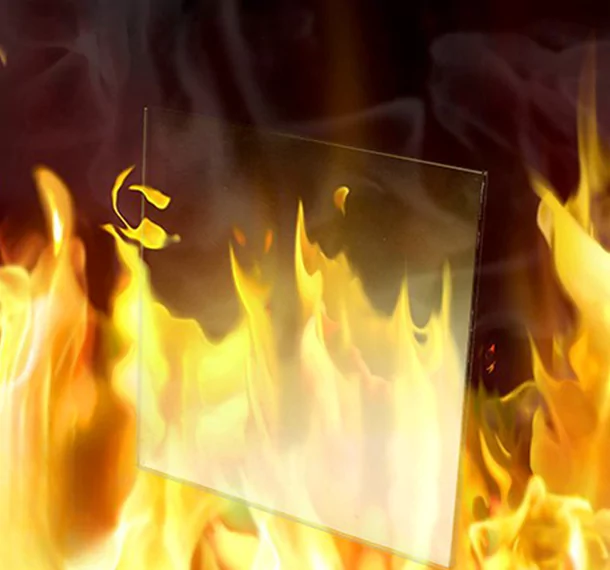
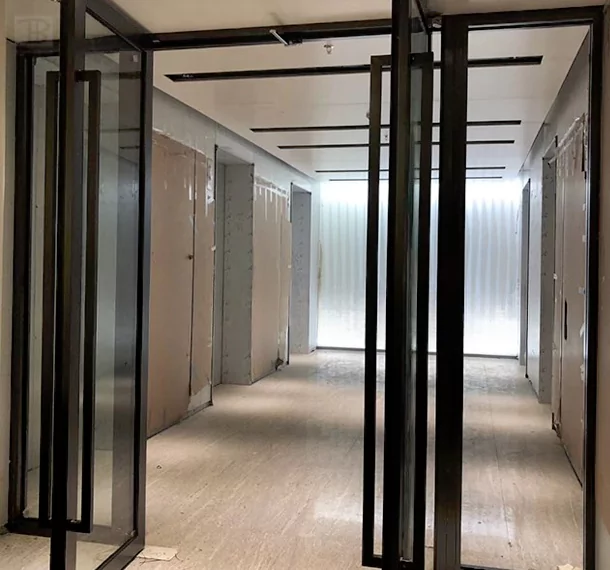
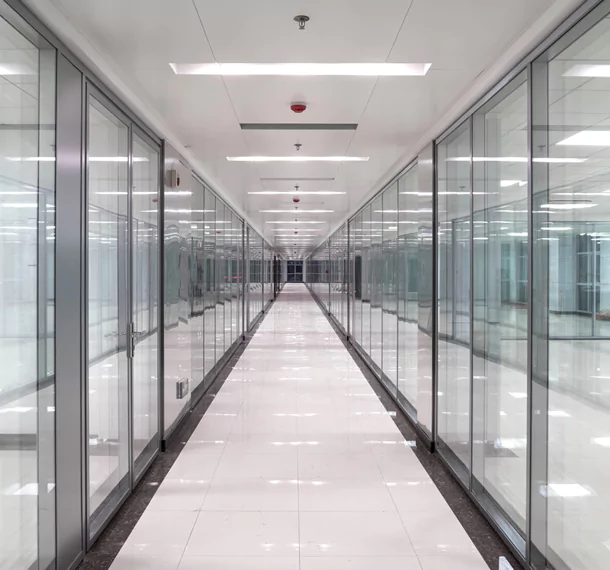
Boston’s construction environment demands rigorous adherence to fire safety standards, particularly the Massachusetts State Building Code 780 CMR, which governs fire-resistance-rated glazing for commercial and residential projects. Antifires provides certified fire rated glass solutions that align with NFPA 251 and ASTM E119 testing protocols, ensuring compliance for egress corridors, vertical openings, and mixed-use developments across the city. From historic retrofits in Beacon Hill to new high-rises in the Seaport Innovation District, these glazing systems deliver verified integrity and insulation performance—such as EI60 and EI120 ratings—without compromising architectural vision. The local code requires fire-resistance ratings ranging from 45 to 120 minutes depending on occupancy and building type, and Antifires assemblies are engineered to meet these thresholds with precision. For specifiers and contractors, referencing the official Massachusetts 780 CMR Chapter 7 provides the regulatory framework for selecting appropriate fire-protection-rated glazing. Antifires supports Boston projects with UL-classified products, stamped submittals for plan review, and localized technical expertise to streamline approval processes.

Compliance with Massachusetts 780 CMR and NFPA 251 Fire Testing Protocols

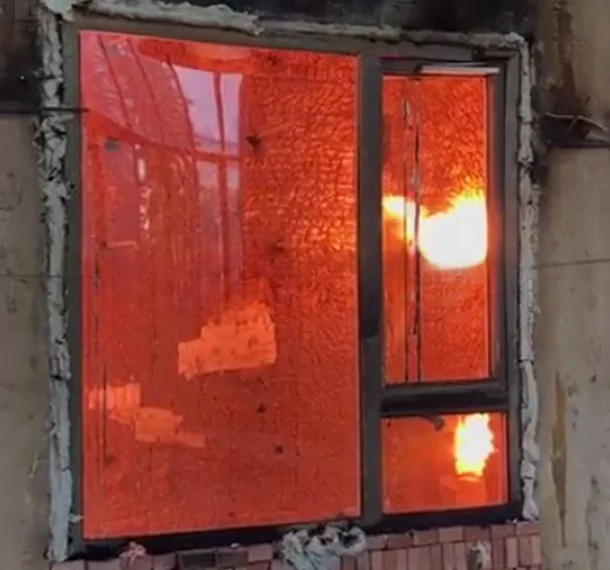
Massachusetts 780 CMR directly references NFPA 251 and ASTM E119 for establishing fire resistance ratings of building elements, including glazed assemblies. For Boston projects, this means that any fire door systems or glazed partitions installed in egress corridors, stairwells, or vertical openings must demonstrate verified performance under these standardized furnace tests. Antifires fire-rated glass assemblies are tested to BS EN 1634-1 and BS 476 Part 22 protocols, which align with the ASTM E119 methodology for integrity (E) and insulation (I) criteria. In practice, a 60-minute fire door in a Back Bay commercial building requires glazing that prevents flame penetration and limits temperature rise on the unexposed side to an average of 140°C. Antifires 28mm EI60 panels, for instance, achieve 66 minutes of integrity and 64 minutes of insulation, exceeding the minimum threshold for such applications. The 60-minute fire-rated glass and insulation solutions from Antifires are specifically designed to meet these code requirements while accommodating the structural demands of Boston’s dense urban fabric. Specifiers should verify that all assemblies include the required intumescent seals and ceramic wool bedding—typically 3mm to 6mm at 210 kg/m³ density—to maintain the fire barrier integrity during a fire event.

Performance Specifications for Boston’s Mixed-Use High-Rise and Coastal Climate Conditions

Boston’s coastal climate and mixed-use high-rise developments present unique challenges for fire-rated glazing systems. The combination of high humidity, salt-laden air, and thermal cycling demands materials that resist degradation while maintaining fire performance. Antifires multi-layer composite insulated fire-resistant glass, such as the 21mm FPOS structure (multi-layer tempered glass with intumescent gel), is engineered to withstand these environmental stresses without compromising its 120-minute integrity rating. For projects in the Seaport district, where wind loads and pressure differentials are significant, the glazing systems are installed with G.M.S. hollow steel frames and M6/M8 anchor bolts spaced at 300–600mm intervals to ensure structural stability. The 90-minute fire-rated glass integrity-only systems are suitable for interior applications where insulation is not required, such as atrium enclosures, while EI-rated assemblies are mandatory for compartmentation walls. During testing, maximum deflection toward the furnace reached 38mm to 152mm, demonstrating the system’s ability to absorb thermal expansion without failure. For Boston specifiers, selecting the appropriate glazing thickness—from 10mm for basic integrity to 54mm for ultra-high-performance EI120—depends on the specific fire-resistance rating and thermal insulation demands of the building’s occupancy classification.

Application Demands for Boston’s Healthcare, Education, and Transit Hubs

Boston’s Longwood Medical Area and educational institutions like MIT and Harvard require fire-rated glazing that meets both 780 CMR and impact safety standards such as ANSI Z97.1 and CPSC 16 CFR 1201. In healthcare settings, fire partitions in ICU units, operating suites, and patient corridors must prevent flame spread while protecting occupants from accidental impact. Antifires laminated fire glass, constructed with multiple layers of tempered glass and intumescent gel (e.g., 26mm door glass: 5mm + 5.5mm gel + 5mm + 5.5mm gel + 5mm), provides the necessary impact resistance alongside fire ratings of up to 90 minutes integrity and 68 minutes insulation. For transit hubs like South Station and Logan Airport, where high foot traffic demands robust glazing, the 120-minute fire-rated glass and insulation systems offer both fire compartmentation and safety glazing compliance. The ceramic wool and intumescent fire seals (20mm × 4mm) used in these assemblies ensure that gaps do not form during a fire, while the expansion gaps of 3mm–5mm filled with ceramic fiber accommodate thermal movement. For Boston’s education sector, fire-rated glass in laboratory partitions and corridor walls must also meet the radiation control (W) criteria, limiting radiant heat transfer to protect egress paths. Antifires EW120-rated assemblies provide this additional layer of protection, making them ideal for science buildings and research facilities.

Antifires Local Stock and Code-Approved Certification for Boston Specifiers

For Boston specifiers and contractors, Antifires maintains a local inventory of UL-classified fire-rated glass and frame systems, significantly reducing lead times for urgent projects in the Downtown Crossing and Seaport districts. The product range includes integrity-only ratings (E60, E90, E120) and combined integrity-insulation ratings (EI30, EI60, EI120), all tested under BS 476 Part 22 and BS EN 1634-1 protocols. Each assembly is supplied with stamped submittals that detail the fire test data, including furnace thermocouple configurations (Type K, 9–12 channels) and unexposed surface monitoring (10–55 thermocouples), ensuring full compliance with 780 CMR plan review requirements. The technical team provides project-specific guidance on frame selection—G.M.S. hollow steel sections with 12mm–15mm fire-rated insulation board—and installation specifications such as anchor bolt spacing and ceramic tape application. For historic retrofits in the North End, where preserving original sightlines is critical, Antifires offers 10mm FPOS glass that achieves 135 minutes integrity while maintaining a slim profile. All products are backed by certified test reports conducted under ambient conditions of 27°C–36°C and relative humidity of 43%–90%, ensuring reliable performance in Boston’s variable climate. Contractors can request a project consultation to receive tailored specifications and expedited delivery schedules for ongoing construction.

REQUEST A QUOTE

Fill the form below to get in touch with us.

click

Frequently Asked Questions (FAQ)

Yes, Antifires fire-rated glass assemblies are designed to meet the Massachusetts 780 CMR requirements for 60-minute fire doors in Boston commercial buildings. The 28mm EI60 panels, tested to BS EN 1634-1, achieve 66 minutes of integrity and 64 minutes of insulation, exceeding the 60-minute threshold. These assemblies incorporate intumescent seals (20mm × 4mm) and ceramic wool bedding (3mm–6mm at 210 kg/m³ density) within G.M.S. hollow steel frames to maintain the fire barrier. For doors requiring only integrity, the 6mm E90 glass provides 90 minutes of flame penetration resistance. All products come with UL-classified documentation and stamped submittals for 780 CMR plan review, ensuring compliance with Boston Fire Department and local building authority requirements.

For historic window retrofits in Boston’s North End, Antifires recommends the 10mm FPOS fire-rated glass, which provides 135 minutes of integrity with a slim 10mm profile (3mm float glass + 4mm fire gel + 3mm float glass). This thickness allows for installation within existing historic frames while maintaining the original sightlines required by Beacon Hill preservation codes. For applications requiring thermal insulation, the 15mm FPOS glass (multi-layer tempered glass with intumescent gel) offers integrity up to 132 minutes and insulation for 33–34 minutes, suitable for windows exposed to egress corridors. Both options are tested to BS 476 Part 22 and ASTM E119 protocols, ensuring compliance with 780 CMR without compromising heritage aesthetics.

Yes, Antifires provides UL 263 certified fire-rated glass assemblies with expedited delivery options for ongoing construction projects in the Seaport Innovation District. The local Boston-area inventory includes EI60 and EI120 rated panels (28mm and 50mm/54mm thicknesses) that are pre-certified under ASTM E119 and NFPA 251 testing protocols. For urgent retrofits, the 21mm FPOS glass (120-minute integrity, 30-minute insulation) is typically available within 5–7 business days. The technical team can provide stamped submittals, including furnace test data with Type K thermocouple configurations and unexposed surface monitoring results, to expedite plan review by Boston building officials. Contractors should contact Antifires directly to confirm current stock levels and arrange priority shipping for Seaport district projects.