Konya Fire Rated Glass and Certified Building Protection for Turkish Industrial Zones

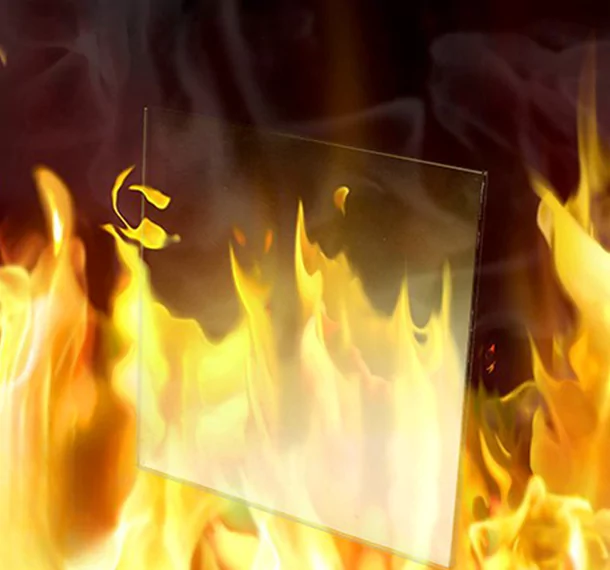
Konya’s rapid industrial expansion, particularly within its organized industrial zones (OIZ) and the growing tourism sector surrounding the Mevlana Museum, demands building materials that meet stringent Turkish fire safety regulations. For architects, contractors, and facility managers, specifying certified fire rated glass is not merely a compliance exercise but a critical component of life safety and property protection. The Turkish Standards Institute (TSE) mandates adherence to TS 12633, which aligns closely with European EN 1363 classifications for fire resistance. These standards define the performance criteria for elements like glazed partitions, doors, and windows, requiring ratings from EI 30 (30 minutes of integrity and insulation) to EI 120 for high-risk areas.

Navigating the local permitting process in Konya requires documented proof of compliance. Products must demonstrate tested performance under controlled furnace conditions, verifying both Integrity (E)—the ability to prevent flame and hot gas penetration—and Insulation (I)—limiting temperature rise on the unexposed side. Antifires provides systems that are rigorously tested to these exacting standards, ensuring that a new logistics warehouse or a renovated historic hotel can achieve the necessary building permits without delay. For further details on the specific regulatory framework, professionals can refer to the Turkish Standards Institution (TSE) official portal for the latest updates on TS 12633.

Beyond basic compliance, the selection of a fire-rated system must account for local environmental factors. Konya’s dry continental climate and dust-laden conditions in industrial parks require glazing that maintains its structural integrity over time. Antifires’ solutions, such as the 60 minute fire rated glass with integrity and insulation, are designed to withstand these operational stresses while providing transparent, safe barriers that facilitate both workflow and emergency egress.

Aligning with TS 12633 and EN 1363 Fire Resistance Standards for Konya’s Building Permits

Securing a building permit in Konya’s municipalities requires a clear demonstration that all passive fire protection elements meet the specifications of TS 12633 and the European EN 1363 series. These standards are the bedrock for classifying fire-resistant glazing, defining how materials behave under the ISO 834 time-temperature curve, which simulates a fully developed fire. The alignment between TSE and EN standards simplifies specification for international and local engineering firms working on projects in Konya’s industrial zones.

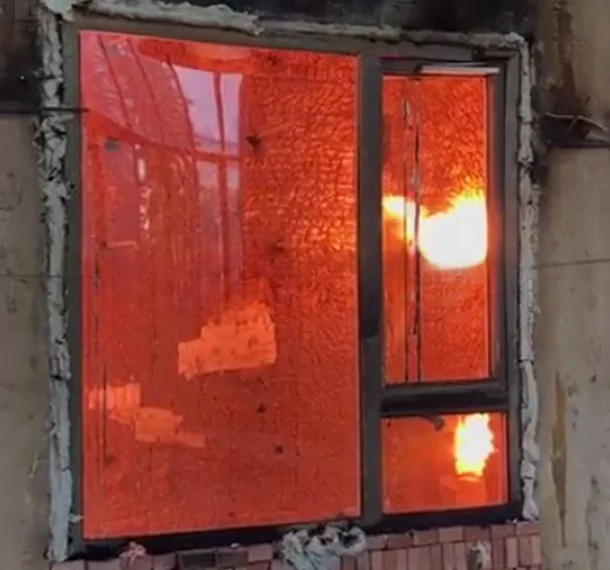
The key performance metrics under these standards are Integrity (E) and Insulation (I). For example, an EI 60-rated system must prevent flame penetration and maintain an average temperature rise of no more than 140°C on the unexposed face for 60 minutes. This is critical for compartmentation in high-occupancy commercial structures, such as shopping centers or large hotels. Antifires’ systems, including the 90 minute fire rated glass for integrity only, provide documented test reports that directly satisfy these local requirements, ensuring a smooth path to project approval.

For industrial warehouses storing flammable materials, a higher rating like EI 120 is often mandated. This requires a multi-layered glass composition, typically 50mm to 54mm thick, incorporating intumescent interlayers that expand under heat to form an insulating shield. The test data for such assemblies, conducted under conditions including furnace pressure of 0 ±2Pa and ambient temperatures of 27°C, confirms their ability to provide up to 120 minutes of both integrity and insulation, a performance level essential for Konya’s large-scale manufacturing facilities.

Selecting the Correct Fire Rated Glass Grade for Konya’s Extreme Temperature and Dust Conditions

Selecting the appropriate fire-rated glass grade for Konya’s specific environmental conditions involves more than just reviewing a rating label. The city’s dry continental climate, characterized by significant temperature swings and low humidity, combined with dust-prone conditions in industrial parks, demands a glazing system that offers robust mechanical durability. A laminated fire-rated glass construction is the optimal choice for these scenarios.

The recommended minimum specification for such environments is an EI 60 rating. This is typically achieved with a multi-layer structure, such as a 28mm panel composed of multiple glass panes bonded with intumescent gel layers (e.g., 6mm glass + 5.5mm gel + 5mm glass + 5.5mm gel + 6mm glass). This construction provides proven performance: test data shows this specific assembly achieves an integrity of 66 minutes and insulation of 64 minutes. The intumescent interlayers are critical; they activate at high temperatures, expanding to absorb heat and maintain the structural stability of the assembly even when the surface glass cracks, which typically occurs within the first 2–4 minutes of exposure to a furnace exceeding 1000°C.

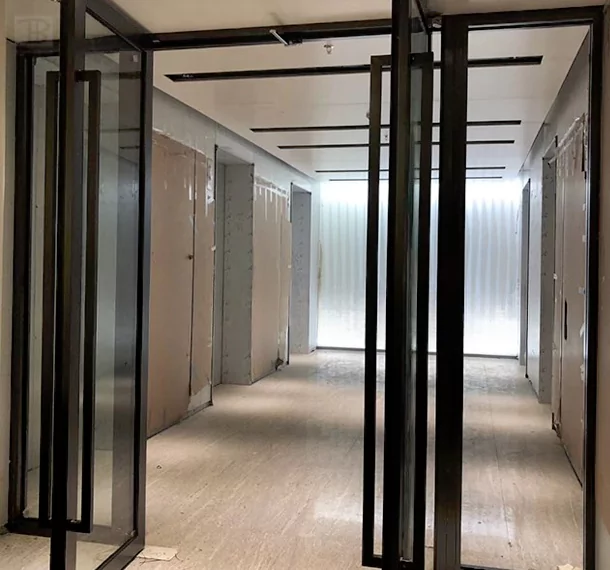
For applications requiring higher safety margins, such as near furnaces or in chemical storage areas, an EI 90 or EI 120 grade is advisable. For instance, a 26mm door glass system, tested to BS 476 Part 22, demonstrates an integrity of 89–90 minutes and insulation of 68 minutes, making it suitable for high-traffic escape routes. The frame and installation method are equally vital; using G.M.S. hollow steel sections with 3mm–5mm expansion gaps filled with ceramic fiber ensures the entire system performs as tested under the harsh conditions of Konya’s industrial parks.

Meeting Fire Safety Demands in Konya’s Automotive Parts Factories and Historic Hotel Renovations

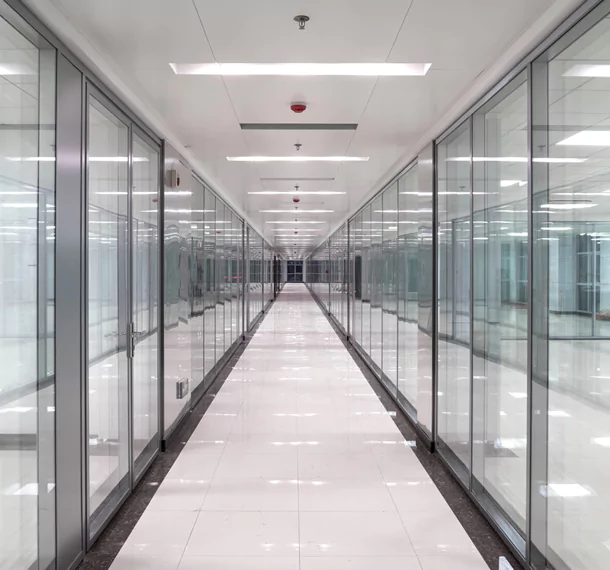
Konya’s diverse architectural landscape presents two distinct fire safety challenges: modern automotive parts factories and historic hotel renovations in the city center. Each requires a tailored approach to fire-rated glazing. In the automotive supply chain, factories require fire-resistant partitions in assembly lines and storage areas to prevent the rapid spread of fire between critical production zones. These applications often demand high integrity and insulation ratings to protect valuable machinery and ensure safe egress for workers.

For these industrial settings, fire partition solutions using systems like the 21mm FPOS glass are effective. This multi-layer composite structure provides an integrity of 120 minutes and insulation of 30 minutes, offering a robust barrier that can contain a fire long enough for emergency response. The installation must be precise, with the glass set into a steel frame using ceramic wool (density 210 kg/m³) and intumescent seals (20mm x 4mm) to maintain the fire-rated seal under pressure.

Conversely, boutique hotels near the Mevlana Museum face a different challenge: integrating modern fire safety into heritage aesthetics. Here, non-intrusive fire rated windows are essential. These must meet EN 1634-1 standards for door and window assemblies while preserving the historical character of the building. A 10mm FPOS glass (3mm float glass + 4mm fire gel + 3mm float glass) offers a slim profile that can be fitted into existing timber or steel frames. While its insulation is limited to 16 minutes, its integrity rating of 135 minutes ensures that the glazing remains in place, preventing flame spread and allowing occupants to evacuate safely, all without compromising the visual integrity of the historic structure.

Why Antifires Is the Preferred Partner for Konya’s Industrial Fireproofing and Logistics Projects

Antifires has established itself as a preferred partner for fireproofing projects in Konya and across Turkish industrial zones, with over 50 successful installations demonstrating our capability. Our value proposition is built on three pillars: certified compliance, localized support, and logistical efficiency. We provide comprehensive technical documentation in both Turkish and English, directly aligned with the requirements of Konya’s building control authorities.

Our manufacturing facility holds ISO 9001 and TSE certification, ensuring that every product, from a single fire rated glass door to a complete partition system, is produced under strict quality controls. This certification is critical for engineering firms in Konya who require verifiable, traceable product provenance for their project documentation. We offer direct logistics to Konya’s OIZ, reducing lead times and ensuring that materials arrive on schedule, a key factor for maintaining project timelines in fast-paced industrial construction.

Furthermore, Antifires provides expedited sample delivery for local engineering firms, allowing for in-situ testing and verification before full-scale procurement. Our technical team is experienced in specifying the correct frame, sealant, and installation method—such as using M6/M8 anchor bolts at 300–600mm spacing with 12mm–15mm fire-rated insulation board—to ensure that the final assembly performs exactly as tested. This end-to-end support, from specification to delivery, makes Antifires a reliable and expert partner for Konya’s most demanding fire safety projects.

REQUEST A QUOTE

Fill the form below to get in touch with us.

click

Frequently Asked Questions (FAQ)

Yes, Antifires provides comprehensive test reports that are fully accepted by Konya’s building control authorities. All our products are tested in accredited laboratories according to TS 12633 and European EN 1363 standards, which are the recognized benchmarks for fire resistance in Turkey. These reports detail the exact performance of our glazing systems, including Integrity (E) and Insulation (I) ratings, under controlled furnace conditions that simulate a real fire scenario. For example, our EI 60 and EI 120 systems come with documentation verifying their performance, including data on temperature rise on the unexposed side and resistance to flame penetration. We can provide these reports in both Turkish and English to facilitate a smooth review process with local municipal inspectors and project consultants.

For glazed partitions in Konya’s food processing plants, where high humidity and frequent washdowns are common, a minimum fire rating of EI 60 is strongly recommended. This rating ensures that the glass can maintain its integrity and insulation properties for 60 minutes, providing a safe compartmentation barrier in the event of a fire. However, the specific product selection must also account for the corrosive environment. Antifires recommends using a multi-layered laminated glass system, such as the 28mm EI60 panel, which is constructed with intumescent gel layers that are sealed within a robust frame. The frame should be made of powder-coated or stainless steel to resist moisture, and the installation must include proper expansion gaps filled with ceramic fiber to accommodate thermal movement without compromising the fire seal. This combination of high fire rating and corrosion-resistant materials ensures long-term performance in demanding industrial hygiene conditions.

Absolutely. Antifires specializes in providing custom-sized fire-rated windows that are ideal for historic building renovations in Konya’s city center, such as boutique hotels near the Mevlana Museum. We understand that preserving heritage aesthetics is paramount in these projects. Our solutions, such as the 10mm FPOS glass, offer a slim profile that can be fabricated to fit non-standard openings and existing frame rebates. This glass provides an impressive integrity rating of 135 minutes, ensuring safety without requiring bulky, modern frames that would detract from the historical character. We work closely with architects and contractors to match the existing sightlines and glazing details. Our manufacturing process allows for precise customization of dimensions and edgework, and we can supply the necessary ceramic tapes and intumescent seals to ensure the installation meets EN 1634-1 standards while remaining visually discreet.