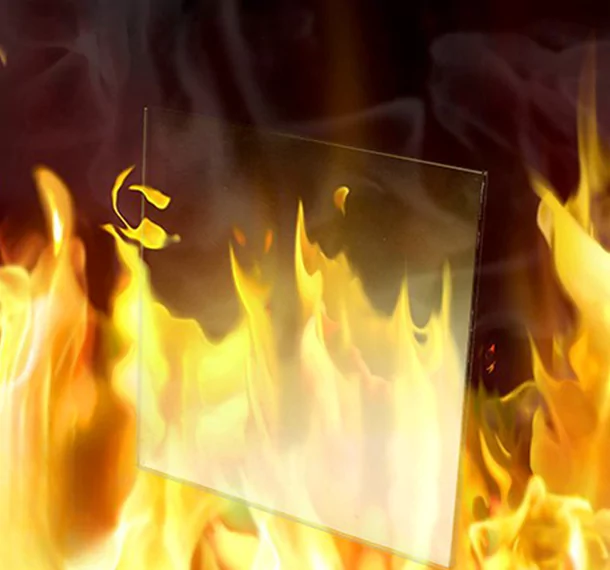
SINGLE LAYER FIRE-RATED GLASS
Learn more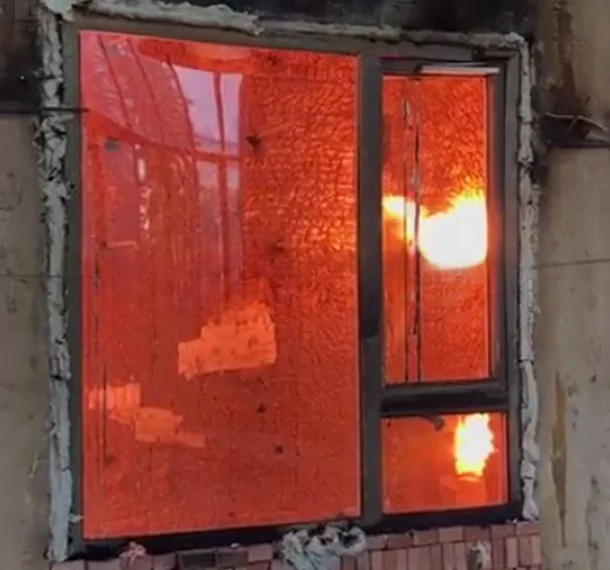
DOUBLE LAYERS FIRE-RATED GLASS
Learn more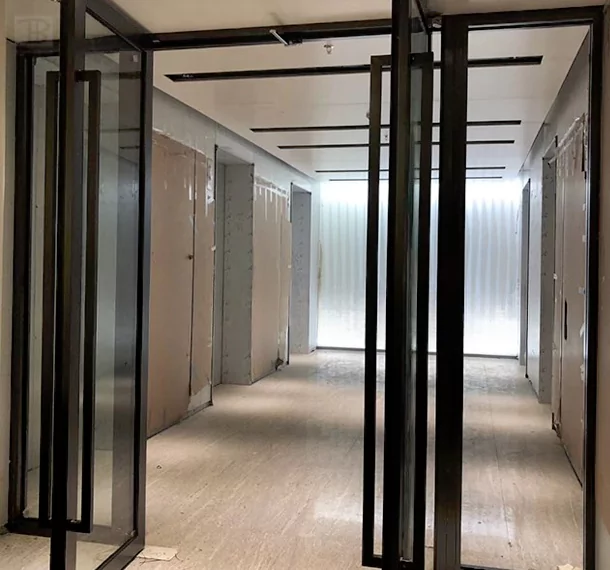
FIREPROOF GLAZING WINDOWS AND DOORS
Learn more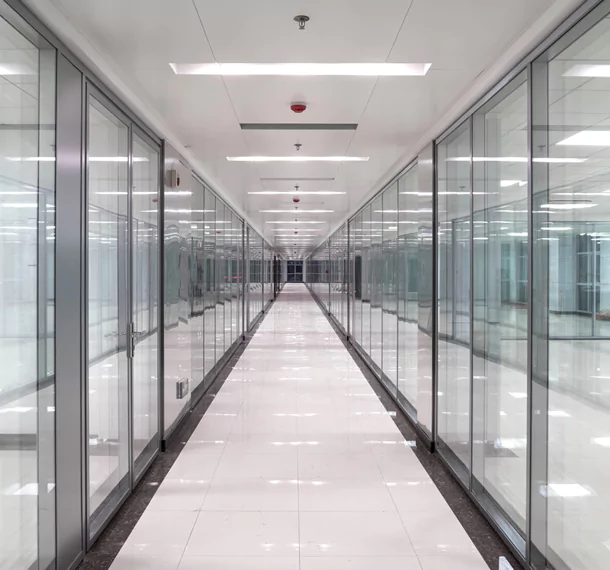
Fire rated glass is an essential component in modern construction, serving as a critical barrier against the spread of fire while maintaining aesthetic appeal and functionality. as safety standards and building regulations become increasingly stringent, the various types of fire resistant glass, their ratings, benefits, and applications is paramount for architects, builders, and safety professionals in Sri Lanka.
There are several types of fire rated glass available on the market today, each designed to meet specific safety requirements.
1. borosilicate glass: known for its excellent thermal resistance properties, borosilicate glass can withstand high temperatures without breaking or deforming. this type of glass is often used in areas where exposure to heat is a concern.
2. potassium fire-rated glass Sri Lanka : this innovative material incorporates potassium ions to enhance its fire resistance capabilities. it can endure prolonged exposure to flames while providing clarity and visibility in Sri Lanka.
3. crystalline silicon composite fire rated glass: this type combines crystalline silicon with other materials to create a robust barrier against fire. its unique composition allows it to maintain structural integrity even under extreme conditions.
4. wired glass: historically one of the most common forms of fire rated glass, wired glass features a network of wires embedded within it that help hold the pane together during a fire event. while it has been widely used in many applications, advancements in technology have led to newer options that offer better performance.
Fire rated glass is classified into several categories based on its performance during testing:
- e ratings: these ratings indicate that the glass can prevent flames and hot gases from passing through for a specified period.
- ew ratings: this classification denotes that the glazing not only provides flame resistance but also limits heat transfer through radiation.
- EI ratings: ei-rated products are designed to offer both integrity (e) and insulation (i), ensuring that they do not allow flames or excessive heat transfer during a fire scenario.
Testing standards for fire rated glass vary by region but typically involve exposing samples to controlled flame conditions for predetermined durations while assessing their performance against established benchmarks.
Incorporating fire rated glass into architectural design offers numerous advantages:
- fire resistance benefits: the primary purpose of using this specialized glazing is its ability to withstand high temperatures without compromising safety or structural integrity.
- thermal insulating properties: many modern varieties provide excellent thermal insulation alongside their fire-resistant qualities, contributing positively toward energy efficiency.
- aesthetic appeal in architecture: with advancements in design technology, architects can now utilize aesthetically pleasing options without sacrificing safety features.
- cost-effectiveness over time: investing in quality fire rated solutions may incur higher initial costs; however, over time they can lead to significant savings by reducing damage from potential fires and minimizing insurance premiums due to enhanced safety measures.
The versatility of fire resistant glass makes it suitable for various applications across multiple industries:
- in commercial buildings such as offices or retail spaces where open layouts are desired yet must comply with strict safety regulations.
- residential uses include incorporating these materials into doors or windows within homes located near high-risk areas prone to wildfires or other hazards.
- in healthcare facilities where patient safety is paramount; utilizing this type ensures compliance with stringent codes while providing necessary visibility between rooms.
- educational institutions benefit from implementing these solutions as part of their overall emergency preparedness strategies; ensuring safe environments within schools while maintaining transparency between classrooms or hallways.
The role and significance of fire rated glass within construction practices cannot be overstated. as we prioritize safety standards alongside aesthetic considerations more than ever before—integrating advanced glazing solutions will undoubtedly play an integral part moving forward into future architectural endeavors.
Fill the form below to get in touch with us.
Fire-rated glass serves as an important safeguard against the spread of fire. Constructed to withstand extreme temperatures and prevent flames from leaping through windows or other openings, fireproofed glasses provide vital time for escape routes during an evacuation event.
Fire-rated glass contains a special heat barrier layer to provide extra protection from fire. There are various grades of fireproofing glass available, each one designed for specific duration of fire protection. Building codes often mandate their installation in certain structures.
Heat-Resistant Glass for Safety and Security
Fire resistant glass offers an essential measure of safety and security in multiple settings. Crafted with special materials, fireproof glass has been specifically crafted to withstand high temperatures while still resisting thermal damage - an impressive capability which makes it perfect for use as fire-rated windows on commercial and industrial premises.
Fire resistant glass plays an invaluable role in increasing security by deterring break-ins. Its strength and resilience provide an unbreakable wall against intruders.
Fire resistant glass integrates safety and security features, making it a key part of modern structures' designs.
Fire Resistant Glass: Protecting What Matters Fireproof glass plays an essential role in safeguarding lives and property by acting as an essential barrier against flames and heat. Constructed to withstand extreme temperatures, it helps contain smoke while increasing visibility for safer exit routes in case of an emergency situation.
Fire protection glass often incorporates features, such as thermal barriers to minimize heat transfer and protect occupants from burns while also limiting structural damage. Residential settings frequently utilize fireproofed windows, doors, walls, and skylights.
Fire-retardant materials ensure they can withstand intense heat and pressure of a fire, helping prevent collapsed structures from collapsing while providing safe rescue operations.
Integrating fire protection glass into building design, architects and engineers can significantly strengthen safety measures while offering peace of mind to residents.
Heatproof Glass for Thermal Insulation Fire-resistant glass offers remarkable thermal insulation properties, making it an excellent choice for applications where both safety and energy efficiency are of utmost importance. Its special formulation contains additives that effectively block heat transfer - keeping spaces comfortably cool even at extreme temperatures - contributing to both an enhanced environment while simultaneously decreasing energy usage costs and associated consumption costs.
Anti-fire glass is highly resilient and capable of withstanding intense heat without succumbing to damage.
Fire-resistant glass's outstanding thermal insulation properties make it suitable for many different applications, including commercial buildings, homes and industrial facilities. By investing in anti-fire glass you are making an important statement about both safety and energy efficiency.
Transparent Fire Resistance: Maintaining Visibility in Emergencies
Clear sightlines are essential for swift and safe evacuation during an inferno, yet traditional fire-resistant materials often obscure vision, hampering escape routes and panic prevention. Transparent fire resistance provides a solution to this issue by employing advanced substances which withstand intense heat while remaining visible; this allows occupants to perceive their surroundings more readily, creating an orderlier evacuation process.
Transparent fireproof panels provide unimpeded views during emergencies, helping reduce confusion and panic. Their advanced materials have been engineered to withstand high temperatures without impairing visibility.
Transparent fire resistance allows for clear visibility, making evacuation more efficient and safe.
Building Codes and Fire-Resistant Glass
Adherence to building codes is of utmost importance in order to guarantee occupant safety and structural integrity during construction projects. Government organizations establish stringent requirements regarding various aspects of construction - such as fire resistance. An integral component in meeting these fire resistance requirements is fireproof glass formulated specifically to withstand elevated temperatures without spreading inferno, acting as an effective barrier against future fire outbreaks.
Fire-resistant glass plays an integral part in meeting building codes by offering essential fire protection within structures. It is often utilized on walls separating sections of buildings as well as windows and doors; its ability to contain flames while providing safe evacuation contributes to overall occupant safety while decreasing risk.
Fire-resistant glass offers other advantages such as sound insulation and increased natural light penetration.
Fire poses a severe threat to life and property. Understanding its behavior, prevention measures, and necessary safety protocols is critical in mitigating risk. This comprehensive guide explores fire-rated glass Sri Lanka smoke barriers the intricacies of fire protection so you can protect your home, workplace, and community with confidence.
At first, we will explore the fundamentals of fire science by looking at elements that contribute to combustion. You'll gain knowledge on combustible materials, ignition sources and what fuels fires.
Next, we'll explore effective fire prevention strategies. Learn effective methods of mitigating potential fire hazards in your environment such as proper storage of flammable liquids, regular maintenance of electrical systems and installing smoke detectors.
Create a comprehensive fire escape plan that includes meeting points and evacuation routes, then practice regular fire drills in order to become familiar with procedures in case of an emergency situation.
Provide your home with basic firefighting tools, including an extinguisher and alarm system that are in working condition.
This guide emphasizes the significance of fire safety awareness. We'll review best practices for managing common fire risks such as cooking fires, electrical malfunctions and unattended candles.
Fire-Rated Glass Testing and Certification
Fireproofed glass is an essential component in building safety, serving to contain flames and smoke in an emergency situation. To ensure its performance in such conditions, rigorous evaluation protocols must be in place. These tests mimic real-fire situations by measuring heat resistance, flame and smoke impermeability and structural integrity. After successfully passing these tests, fireproof glass is certified by recognized agencies to meet building code compliance and safety standards. This certification process gives architects, engineers, and building owners assurance that installed fireproof glass will fulfill its intended role of safeguarding lives and property.
Types of Fire-Rated Glass: Selecting an Appropriate Solution
When selecting fireproof glass for your project, it is crucial to understand all of its available types. Each offers different levels of fire resistance and performance characteristics that should match up with your individual requirements. Common categories for fire-rated glass Sri Lanka include single, double and triple glazed units of various dimensions with intumescent materials that expand when exposed to heat to form an effective barrier against flames.
Consider your local building codes and safety standards when determining the necessary fireproofing rating for your project. When exploring different manufacturers and their products, find the one which fits perfectly.
Consult a trained professional such as an architect or fire safety engineer for assistance in selecting fireproof glass types that suit your specific requirements.
Safety in Construction and Design
Prioritizing safety is of utmost importance in construction and design. Fire-rated glazing systems play an essential role in protecting buildings from fire's devastating effects, protecting structures as well as their inhabitants. These specialized systems use glass panels designed to withstand extreme heat for an extended period, limiting flame spread while offering emergency response support services during emergencies.
Fire-rated glazing systems owe their success to meeting stringent industry standards, which establish performance criteria based on elements like fire resistance rating. Many different kinds of fireproof glazing systems exist - from single glazed units to double and triple-glazed configurations - designed specifically to address various applications - thus adding both safety and aesthetic value in any architectural design project.
Fire-rated glazing systems offer benefits beyond immediate fire protection, such as improved visibility and escape routes during emergencies due to controlled smoke migration. They also help preserve structural integrity, helping avoid catastrophic building failures. It is imperative to consult qualified professionals when selecting fireproof glazing solutions for projects according to project requirements and local building codes.
Fire-Resistant Glass in Construction
Due to its unique properties, fireproof glass has become increasingly popular as an architectural material choice for construction projects. Fireproof glass was specifically developed to withstand extreme temperatures and pressure and serve as a protective measure against fire spreading throughout buildings. Integrating fire-resistant glass into building designs brings numerous benefits for occupants as well as reduced structural damage risks and meeting stringent fire code compliance standards.
Fire-resistant glass adds both aesthetic appeal and essential protection to a building, giving architects and builders the ability to create structures which are both beautiful and safe.
Fire-rated glass has become an essential element in modern architecture, combining safety with aesthetics. Let's explore three successful projects where fire-rated glass Sri Lanka was used effectively as glass doors or glass walls:
1. Project Name: Skyline Corporate Office_
- Glass Doors: Installed fire-rated glass Sri Lanka doors in meeting rooms and executive offices in Sri Lanka.
- Effects: Enhanced natural light flow while ensuring safety and compliance with building codes.
2. Project Name: Innovate Tech Hub_
- Glass Walls: Incorporated fire-rated glass walls in collaborative workspaces and conference rooms.
- Effects: Promoted transparency and openness, creating a modern and secure environment for innovation.
3. Project Name: Urban Wellness Center_
- Glass Partitions: Utilized fire-rated glass partitions to divide treatment rooms and reception areas.
- Effects: Improved spatial design, allowed for privacy without sacrificing the flow of natural light.
These projects showcase the versatility and functionality of fire-rated glass in architectural design, offering both safety benefits and aesthetic appeal.
Our Location in Lanka:Sri Lanka,Lanka
FIRE-RATED GLASS Zanzibar Urban/West
STICLA ANTIFOC Cluj_Napoca
FIRE-RATED GLASS Sarangani
VIDRIO RESISTENTE AL FUEGO Sabanalarga
FEUERBESTÄNDIGES GLAS Bremen
VIDRIO RESISTENTE AL FUEGO Westminster
KACA KEBAKARAN Padangsidempuan
防火ガラス 松坂
