Ansan Fire Safety Standards Under KBC 2023 and KSF 2808 Compliance
Ansan’s building projects, particularly those in the Banwol and Sihwa industrial complexes, must adhere to the Korean Building Code (KBC 2023) and the KSF 2808 standard for fire resistance ratings. These regulations dictate the minimum fire-resistance time required for various building elements, often specifying 60 or 120 minutes for egress corridors and compartment walls. Antifires interprets these local regulations to specify fire rated glass and doors that satisfy these exact requirements. The selection process involves matching the required fire-resistance time with a product’s certified performance, such as Integrity (E) or Integrity and Insulation (EI) ratings. For instance, a 60-minute integrity-only rating (E60) is suitable for certain separation applications, while a 120-minute integrity and insulation rating (EI120) is often mandatory for walls separating different fire zones. Key technical considerations include:
- Standard Compliance: Products must be tested to KSF 2808, which aligns with international methods like BS 476 or ASTM E119.
- Rating Verification: Every assembly must have a certified test report confirming its performance for the specific application.
- Local Adaptation: Framing and installation methods must account for Ansan’s seismic and wind load conditions as per KBC 2023.
By utilizing certified test data, Antifires ensures that every specified system provides the required passive fire protection for Ansan’s diverse building typologies.
Selecting Fire Rated Glass Grades for Ansan’s Petrochemical and Factory Environments
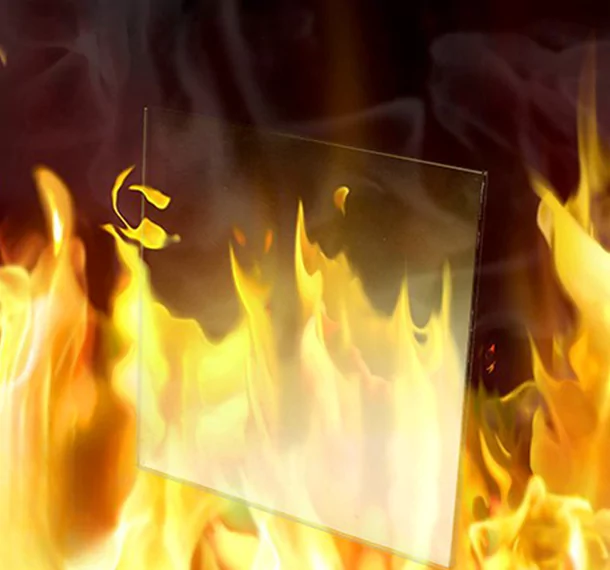
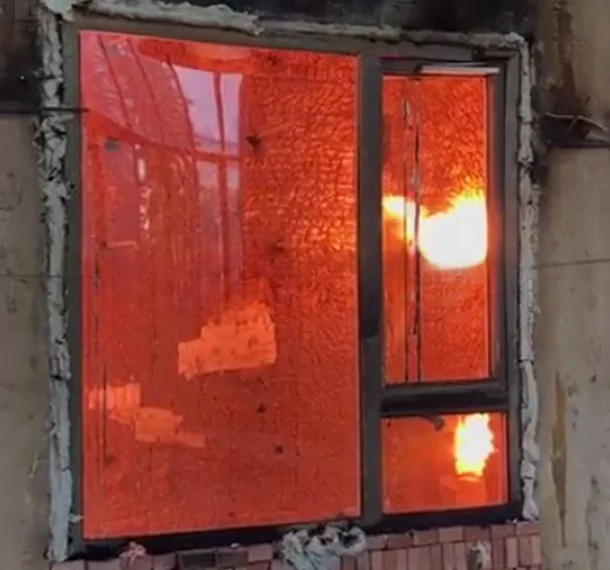
For Ansan’s demanding petrochemical complexes and manufacturing plants, selecting the correct fire rated glass grade is critical. Antifires offers both E-class (integrity only) and EI-class (integrity and insulation) fire rated glass systems. In environments where extreme thermal shock from a fire could occur, the glass structure must maintain its integrity to prevent the passage of flames and hot gases. For example, a 10mm FPOS glass, composed of a 3mm float glass + 4mm fire gel + 3mm float glass, can provide integrity for up to 135 minutes, though its insulation performance is limited. For applications requiring both flame and heat barrier, such as in control rooms adjacent to processing units, an EI-rated system is necessary. The 28mm EI60 panel, with its multi-layer structure of 6mm glass, intumescent gel, and additional glass layers, offers both integrity (66 min) and insulation (64 min). This performance is crucial for protecting personnel and sensitive equipment. Key parameters for selection include:
- Thickness & Structure: From 10mm to 54mm, depending on the required rating and thermal insulation needs.
- Framing Compatibility: Systems must be installed in G.M.S. hollow steel frames with fire-rated insulation boards and ceramic wool to ensure system integrity.
- Thermal Shock Resistance: Multi-layer laminated designs with intumescent gels are engineered to withstand rapid temperature changes without catastrophic failure.
This ensures stability and reliable performance under the most extreme conditions found in Ansan’s industrial landscape.
Engineering Fire Protection for Ansan’s Warehouses and Logistics Centers
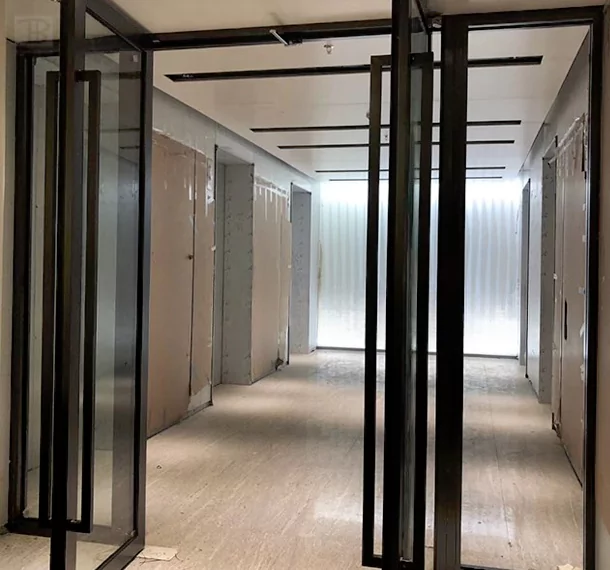
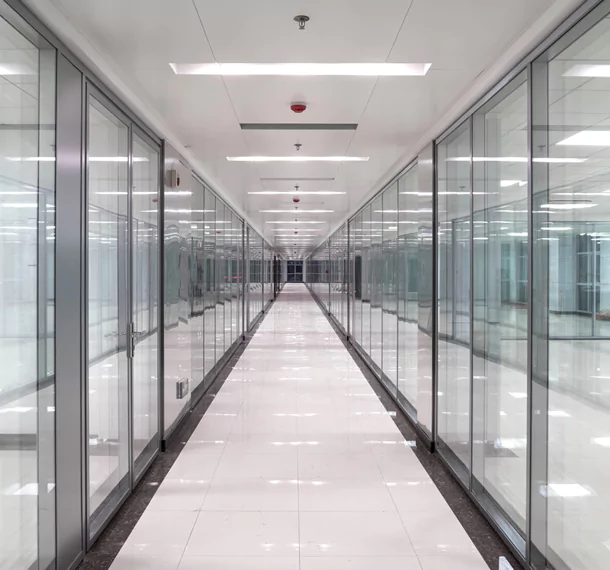
Ansan’s logistics hubs and large-scale warehouses present unique fire protection challenges, requiring solutions that do not obstruct workflow or material handling. Antifires provides fire rated glass and door systems that integrate seamlessly with existing steel structures while meeting local egress and smoke control requirements. In these high-occupancy spaces, fire-resistant partitions must allow for clear visibility and efficient movement of goods and personnel. The use of fire rated glass in these environments is particularly effective for creating compartmentation without sacrificing natural light or operational sightlines. For example, a 21mm FPOS glass system, offering 120 minutes of integrity and 30 minutes of insulation, can be used in large-format glazed partitions. These systems are typically installed in robust steel frames with intumescent seals and ceramic wool to maintain the fire barrier’s continuity. Key engineering considerations include:
- Egress Compliance: Doors and glazing must meet KBC 2023 requirements for exit access and travel distance.
- Smoke Control: Systems must be sealed to prevent smoke migration between fire compartments.
- Structural Integration: Glazed partitions are designed to be fixed to steel columns and beams using M6/M8 anchor bolts at 300-600mm spacing, accommodating building movement.
This approach ensures that fire safety is achieved without compromising the operational efficiency of Ansan’s critical logistics infrastructure.
Why Ansan Contractors Trust Antifires for Certified Fire Rated Systems
Antifires has established a strong reputation among Ansan contractors for delivering certified fire rated systems that meet the highest standards of reliability and compliance. The company holds KSF and KBC certifications, with proven installations in the Banwol and Sihwa industrial complexes. This local experience is invaluable, as it ensures that all products are specified and installed in full compliance with Korean regulations. Antifires provides comprehensive local technical support, from initial specification to final commissioning, helping contractors navigate the complexities of fire safety compliance. Key advantages for Ansan projects include:
- Certified Performance: All products are backed by official test reports from accredited laboratories, verifying ratings such as EI60 and EI120.
- Fast Delivery: Efficient logistics and customs clearance ensure that products arrive on site without delays, with typical lead times tailored to project schedules.
- Long-Term Durability: With a proven 10-year durability record, Antifires systems reduce long-term maintenance costs and project risk for Korean buyers.
By choosing Antifires, contractors in Ansan gain a reliable partner dedicated to providing high-performance, code-compliant fire protection solutions that stand the test of time.