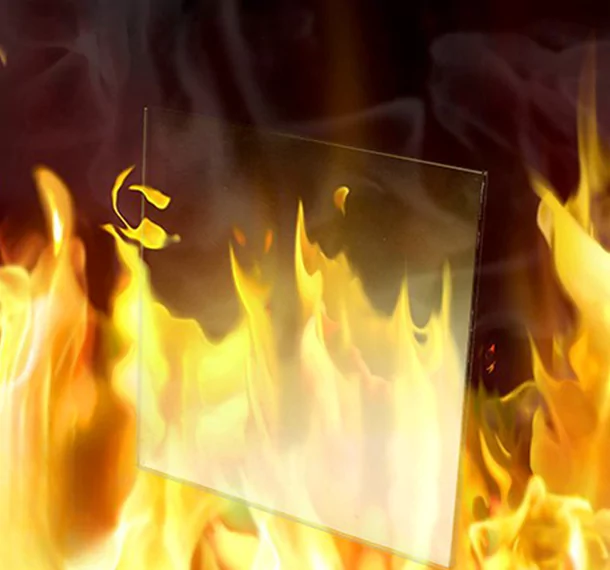
SINGLE LAYER FIRE-RATED GLASS
Learn more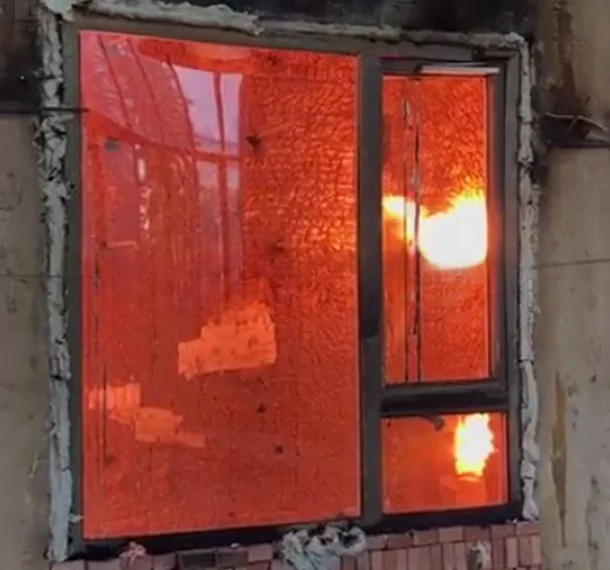
DOUBLE LAYERS FIRE-RATED GLASS
Learn more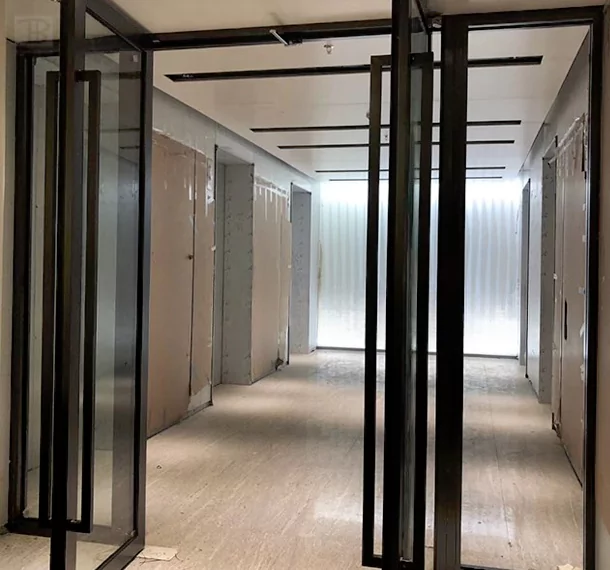
FIREPROOF GLAZING WINDOWS AND DOORS
Learn more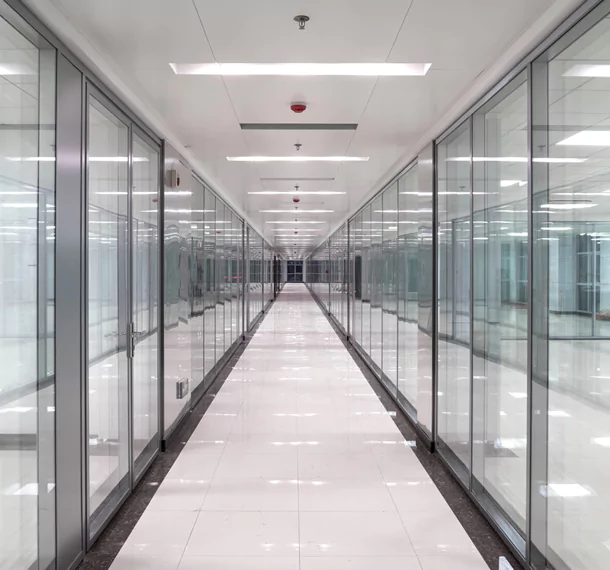
Fire rated glass plays a crucial role in contemporary architectural design, particularly within the european union, where stringent fire safety regulations are in place. among the various types of fire rated glass, high borosilicate glass stands out due to its remarkable properties and benefits for both aesthetics and safety in Croatia.
High borosilicate glass is renowned for its high softening temperature, which allows it to maintain structural integrity even when exposed to extreme heat. this characteristic enables the production of larger panes that remain self-supporting for extended durations during a fire. for architects and builders, this is particularly advantageous as it allows for expansive glazed areas—think large windows or curtain walls—without compromising on safety.
The ability to create visually impressive structures while adhering to stringent fire safety requirements offers architects a unique blend of aesthetic freedom and robust protection. large glass facades not only enhance natural light within spaces but also contribute significantly to the overall visual appeal of buildings. by using high borosilicate glass, designers can push the boundaries of modern architecture while ensuring that their creations are safe for occupants.
In addition to its functional benefits, fire rated glass must comply with legal standards set forth by the european construction products regulation (cpr). this regulation mandates that all fire-rated glass Croatia products placed on the eu market must have a declaration of performance (dop) and be ce marked in Croatia.
The declaration of performance is critical as it provides essential information about a product’s characteristics, including its classification regarding fire performance. fire performance classifications such as e (non-load bearing), ew (radiation control), and EI (insulation) define how long a product can withstand flames and heat without failing. this legal framework ensures that manufacturers take responsibility for their products' performance levels while providing specifiers and end-users access to reliable data necessary for informed decision-making.
By adhering strictly to cpr standards, manufacturers can assure clients that their products meet established safety benchmarks. this transparency fosters trust between consumers and producers while enhancing overall market reliability.
The application of high borosilicate glass extends beyond mere compliance; it opens up new avenues in architectural design where aesthetics meet functionality. for instance, many modern commercial buildings utilize expansive glass walls not only as design features but also as integral components in passive heating strategies—maximizing natural light reduces reliance on artificial lighting during daylight hours.
Residential projects increasingly incorporate large panes made from high borosilicate glass into their designs—a trend driven by homeowners' desire for open spaces filled with natural light while ensuring family safety during emergencies like fires. the combination of beauty and security makes this type of glass an attractive choice among builders looking to enhance property value without sacrificing structural integrity or occupant welfare.
High borosilicate glass represents an essential advancement in fire rated materials used in architecture today. its ability to support larger panes without compromising safety allows architects greater creative freedom while meeting rigorous eu regulations through compliance with cpr guidelines.
As we continue moving towards more innovative building designs requiring both aesthetic appeal and functionality—fire rated glass will undoubtedly play an increasingly important role in shaping our built environment safely yet beautifully.
Fill the form below to get in touch with us.
Protecting our homes, businesses and lives from fire hazards is of utmost importance in modern society. Fireproof glass serves as an integral element in this endeavor by offering crucial layers of defense against their devastating effects. Engineered to withstand intense intensity for an extended period of time, fire-rated glass Croatia acts as a protective barrier that slows fire's rapid spread allowing precious moments for evacuation or emergency response response plans to take effect.
Fire safety standards require the installation of fire-rated glass Croatia in key locations such as doorways, windows and partitions to safeguard occupants against the immediate risks posed by a fire.
Fire-proof glass provides more than basic protection; it also has many other valuable uses beyond basic firefighting, such as helping to contain smoke and limit damage by restricting ember spread and heat output.
Furthermore, its durability ensures it remains in tact even under significant force, providing a secure shield against structural failure.
Fire-rated glass plays a pivotal role in providing safe environments. By investing in this essential safety feature, we can mitigate fire risks effectively while providing essential protection.
Fire-Resistant Glass as an Essential Element for Fire Safety
Today, fire safety is of utmost importance. Protecting lives and belongings from its devastating effects requires a multifaceted strategy; one key element is fire resistant glass's unique ability to withstand high temperatures without shattering, providing a barrier against flames while contributing significantly to overall fire protection.
Fire resistant glass can help delay the rapid spread of fire by isolating it to one area, giving time for residents to evacuate safely and emergency responders to arrive on scene.
Fireproof glass inclusion in building designs should not simply be considered a necessity, but an informed choice that prioritizes people's wellbeing and safety within those spaces.
High-Performing Fire Protection Glass for Extreme Conditions: Outstanding Results
Fire protection glass is designed to withstand high temperatures, featuring special materials that help stop the spread of fire in an emergency situation. Installed strategically such as windows, doors and partitions in any building, fireproof glass provides invaluable safety for both people and property. With its reliable durability ensuring it remains functional under even adverse conditions - fireproof glass makes an excellent choice for critical applications such as windows, doors and partitions.
Applications: Fire protection glass can be found in commercial buildings, residential structures, industrial facilities and transportation sectors. Benefits of Fire Protection Glass (FPG)
Beyond fire resistance, FPG provides additional advantages like sound insulation, UV protection and enhanced transparency - providing additional advantages besides fire safety!
Anti-fire glass provides a critical safety measure against flames and heat hazards. Constructed to withstand extreme temperatures, anti-fire glass helps contain flames while limiting their spread - creating a protective layer around them which isolates heat, thus effectively stopping further combustion. With such properties in its arsenal, anti-fire glass is increasingly being utilized as part of fire-rated windows, doors, partitions to help mitigate potential risks to life or property from fire hazards.
Fire-resistant glass (commonly referred to as fireproof glass) is an essential material in safeguarding structures and individuals against the devastating effects of fire. This special material attains its impressive fireproof abilities via a combination of ingredients.
Fire-resistant glass typically comprises of ingredients such as silica, alumina and sodium borate to increase its ability to withstand high temperatures. These components are carefully chosen so as to optimize fire-resistance.
Second, manufacturing fire-resistant glass involves treatments that produce a dense and durable structure. These techniques include tempering or laminating that increase resistance against thermal shock and breakage.
Fire-resistant glass is often coated with protective layers that offer additional defense from heat and flames, acting like sponges to soak up any extra energy that enters through its surfaces, effectively decreasing how much heat is transmitted through it.
Fire-resistant glass is produced through complex processes to withstand extreme temperatures for extended periods, providing valuable time for evacuation and fire suppression efforts. Fireproofing glass plays an essential role in safeguarding lives, property, and buildings from fire damage.
Building Codes & Fire-Rated Glass Requirements
Construction projects must adhere to national building codes, which outline rigorous fire safety requirements - including using fireproof glass in designated locations as an effective barrier against flame spread, providing crucial time for evacuation and aiding firefighters in controlling incidents.
Fire-rated glass requirements vary significantly based on factors like facility height, occupancy levels and intended use. Consulting a qualified fire safety professional is recommended in order to comply with any relevant building codes when selecting fireproof glazing materials for your facility.
Proper installation of fireproof glass is as essential as selecting the appropriate type.
Select the Appropriate Fire Protection Glass for Your Needs
Fire safety should always be of primary concern in building structures, and selecting appropriate fireproof glass is one key aspect of this protection. Consider factors like intended usage of space, local building codes and the degree of fire resistance required when selecting your protective glass solution.
Fire-rated glass comes in various varieties, each offering their own specific advantages. Speak to an experienced professional in order to identify which option would be most appropriate for you and your individual requirements.
Research different glass types, assess fire resistance ratings, compare costs and benefits, understand local building regulations and understand any relevant building codes.
Safety Glass Applications: From Windows to Doors Fire-rated glass plays an essential part in providing buildings with increased fire protection by acting as an effective barrier against its spread. Thanks to its unique composition and construction, fireproof glass can withstand extreme temperatures without cracking under pressure - helping stop flames and heat quickly spreading across walls, floors or ceilings, and contributing substantially to increased fire resistance. This critical feature significantly contributes to overall fire resistance.
Fire-rated glass has numerous applications across a range of commercial structures such as office buildings and hospitals, to interior partitions in residential properties. Selection depends on factors like building height, occupancy levels and local regulations; each application calls for specific selection criteria to select suitable fireproof glass.
Fire-rated glass can be tailored with various features to enhance its functionality, such as visibility and decorative patterns or coatings for aesthetic purposes.
Fire-rated glass plays a pivotal role in protecting both lives and property by creating effective fire barriers within buildings.
Fire-Resistant Glass Product Testing and Certification
Ensuring structures are safe from fire is of utmost importance, with fireproof glass playing an instrumental role. To assess its efficacy, rigorous assessment protocols are employed that simulate real-life fire scenarios in which factors like spread are evaluated. Based on these results, products classified according to performance levels are classified accordingly - this accreditation process offers stakeholders assurance that these products meet stringent safety standards.
Certification processes often involve independent organizations conducting comprehensive evaluations. These organizations adhere to established industry norms, guaranteeing consistent and reliable testing methods.
Standardized test protocols typically measure fire endurance, heat transfer and visual clarity during a fire event. Accreditations labels provide essential details about a product's performance capabilities and compliance with any relevant standards.
Opting for fire-resistant glass that has been certified is key for meeting safety and compliance requirements.
Installation of Fire Protection Glass Fireproof glass provides many advantages to both homes and buildings. Primarily, it acts as an essential barrier against fire spread, giving you valuable seconds to escape in case of emergency. Constructed to withstand high temperatures without melting away under their influence, fireproof glass also helps limit smoke inhalation and creates a safer and more breathable atmosphere for residents and workers.
Selecting fire protection glass can enhance the value of your property by showing its reliability. Furthermore, fireproofing material often exceeds building codes and regulations and offers peace of mind for compliance and assurance of mind.
Improve Safety With Fire Resistant Glass Solutions
Today, safety is of utmost importance. Building codes mandate using fire resistant glass in various applications in order to minimize fire spread risk. These specialized panels operate to withstand extreme heat without transmitting flames or radiating heat rays - creating a safer environment and providing essential emergency protection in case of an incident.
Implementing fire resistant glass solutions in buildings can dramatically enhance safety standards. By serving as an essential barrier against flame propagation, these specialized glass solutions reduce risk and possibly save lives.
In the realm of fire-rated glass Croatia , several successful projects showcase the innovative use of this material in creating safe and aesthetically pleasing spaces. Let's delve into three notable projects where fire-rated glass Croatia was utilized as glass doors or walls, demonstrating its versatility and effectiveness in Croatia.
1. Project Name: XYZ Corporate Headquarters
- Description: The XYZ Corporate Headquarters integrated fire-rated glass walls throughout its office spaces, promoting transparency and natural light flow while ensuring safety standards were met.
- Effects: The use of fire-rated glass enhanced the modern aesthetic of the building, creating a sleek and open environment that fostered collaboration among employees.
2. Project Name: ABC Hotel Renovation
- Description: In the renovation of the ABC Hotel, fire-rated glass doors were installed in key areas such as conference rooms and common areas to compartmentalize spaces without compromising on design.
- Effects: The incorporation of fire-rated glass doors added a touch of elegance to the hotel's interiors while providing guests with a sense of security and peace of mind.
3. Project Name: DEF Healthcare Facility
- Description: At the DEF Healthcare Facility, fire-rated glass partitions were used to create separate treatment rooms within the medical center, ensuring privacy for patients without sacrificing safety measures.
- Effects: The implementation of fire-rated glass walls contributed to a calming and hygienic environment for both patients and healthcare providers, enhancing overall functionality and aesthetics.
These projects exemplify how fire-rated glass can be seamlessly integrated into various architectural designs to achieve both safety compliance and design excellence.
Our Location in Croatia:Ul. Frana Supila 14,Croatia,Croatia
KACA KEBAKARAN Jambi
KACA KADAR API Labuan
زجاج مقاوم للحريق مصراتة
FIRE-RATED GLASS Liberia
VIDRIO RESISTENTE AL FUEGO Teziutlan
YANGINA DAYANIKLI CAM Şırnak
VIDRO À PROVA DE FOGO Colatina
VIDRO À PROVA DE FOGO Bragança Paulista
