Fukuoka Fire Rated Glass Solutions: Certified for Japan's Strict Building Safety Codes

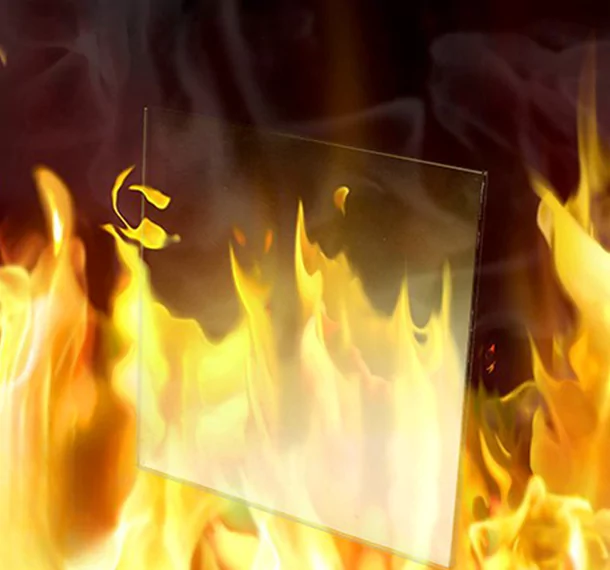
In the urban landscape of Fukuoka, where high-density commercial districts like Tenjin meet seismically active zones, the specification of fire-rated glazing is governed by a rigorous framework. Compliance with Japan’s Building Standard Law (Article 2) and the Fukuoka City Fire Prevention Ordinance is non-negotiable for egress routes, compartmentation, and smoke barriers. Antifires delivers certified fire rated glass solutions that meet these localized mandates, providing 30- to 60-minute fire-resistance ratings for stairwells, corridors, and partition walls. All assemblies are tested to international benchmarks such as BS 476 Part 22 and BS EN 1634-1, ensuring that performance data aligns with the Ministry of Land, Infrastructure, Transport and Tourism (MLIT) certification protocols. The integration of intumescent gel interlayers within the glass structure—such as the 10mm FPOS (3mm float + 4mm gel + 3mm float) or the 28mm EI60 panel (6mm + 5.5mm gel + 5mm + 5.5mm gel + 6mm)—provides both integrity (E) and insulation (I) to control flame spread and heat transfer. For Fukuoka’s mixed-use developments, these systems also support seismic joint integration, preventing structural gaps during ground motion. To further verify local compliance, architects should reference the MLIT official documentation for specific fire-resistance testing requirements in Japanese building codes.

Adapting to Fukuoka's Fire Safety Regulations Under Japan's Building Standard Law

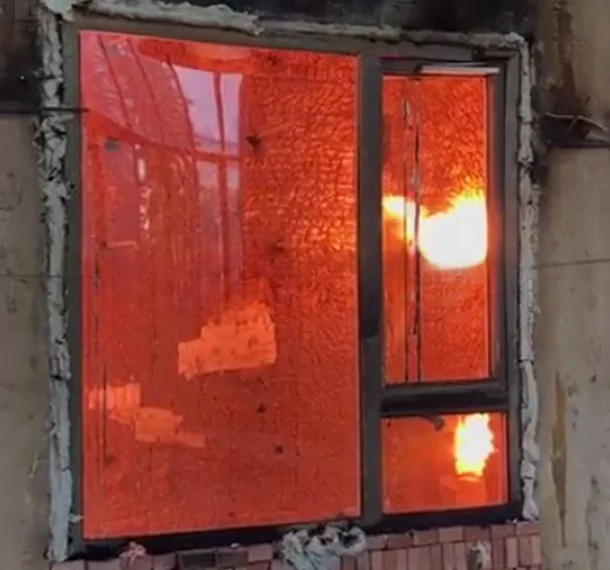
Fukuoka’s urban fabric, characterized by narrow streets in areas like Hakata Ward and high-rise clusters in Chuo Ward, demands fire-rated assemblies that address both fire safety and seismic resilience. Under Japan’s Building Standard Law, fire-rated glazing in egress routes must achieve at least a 30-minute integrity rating (E30), while compartment walls in high-density zones often require 60-minute integrity and insulation (EI60). Antifires products, such as the 26mm door glass (5mm + 5.5mm gel + 5mm + 5.5mm gel + 5mm), have demonstrated integrity of 89–90 minutes and insulation of 68 minutes in certified tests, exceeding these minimums. The assemblies are installed using G.M.S. hollow steel frames with 3mm–6mm ceramic wool (density 210 kg/m³) and 20mm × 4mm intumescent seals, which expand under heat to seal gaps. For seismic compliance, the systems incorporate expansion gaps of 3mm–5mm filled with ceramic fiber, allowing movement during an earthquake without compromising fire resistance. This design aligns with MLIT’s certification for seismic joint integration, ensuring that Fukuoka’s buildings maintain both life safety and structural integrity during dual hazard events.

Selecting Fire Rated Glass Grades for Fukuoka's Humidity and Thermal Conditions

Selecting the appropriate fire-rated glass grade for Fukuoka requires consideration of the region’s humid subtropical climate and thermal cycling. The 15mm FPOS multi-layer tempered glass with intumescent gel (integrity up to 132 minutes, insulation 33–34 minutes) is suitable for interior partitions where moderate insulation is needed, while the 21mm FPOS composite structure (integrity 120 minutes, insulation 30 minutes) offers enhanced thermal performance for exterior-adjacent glazing. For high-humidity environments in areas like Nakasu, the gel interlayers remain stable within ambient test temperatures of 27°C–36°C and relative humidity up to 90%, as verified during furnace tests. The 50mm/54mm ultra-high-performance glass (EI120) provides full insulation for 120 minutes, ideal for fire-rated doors and windows in commercial kitchens or boiler rooms. When integrating with seismic joint systems, the glass must be paired with 12mm–15mm fire-rated insulation boards and M6/M8 anchor bolts spaced 300–600mm apart to accommodate structural movement. Table 1 summarizes key grades and their suitability for Fukuoka’s conditions:

Glass TypeIntegrity (min)Insulation (min)Recommended Application
10mm FPOS13516Interior partitions with limited insulation needs
15mm FPOS13233–34Corridors and stairwells in humid zones
28mm EI606664Seismic-compliant door sets
50mm EI120120120High-rise compartment walls

Fire Protection Demands for Fukuoka's Mixed-Use Developments and Historical Districts

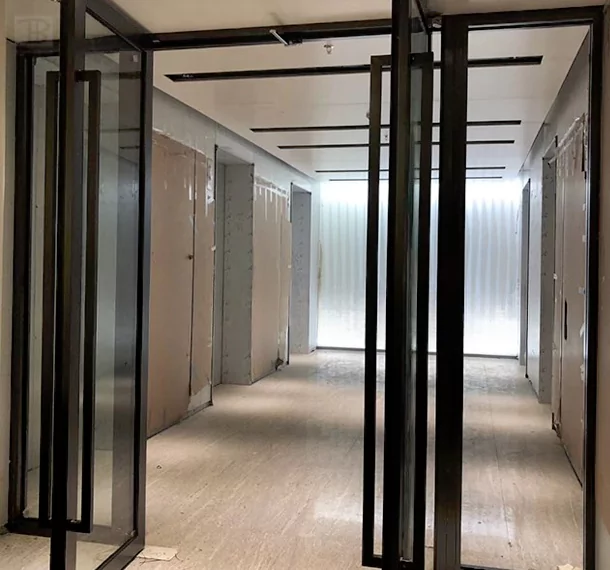
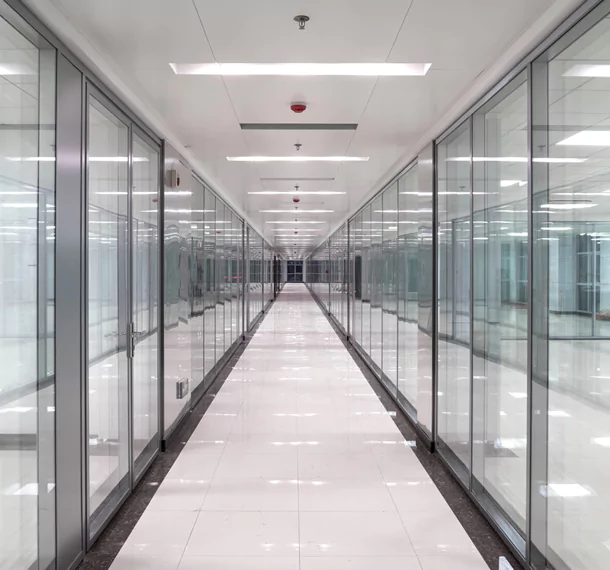
Fukuoka’s mixed-use developments in Tenjin and Nakasu present unique fire protection challenges, particularly for atrium smoke barriers and exit corridors. The Building Standard Law mandates that egress routes maintain a minimum width of 1.1 meters, which Antifires frameless glass partitions and steel-framed fire doors accommodate without obstructing sightlines. For atrium smoke barriers, the 8mm glass system (integrity 73 minutes) or 6mm E90 glass (integrity 90 minutes) can be installed in steel frames with ceramic tape to prevent smoke leakage. In historical districts like the Kushida Shrine area, where preserving architectural aesthetics is critical, Antifires offers glass blocks and glass bricks that provide 60-minute integrity while maintaining traditional visual appeal. These systems are tested under BS EN 1364-1 for non-loadbearing walls, ensuring that maximum deflection (38mm–152mm toward the furnace) does not compromise structural stability. For exit corridors, the 26mm door glass (integrity 89–90 minutes, insulation 68 minutes) supports EW120 radiation control, limiting radiant heat to safe levels for occupant evacuation.

Why Fukuoka Architects and Developers Trust Antifires for Fire-Rated Assemblies

Fukuoka architects and developers choose Antifires for verified compliance and streamlined permitting. All products come with MLIT-registered test reports based on BS 476 Part 22 and BS EN 1634-1:2008, which are accepted by the Fukuoka City Building Inspection Office. The technical team provides on-site support for seismic anchoring, ensuring that M6/M8 bolts are installed at correct spacing and that intumescent seals are properly fitted in expansion gaps. Each assembly carries a 10-year warranty covering glass integrity and frame performance, backed by documented test data from furnace tests using Type K thermocouples (9–12 channels) and 10–55 thermocouples on unexposed surfaces. For projects requiring 120-minute fire rated glass with integrity and insulation, the 50mm EI120 system provides certified performance. This comprehensive documentation accelerates Fukuoka’s building permit approvals, reducing project delays. Antifires also offers customized framing solutions for historical districts, using G.M.S. steel sections that match existing architectural profiles while meeting fire-resistance standards.

REQUEST A QUOTE

Need Fire-Rated Glass Solutions?
Get a Factory Direct Quote & Certifications in 12 Hours.

click

Frequently Asked Questions (FAQ)

For office stairwells in Fukuoka, Japan’s Building Standard Law (Article 2) typically requires a 30-minute fire-resistance rating for egress routes, though this can increase to 60 minutes in high-rise buildings or those with specific occupancy classifications as determined by the Fukuoka City Fire Prevention Ordinance. The rating must be verified through tests like BS 476 Part 22 or BS EN 1634-1, which assess integrity (E) against flame penetration and sustained flaming. Antifires 60-minute fire rated glass systems, such as the 10mm FPOS (integrity 135 minutes), exceed these requirements, providing a safety margin for stairwell applications. The specific rating should be confirmed with the local building authority based on the building’s height, floor area, and occupant load.

Yes, Antifires provides fire-rated glass and door assemblies that are tested for both fire exposure and seismic movement, aligning with MLIT certification protocols. Products like the 28mm EI60 panel (integrity 66 minutes, insulation 64 minutes) are installed with 3mm–5mm expansion gaps filled with ceramic fiber, allowing structural movement during an earthquake without compromising fire resistance. The G.M.S. hollow steel frames are anchored with M6/M8 bolts at 300–600mm spacing, and intumescent seals (20mm × 4mm) expand under heat to seal gaps caused by seismic displacement. These features ensure compliance with Fukuoka’s seismic joint integration requirements, as documented in the test reports for BS 476 Part 22.

Antifires helps Fukuoka projects pass local fire inspections by providing MLIT-registered test reports and compliance documentation for all fire-rated assemblies. The technical team offers on-site support for proper installation of ceramic wool (3mm–6mm, density 210 kg/m³) in frames and intumescent seals in expansion gaps, ensuring that the system performs as certified under BS EN 1634-1. For inspection readiness, Antifires provides a checklist covering anchor bolt spacing (300–600mm), sealant integrity, and glass alignment. All products carry a 10-year warranty, and the documentation includes furnace test data (e.g., Type K thermocouple readings and deflection measurements) to demonstrate compliance with Fukuoka City Fire Prevention Ordinance requirements.