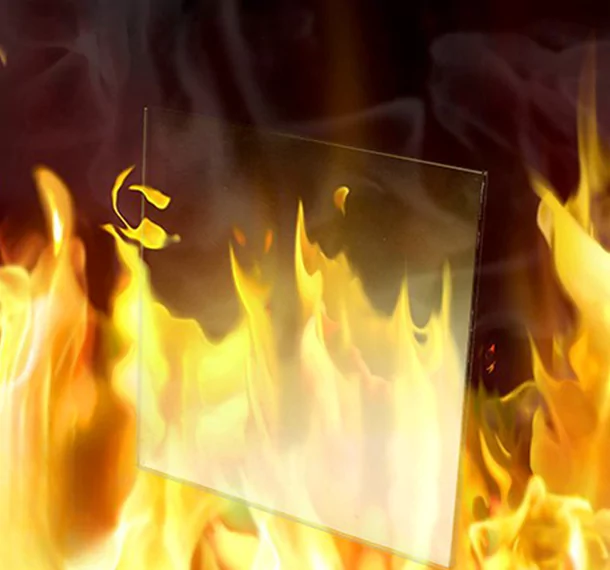
SINGLE LAYER FIRE-RATED GLASS
Learn more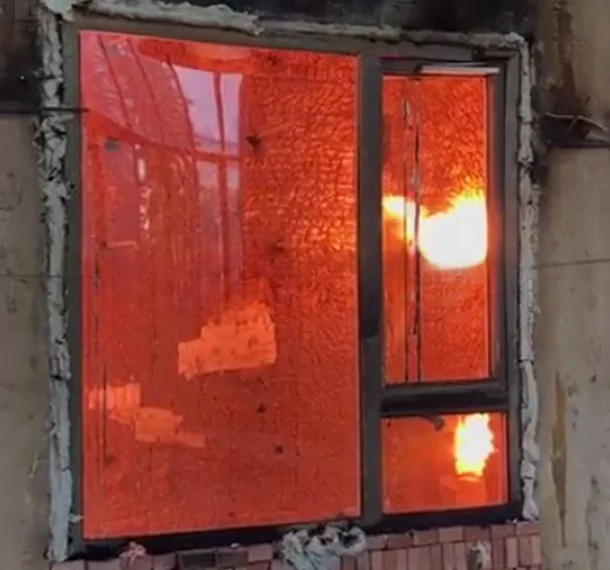
DOUBLE LAYERS FIRE-RATED GLASS
Learn more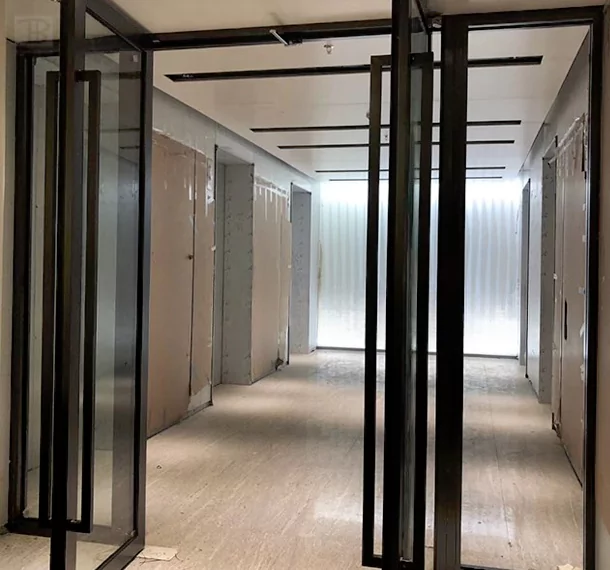
FIREPROOF GLAZING WINDOWS AND DOORS
Learn more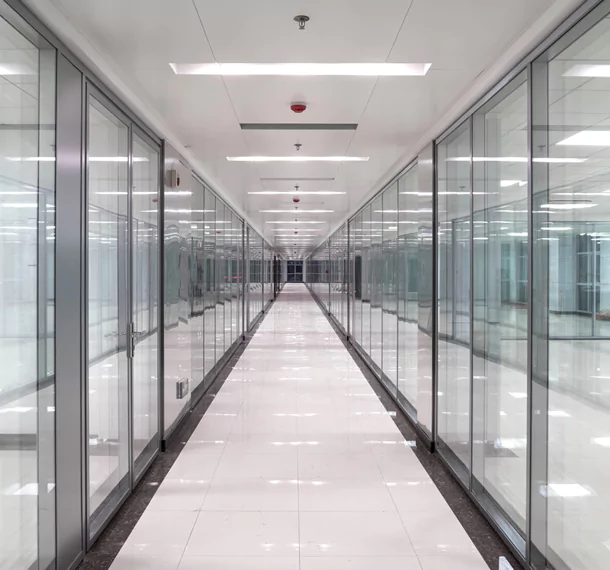
In malaysia, the importance of fire-rated glass Kuala Lumpur cannot be overstated. as urban development continues to rise, ensuring safety within buildings has become a paramount concern for architects, builders, and regulatory bodies alike. fire-rated glass Kuala Lumpur serves as a critical component in enhancing fire safety measures in various structures across the nation in Kuala Lumpur.
Descriptions of fire-rated glass in malaysia
Fire-rated glass is specifically designed to withstand high temperatures and prevent the spread of flames and smoke during a fire incident. unlike regular glass, which can shatter under extreme heat, fire-rated glass is engineered to maintain its structural integrity for a specified duration. this durability is essential in safeguarding occupants by providing them with crucial time to evacuate while minimizing property damage.
In malaysia, various types of fire-rated glazing products are available on the market, including tempered glass and laminated glass options that meet specific fire resistance levels (frls). these products are categorized based on their ability to resist heat transfer and prevent flame passage. the selection of appropriate fire-rated glazing depends largely on the intended application—whether it’s for windows within commercial buildings or doors leading into critical areas such as stairwells or exit routes in Kuala Lumpur.
The adoption of fire-rated glass Kuala Lumpur is not just about compliance; it reflects a commitment to creating safer environments. by integrating these materials into building designs, developers can enhance both aesthetic appeal and functional safety features without compromising on style or design integrity.
Uniform building by-laws (ubbl) 1984 and fire safety glazing
Malaysia's uniform building by-laws (ubbl) 1984 serve as the cornerstone for building regulations across the country. within this framework lies part ix, which explicitly addresses miscellaneous fire safety requirements essential for modern construction practices. among these regulations is the mandate for incorporating fire-resistant glazing into various openings—such as windows and doors—within designated fire-resistant walls, floors, or ceilings.
By-law 168 specifically outlines necessary measures designed to protect these openings from potential hazards posed by fires and smoke infiltration. it emphasizes that all elements within a building must contribute toward an overarching strategy aimed at protecting lives and property during emergencies. the ubbl requires designers to consider every facet of a building's architecture—from escape routes to service protection—ensuring that they work cohesively toward an effective fire safety plan.
Fire-rated glass plays an instrumental role in fulfilling these legal obligations by acting as both a barrier against flames and an integral part of emergency egress strategies. its presence not only helps comply with regulatory standards but also enhances overall occupant confidence regarding their safety within any given structure.
Fire resistance levels (frls) in malaysian building safety
Understanding fire resistance levels (frls) is fundamental when discussing building safety standards in malaysia. an frl defines how long certain elements within a structure can endure exposure to flames before failing—a critical measure when considering life-saving strategies during emergencies.
For glazed components like windows made from fire-rated materials, frls are assessed through rigorous testing processes that determine their performance against three key criteria: structural adequacy (the ability to support loads), integrity (preventing flame passage), and insulation (limiting heat transfer). these ratings are often derived from internationally recognized testing standards such as bs 476 or en 1363—a testament not only to local compliance but also adherence to global best practices.
The significance of frls extends beyond mere numbers; they embody proactive measures taken by builders aimed at safeguarding individuals inside buildings during fires while simultaneously upholding property values through effective risk management strategies. ensuring that glazed elements meet specified frl requirements contributes substantially towards passive fire protection efforts throughout malaysia’s diverse architectural landscape.
Integrating high-quality fire-rated glass Kuala Lumpur into building designs aligns closely with national regulations set forth by ubbl while addressing contemporary needs related directly back toward public health concerns surrounding fires incidents today—and tomorrow alike! as we look forward towards future developments across our cities’ skylines remain committed towards prioritizing life-safety considerations through thoughtful design choices involving innovative materials like those found within this category!
Fill the form below to get in touch with us.
Fire-rated glass plays a critical role in building safety, protecting against flames, smoke, radiant and convective heat sources. Fire-rated glass offers additional benefits beyond its primary function of fire prevention, including architectural design and security applications.
1. Fire-rated glass provides aesthetic appeal while simultaneously meeting safety regulations, allowing natural light to fill spaces while maintaining its modern aesthetic. This allows architects and designers the freedom to incorporate transparency into their designs without compromising safety
2. Daylighting: Integrating fire-rated glass Kuala Lumpur into building construction enables natural daylight to penetrate deeper into interior spaces, cutting down on artificial lighting needs and creating a more inviting and productive environment for occupants
3. Enhance Security: In addition to meeting fire safety regulations, fireproof glass can also meet security demands by acting as a deterrent against intrusion or forced entry. Integrating fire-rated glass Kuala Lumpur into architectural projects not only ensures compliance with safety standards, but also enhances their functionality and aesthetic appeal.
Fire-rated glass serves an essential role in mitigating fire incidents by restricting flames, smoke and radiant/convective heat from spreading further. Fire-rated glass's ability to contain potentially life-threatening elements is invaluable in emergency situations and crucial for protecting building occupants from harm. Beyond its primary function, however, fireproof glass also brings many other advantages. First and foremost, curtains contribute to the aesthetic appeal of a room by allowing natural light to pass through safely while upholding safety standards. Fire-rated glass meets both daylighting and security demands by providing a transparent barrier that still offers protection from fire-related risks. Fire-rated glass provides an ideal combination of safety and visibility, making it suitable for applications where both security and aesthetic considerations are equally important. Furthermore, its ability to withstand high temperatures while stopping flames from spreading makes it a vital component in meeting stringent security requirements for various structures.
Fire-rated glass is a crucial element in building design, ensuring safety without compromising aesthetics. Let's delve into three successful projects where fire-rated glass Kuala Lumpur was utilized as glass doors or glass walls:
1. Project Name: Skyline Offices Tower_
- Effects: By incorporating fire-rated glass Kuala Lumpur walls in the common areas, natural light was maximized while maintaining safety standards. This led to a modern and open workspace environment in Kuala Lumpur.
2. Project Name: Zenith Hotel Lobby Renovation_
- Effects: Fire-rated glass doors were installed to separate the lobby from the restaurant area, providing both fire protection and visual continuity. This added a touch of elegance while ensuring safety compliance.
3. Project Name: Innovate Tech Campus Expansion_
- Effects: Utilizing fire-rated glass partitions in meeting rooms enhanced the overall design aesthetic while meeting stringent fire safety regulations. The transparency of the partitions promoted collaboration and an open work culture.
These projects showcase how fire-rated glass can be seamlessly integrated into architectural designs, combining functionality with style for safe and visually appealing spaces.
Our Location in Malaysia:Pangkor Laut,Kuala Lumpur,Malaysia
VIDRIO RESISTENTE AL FUEGO Las Margaritas
FIRE-RATED GLASS Blackburn with Darwen
FIRE-RATED GLASS Belgium
FEUERBESTÄNDIGES GLAS Bremen
VERRE COUPE-FEU Paris
FIRE-RATED GLASS West Bengal
زجاج مقاوم للحريق طنطا
VIDRO À PROVA DE FOGO Quilengues
